

Read the full article here.
Asia’s subsea landscape is dramatically shifting. Once dominated by offshore oil and gas extraction, these networks are now being adapted to support electrification, linking renewable energy sources, such as offshore wind, to national and regional power grids, signaling not only technological advancement but also a far-reaching economic and environmental shift across Asia.
Subsea cables are evolving from technical tools into key assets in Asia’s energy transition. They transmit electricity over long distances, enabling cross-border trade and grid integration. This is essential for achieving the regional target of 45% renewable energy capacity by 2030. By linking countries, these systems allow surplus renewable power from one location to be exported to other locations, boosting efficiency and resilience.
This signals a transition from isolated extraction networks to interconnected energy ecosystems. Unlike stationary oil and gas infrastructure, subsea power cables offer adaptability, diversify energy sources, and reduce vulnerability to geopolitical or environmental disruptions.
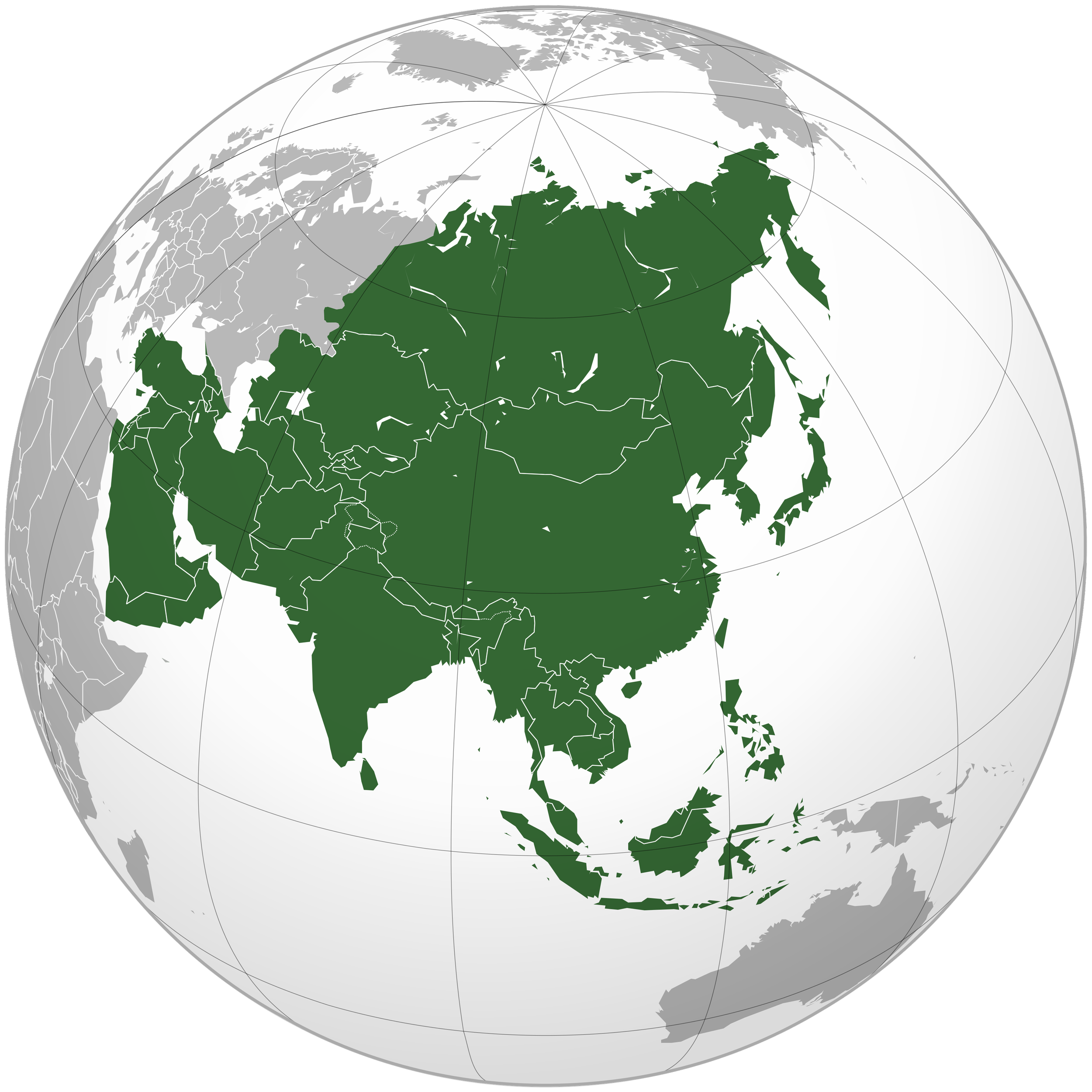
Source: Wikipedia
_without_New_Guinea.svg)