

Read the full article here.
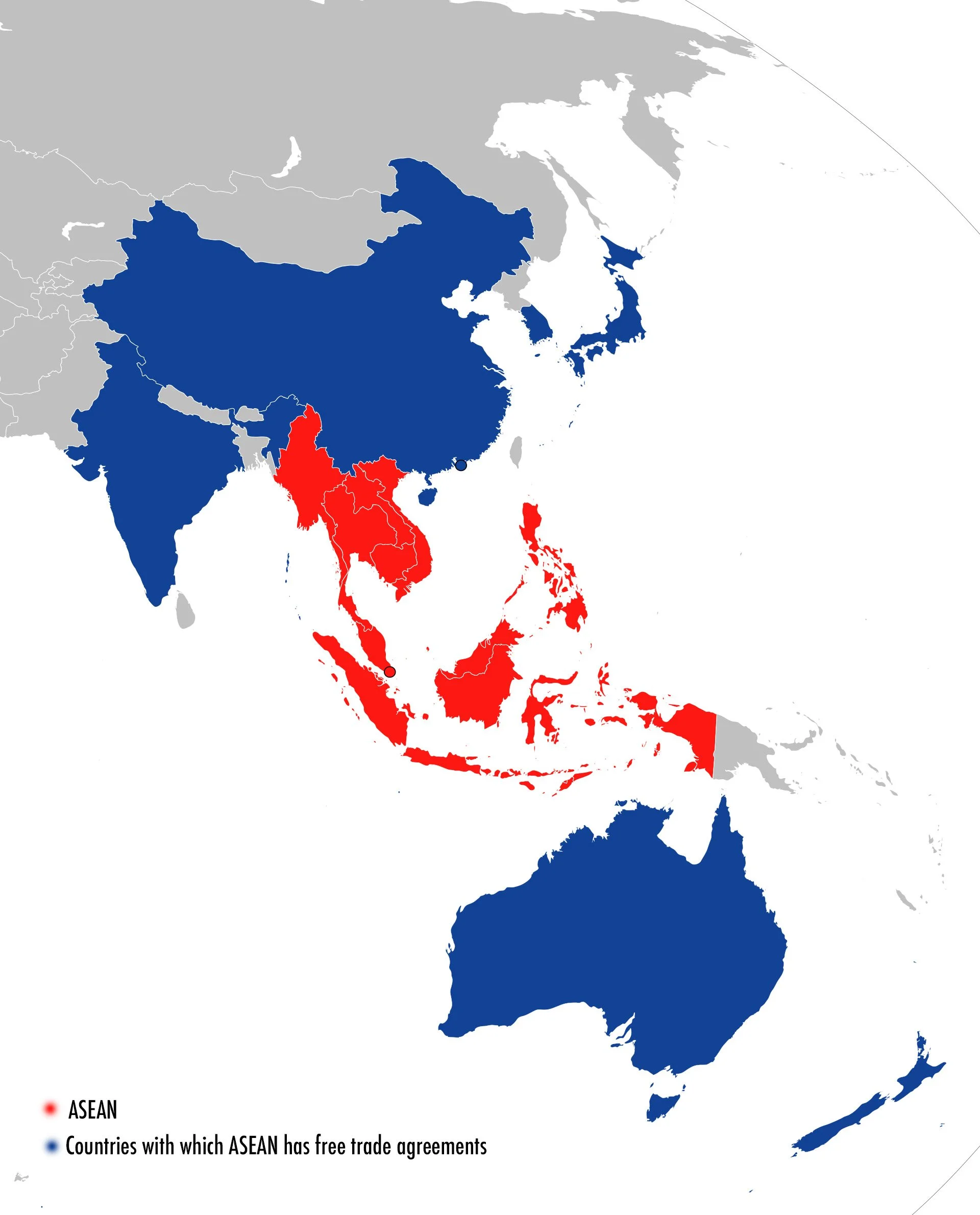
The ASEAN Power Grid (APG) has gained measurable institutional traction — yet BMI’s March 2026 research note cautions that formal progress does not equate to operational readiness. In October 2025, ASEAN energy ministers formally endorsed the Terms of Reference (ToR) for the ASEAN Submarine Power Cable Development Framework, a foundational document intended to standardize technical, regulatory, and contractual norms for subsea interconnections. This milestone designated the ASEAN Center for Energy (ACE) as the regional coordinator — a role critical for harmonizing cross-border grid planning. However, BMI stresses that ACE operates without binding enforcement authority; its influence rests entirely on voluntary cooperation among ten sovereign members with divergent energy priorities, fiscal capacities, and regulatory maturity. The framework is slated for completion during the 2026 Philippines Chairmanship of ASEAN — a timeline BMI explicitly labels “fairly ambitious.”
Understanding APG’s trajectory requires mapping the asymmetric capabilities and incentives of its key stakeholders. The Asian Development Bank (ADB), while institutionally central, brings limited financial firepower relative to need: its $10 billion commitment covers less than 10% of the estimated $100 billion transmission requirement. Its role is therefore catalytic — de-risking first-of-a-kind projects, providing technical assistance, and convening parties — not capital-intensive deployment.
Source: Wikipedia
