

Read the full article here.
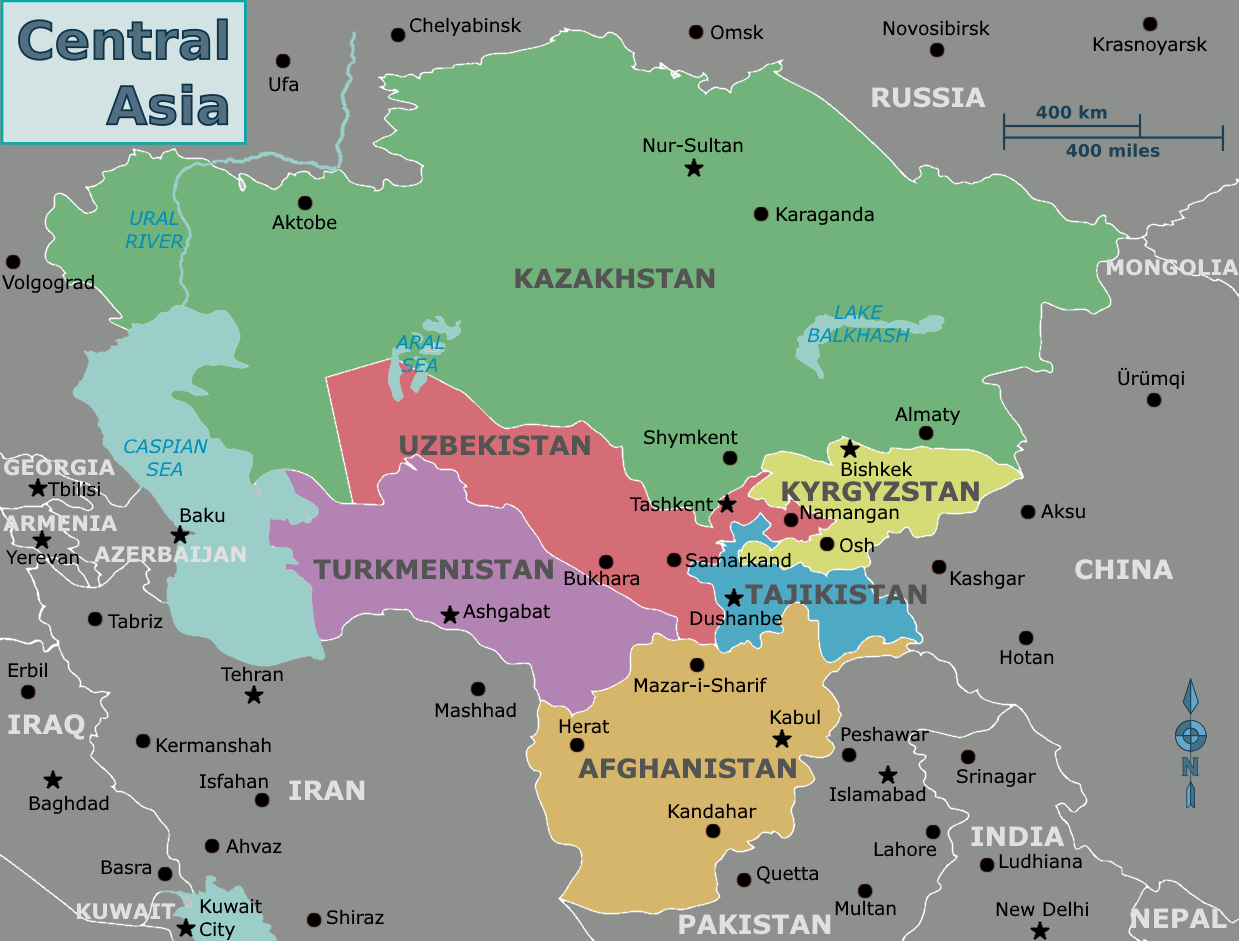
The establishment of a common electricity market in Central Asia is becoming one of the region’s most significant economic cooperation projects. The international tender announced in November 2026 for a pilot trading platform involving Kazakhstan, Kyrgyzstan, Uzbekistan and Tajikistan signals a gradual transition from bilateral agreements towards institutionalised electricity trading.
The central question, however, is not simply technical implementation but the distribution of economic benefits. Differences in generation structures, tariff policies and industrial growth imply different consequences for each country.
According to the World Bank, cross-border electricity trade accounts for approximately 3% of regional demand, while demand could triple by 2050. The ten-year REMIT programme envisages indicative financing exceeding USD 1 billion and annual electricity trade reaching 15 billion kWh.
Countries currently have to maintain their own reserve capacity to meet peak demand. Regional coordination could partially redistribute this burden. Instead of building additional power stations solely to cover short-term shortages, countries could purchase available electricity from neighbouring markets.
The principal benefit may therefore be lower aggregate energy security costs rather than higher export revenues alone. Realising this potential requires grid expansion and coordinated generation development.
Source: Wikipedia