

Across Asia, countries are investing more aggressively in renewable energy, cross-border connectivity and resilient supply arrangements. China, in particular, has played an important role in scaling renewable energy technologies, infrastructure financing and regional connectivity initiatives that are helping many developing economies strengthen long-term energy and logistics resilience.
Energy disruption, trade fragmentation and technological rivalry are reshaping the global economic order, and Asia stands at the center not only of the challenge, but also of the response.
For a garment worker in Dhaka, a bus driver in Lahore, or a migrant worker in Manila, geopolitics does not arrive as theory. It arrives as a higher bus fare, a more expensive bag of flour, a delayed remittance, or a cancelled factory shift. Across Asia and the wider Global South, governments, businesses and communities are searching for new ways to build resilience, deepen cooperation and protect development gains in an increasingly uncertain world.
The present moment therefore cannot be understood only through the language of rivalry or confrontation. The world economy is simultaneously undergoing three major transitions: energy disruption, trade fragmentation and technological competition. Individually, each carries significant economic consequences. Together, they are reshaping how countries trade, produce, cooperate and govern.
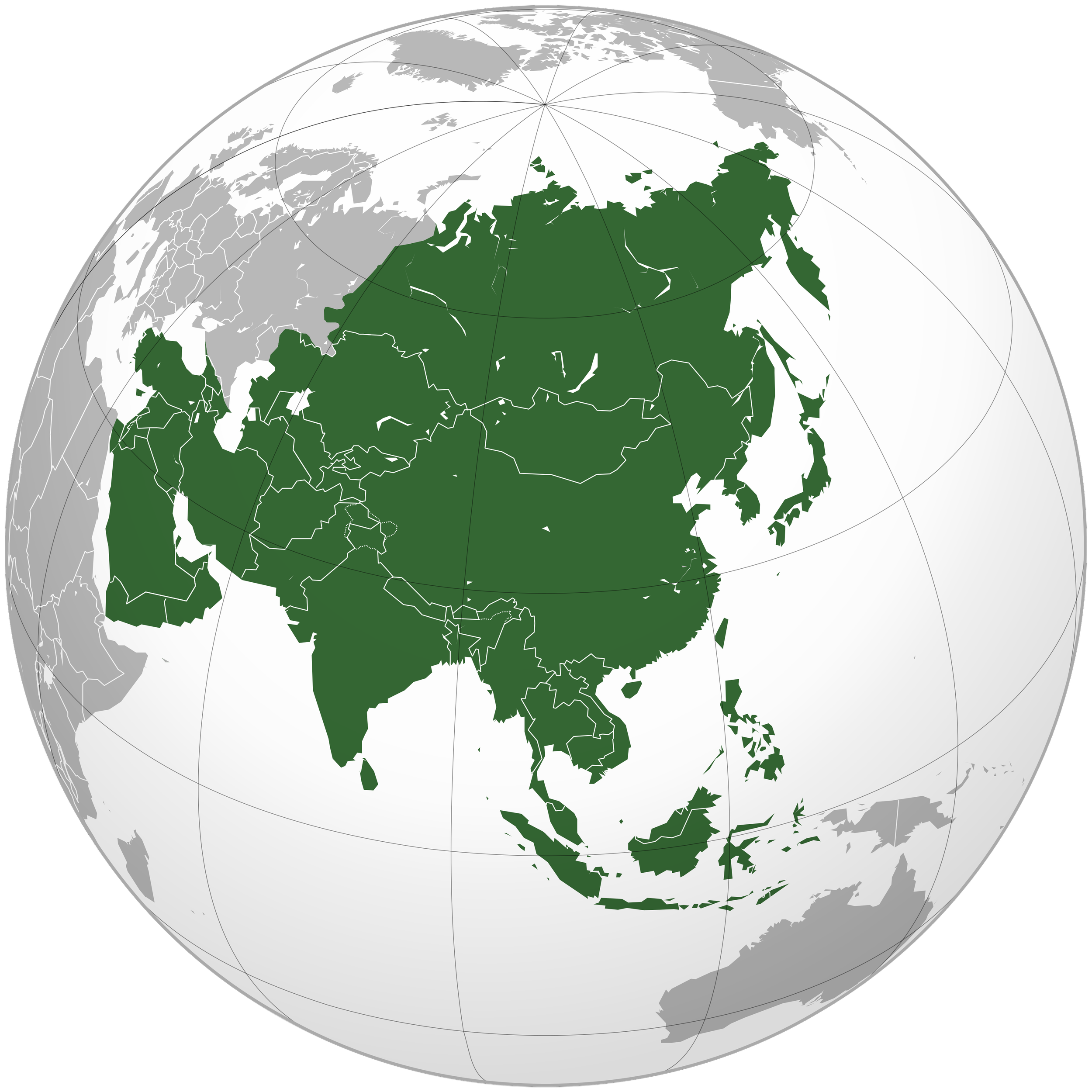
Source: Wikipedia