

Read the full article here.
Egypt and Ethiopia are not destined by geography to be adversaries. Rather, they are natural partners in the responsibility of shaping a more stable and prosperous future for the Nile Basin, the Red Sea, and the African continent as a whole. The state that will exercise the greatest influence in this future will not be the one that seeks to impose its will on others, but the one capable of transforming geography into a platform for integration, development, and connectivity among resources, energy, trade, and strategic corridors.
A comprehensive vision for Nile Basin development—incorporating road and railway connectivity, power interconnections, and regional infrastructure networks—provides the most effective framework for addressing the developmental challenges facing Basin states while fostering stability and mutual understanding among them. Consequently, the concept of strategic interdependence between water security and Red Sea maritime security offers the most appropriate framework for understanding future challenges and constructing a regional sphere of cooperation serving all Nile Basin states.
The challenge facing the region today is therefore not determining which state is advancing and which is declining. Rather, it is the construction of a new regional architecture linking water security in the Nile Basin, maritime security in the Red Sea, energy networks, trade corridors, cross-border investments, and transportation infrastructure. Together, these elements will shape the foundations of the emerging regional order in East Africa and the Horn of Africa over the coming decades.
Over recent years, Egypt has advanced a sophisticated vision centered on the nexus linking water, energy, trade, and food security. This approach has resonated with a number of African leaders, including President Yoweri Museveni of Uganda, who, during his joint press conference with President El-Sisi in Cairo several months ago, called for moving beyond traditional disputes and purely legal or political arguments toward a broader and more enlightened conversation focused on leveraging natural resources to build systems of shared interests and mutual development in the fields of investment, trade, and energy. Within such a framework, water resources become one field of cooperation rather than the sole framework governing relations.
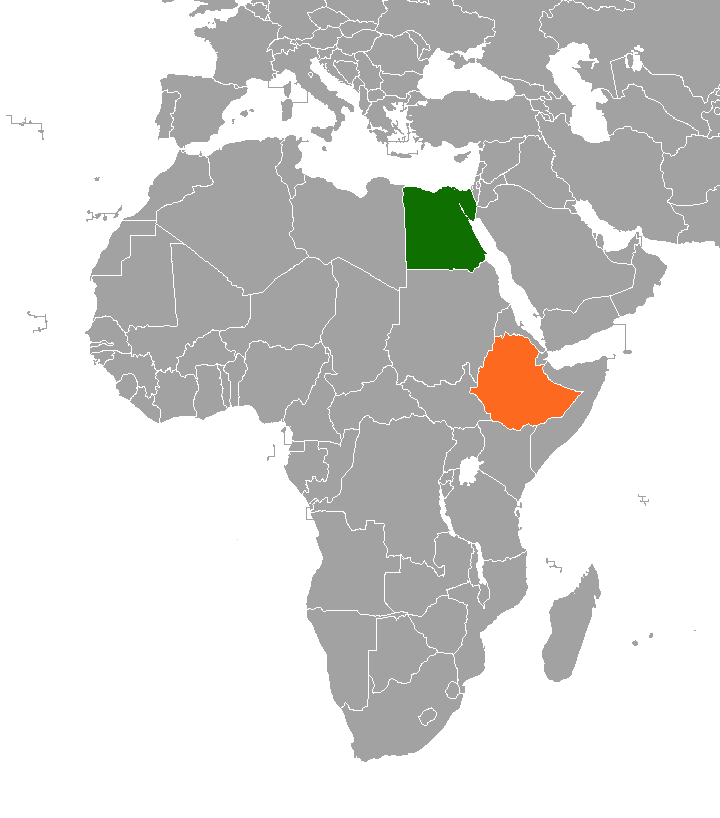
Source: Wikipedia