

Electricity is now a matter of national security
Read the full article here.
The Strait of Hormuz crisis has underscored the profound structural vulnerabilities of the global hydrocarbon system.
With about 25 per cent of global seaborne oil supplies, and a significant share of liquefied natural gas (LNG) exports, in effect trapped in the Gulf, the world has been navigating one of the most severe energy supply shocks in history — one that has triggered sharp price increases and heightened the risk of a broader economic downturn.
With many countries and regions moving to minimise their dependence on oil and gas imports, the focus on homegrown renewables and electricity grids is intensifying.
However, while a transition to clean energy production and consumption can help to reduce the geopolitical exposure associated with hydrocarbons, it introduces a new set of challenges that must be managed so the opportunities far outweigh them.
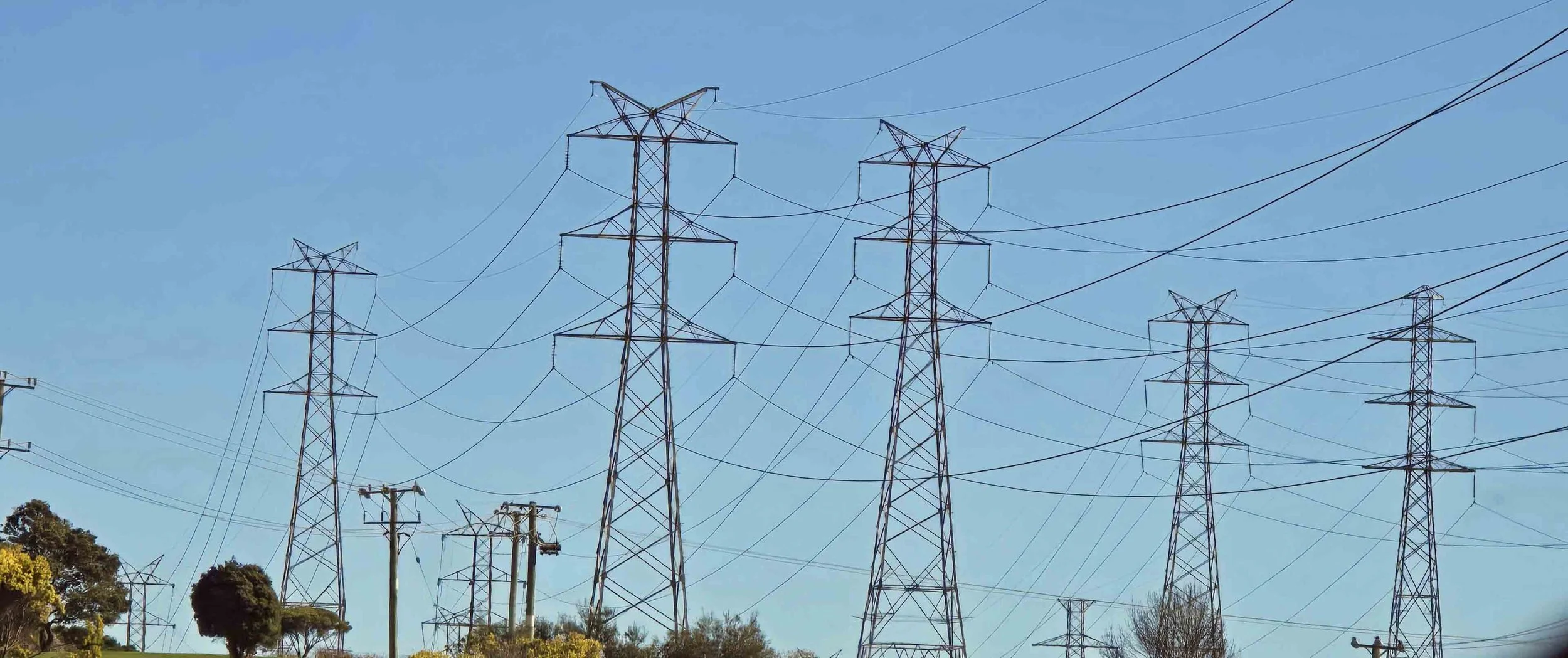
As electricity becomes the backbone of both the economy and society, it is also the new front line of energy security. And at the centre of this frontline sits the power grid. Because electricity — unlike fossil fuels such as gas or oil — cannot yet be stored or redirected at scale, the demand and supply of electricity need to be balanced in real time.
The power grid must integrate increasingly variable energy sources while delivering electricity where it is needed. A disruption at any point in the value chain — from generation, transmission and distribution to consumption — can trigger a power failure, potentially leading to an immediate, economy‐wide shock.
That is why electricity is no longer just an energy issue; it’s a national security issue.
Source: Wikipedia