

Energy Integration in Central Asia
Read the full article here.
The President of the Asian Development Bank, Masato Kanda, has urged all Asian countries to interconnect their energy systems more actively and to develop cross-border electricity trade, emphasising that no country can tackle energy security issues on its own.
This appeal is particularly relevant for Central Asia; the region already had a shared energy network, known as the “Central Asian Power Ring”. Today, this idea is being revived, and Tajikistan is also gradually reconnecting to the unified energy network.
Kanda spoke about the need for interconnection at the 2026 Asian Clean Energy Forum in Manila, emphasising that delays could lead to higher energy prices, slower economic growth and a loss of opportunities for millions of people.
Against this backdrop, the Bank is promoting the Pan-Asian Energy Grid Initiative (PAGI). Its aim is to connect national and regional energy systems, and to move from independent inter-state projects towards more coordinated electricity trade. PAGI is expected to raise billion by 2035; the initiative aims to connect 22,000 kilometres of transmission lines, integrate 20 GW of renewable energy, reduce emissions in the energy sector and create hundreds of thousands of jobs.
The idea of interconnecting energy systems in Central Asia is not new, as energy expert Khamidžon Arifov points out: even during the Soviet era, the region had a unified energy system linking Kazakhstan, Kyrgyzstan, Tajikistan, Turkmenistan and Uzbekistan.
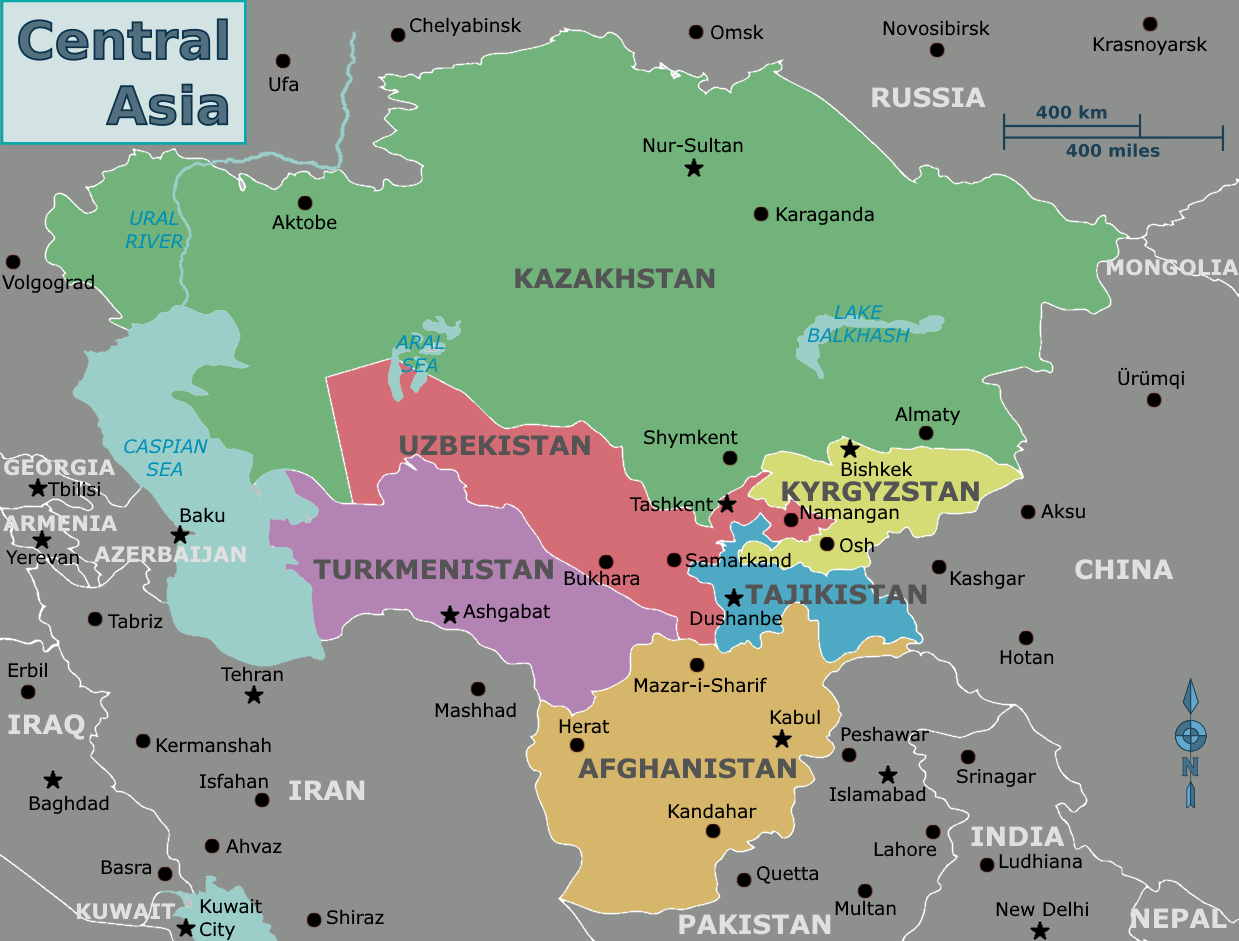
Source: Wikipedia