

Read the full article here.
The electricity plan records postponements until 2028 and 2030 for two projects in the Romanian grid and includes priority links with the Republic of Moldova and Ukraine. The states support investments and market-integration measures to limit price differences, within a framework of cooperation extended to Czechia and Poland.
Energy ministers meeting in Zagreb on November 6, 2026, called for the expedited completion of delayed electricity interconnectors in Central and South-Eastern Europe and more efficient use of existing grids, in order to limit persistent price differences between Europe’s regions. The plans supported by participants also include strengthening internal grids, with important projects for Romania and for the energy security of the Republic of Moldova and Ukraine. Regional cooperation is expanding to Czechia and Poland.
Ministers are calling for the completion of the remaining sections of three regional electricity corridors, which have experienced significant delays. The objective is better interconnection in a region affected by persistent price differences.
At the November 6 meeting, the Central and South-Eastern Europe Energy Connectivity group, CESEC, approved two updated action plans, one for electricity and renewable sources and the other for gas. The conclusions identify significant delays in the remaining sections of the Black Sea Corridor, the Mid-Continental East Corridor, and the Trans-Balkan Electricity Corridor. The first concerns strengthening interconnection between Bulgaria and Romania, including works within the Romanian grid. Ministers are calling for closer coordination and solutions to authorization issues that may delay projects.
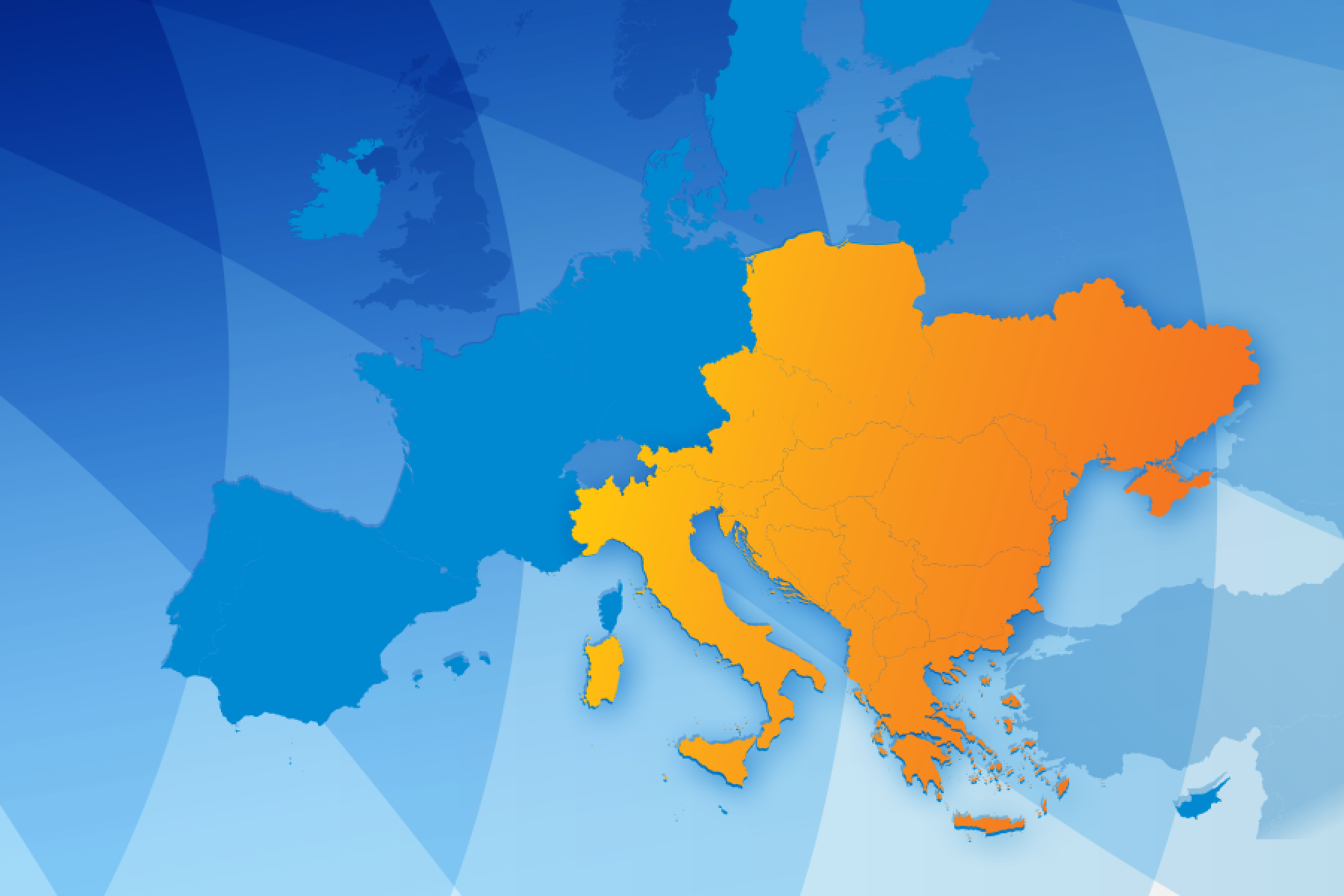
Source: European Commission