

Energy without borders: Why the Middle East needs an energy Schengen
Read the entire article here.
What the Middle East needs is a regional framework for energy interoperability: one that reduces barriers to the movement of electricity, gas, hydrogen, capital and energy technologies while gradually making participating countries’ grids, regulations, tariffs, standards and market mechanisms more compatible.
Put simply, the objective is not merely to connect cables and pipelines. It is to ensure that connected energy systems can actually work together.
According to the International Energy Agency, solar photovoltaic capacity across the Middle East and North Africa could increase roughly tenfold by 2035, with around 200 GW of new capacity added. At the same time, investment in electricity grids is expected to account for nearly 40 per cent of total power-sector investment in the region over the coming decade.
The strategic meaning of these figures matters more than the numbers themselves. As variable renewable generation expands and electricity demand from cooling and desalination rises, larger and more flexible cross-border grids become increasingly valuable. One country may have surplus generation at a particular hour while its neighbour is experiencing peak demand. Regional interconnection can turn part of this imbalance from a national problem into a regional opportunity.
The Middle East does not have to build an Energy Schengen from scratch. Some of its foundations are already taking shape.
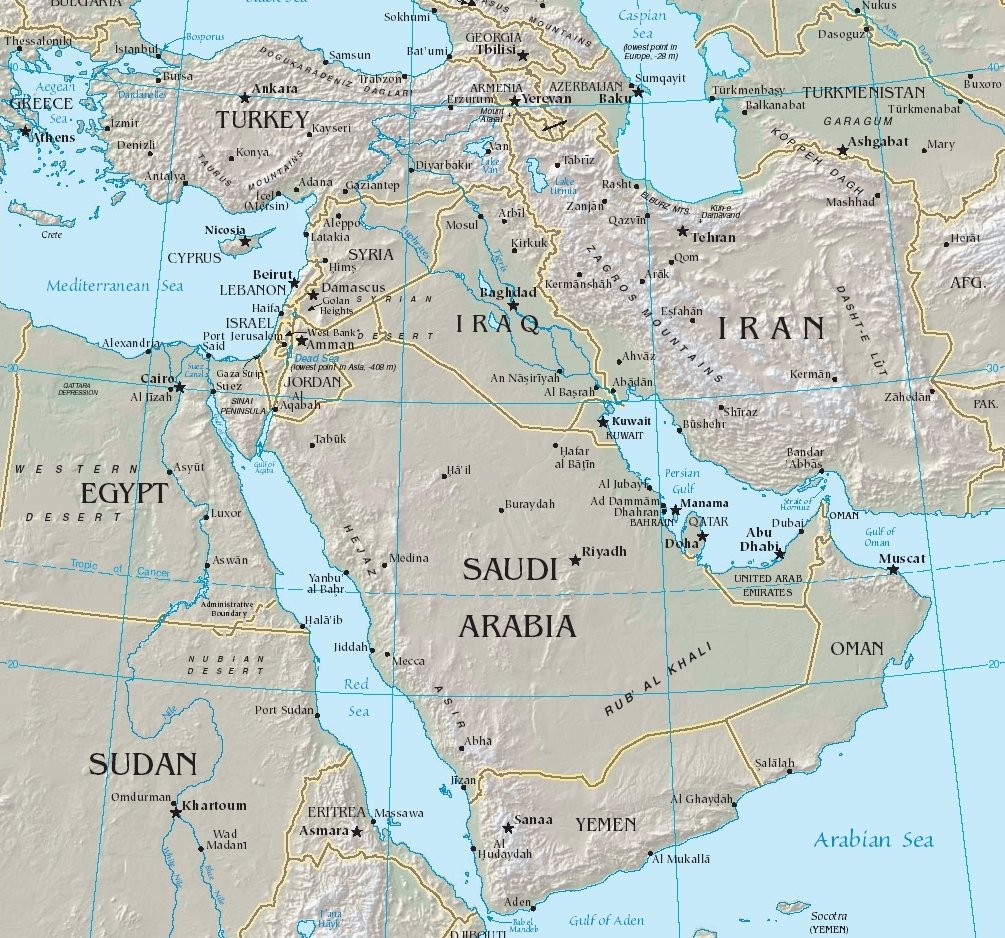
The GCC-Iraq interconnection project is designed to supply around 500 MW of electricity to southern Iraq while creating infrastructure that could support wider electricity trade between Iraq and the Gulf.
Source: Wikipedia