

Europe needs 584 billion in grids by 2030: RGI discusses the risks and opportunities in the new package
Read the full article here.
Over the last two years, electricity grids have garnered significant political attention throughout the EU.
This increased focus underscores their vital role in Europe's economic resilience, energy security, and climate objectives, a point that has been consistently highlighted in both the Letta and Draghi reports. While formal proposals are still pending, the current consultation outlines the direction for updating key regulatory frameworks. The topics addressed mirror those already covered in the Grid Action Plan, offering a consistent and comprehensive response to the challenges of expanding and modernising Europe"s electricity grids.
Direct electrification based on renewables remains the most cost- and resource-efficient pathway to decarbonise energy demand.
A more detailed and data-driven understanding of demand would unlock a range of benefits that are not yet fully captured in current planning models.
The package also aims to strengthen joint grid planning across EU Member States, yet effective cooperation must go beyond political statements. Legal and regulatory harmonisation across jurisdictions and governance levels is essential to realise meaningful regional coordination. National Energy and Climate Plans (NECPs) must be aligned with network development strategies.
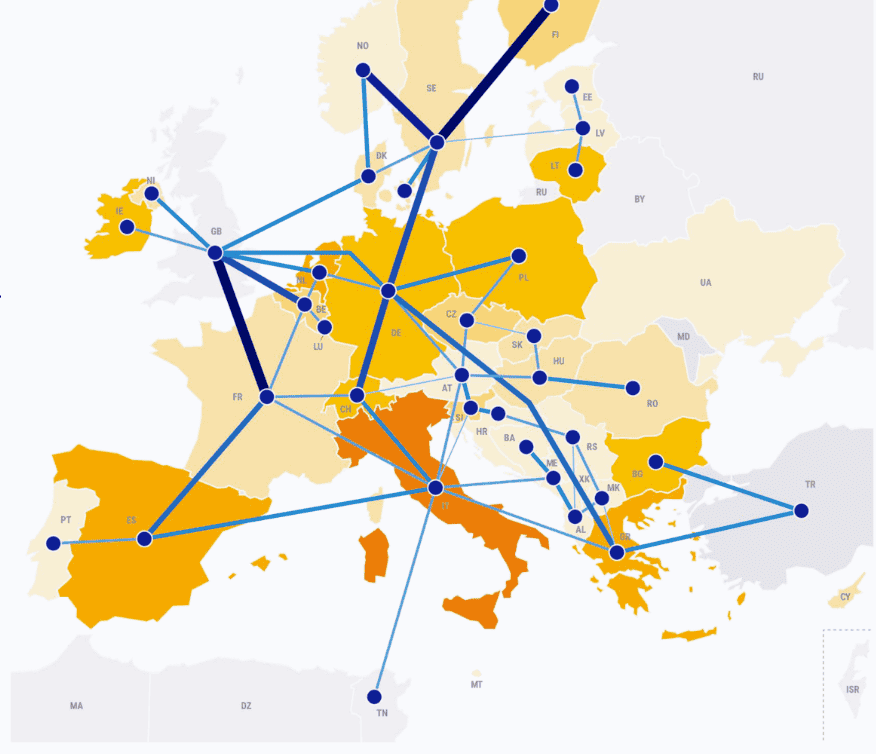
Source: ENTSO-E TYNDP 2024