

Read the full article here.
The European electricity system is governed by a complex set of rulebooks covering everything from price formation to grid access. But key pieces of that regulatory ‘software’ are languishing in a drawer in Brussels – thousands of lines of ‘network code’ that the industry says are urgently needed and could even have helped avoid the worst of last year’s Iberian blackout.
Europe’s vast power grid, which has been likened to ‘the world’s largest machine’, is estimated to boost the EU economy by more than €32 billion each year, after a process that got off to a flying start in 2009 with the creation of new ‘network codes’, establishing a shared language and legal framework that allowed electricity to be traded as a commodity across Europe.
But the 600-page framework was last updated in 2016 even as Europe’s power generation mix tilts increasingly towards intermittent wind and solar, causing the rules to look increasingly out-of-date. Some are warning the machine is falling apart.
“Revising of the EU’s outdated network codes is crucial,” said Anna Stürkgh, a liberal MEP from Austria, pointing to their role in integrating heat pumps, solar panels and electric vehicles. “A lack of those standards risks market fragmentation.”
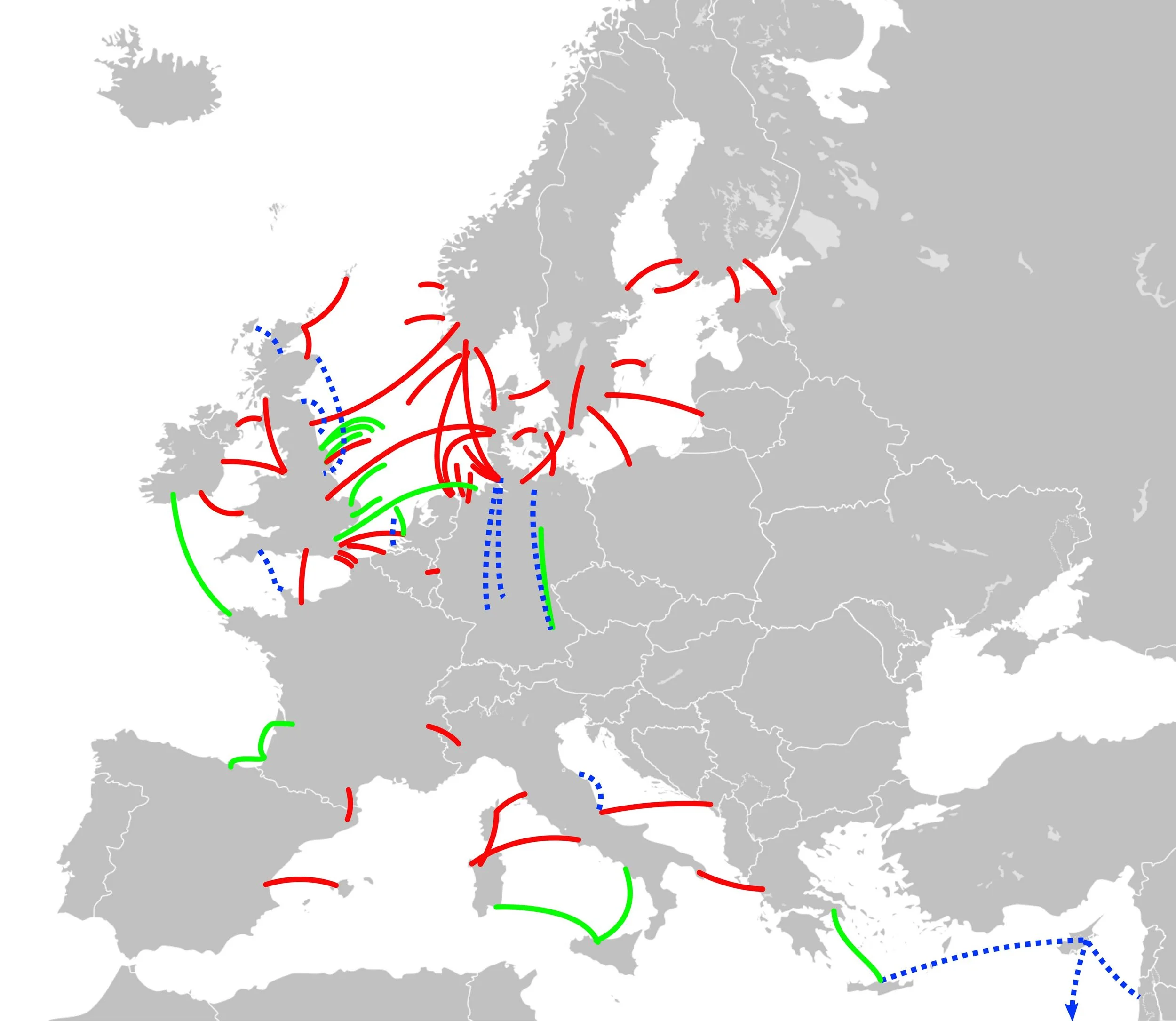
If Europe’s loosely bound patchwork of national electricity grids starts coming apart at the seams, it would mark a major reversal of the project to create a pan-European ‘supergrid’.
Source: Wikipedia