

Read the full article here.
Solar energy seems pretty simple at first glance. You put panels on a roof or out in an open field. The sun shines down on them. Clean power flows directly into the electrical grid.
In a perfect world, that would be the whole story. But behind every single megawatt of solar power sitting on the grid, there is a giant mathematical guessing game.
Hours before the sun rises, grid operators have to figure out how much light will hit those panels. They must estimate how that light will change as clouds form, seasons shift, and smog scatters the rays.
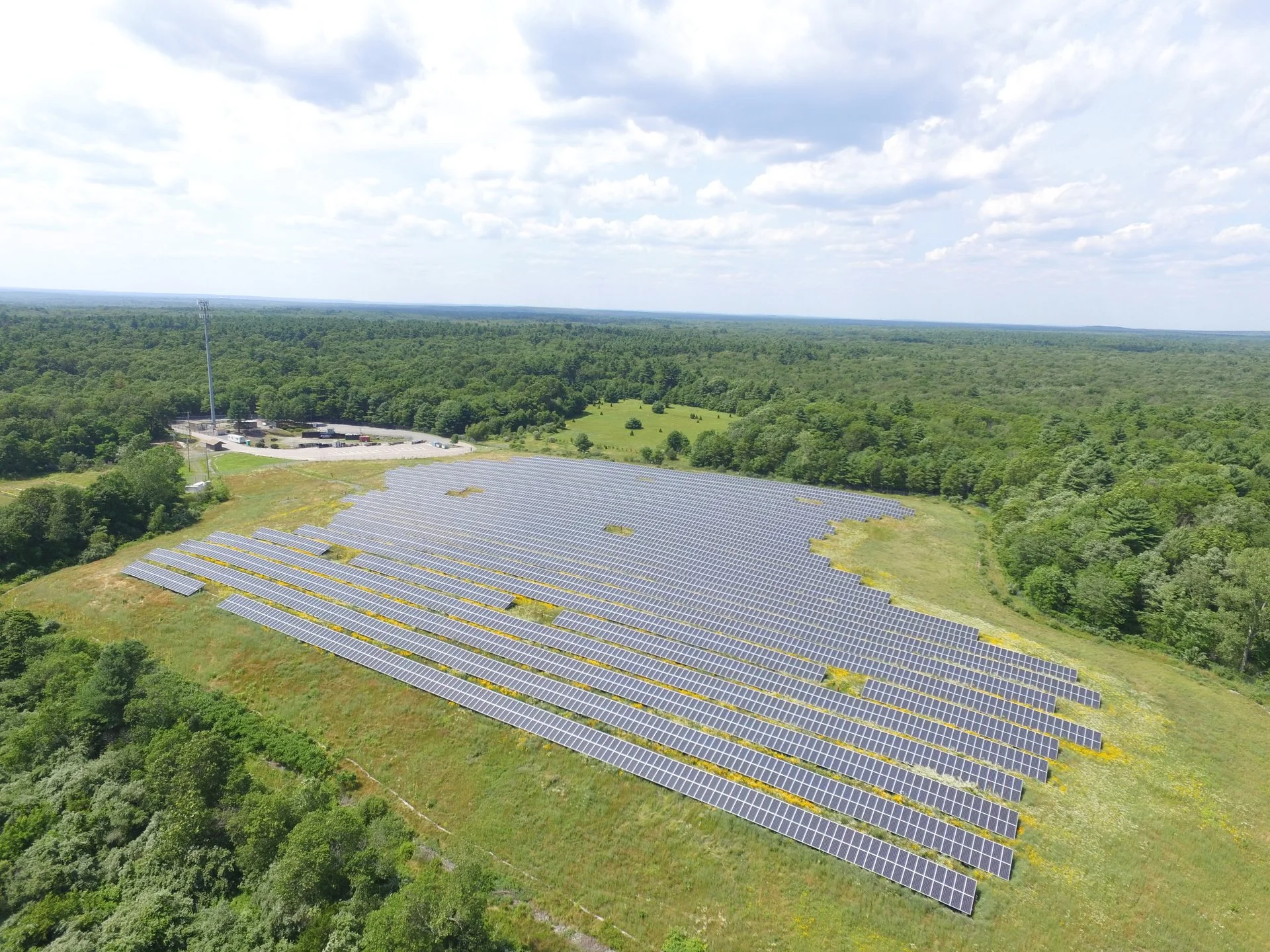
Solar capacity is growing rapidly across the United States. In fact, utility-scale solar farms now stretch across thousands of square miles of American desert and farmland. Yet our capacity to generate solar power has quickly outpaced our ability to predict it.
To solve this, a strange team has come together. Statisticians, meteorologists, and AI researchers are working side by side on a surprisingly tough problem.
We are not just trying to predict the weather for the sake of science. When a solar forecast misses the mark today, grid managers are forced to turn on expensive natural gas backup plants, costing taxpayers millions of dollars—or worse, an unexpected surge of solar power floods the system, forcing energy prices to drop below zero dollars and paying companies to dump clean electricity into thin air.
Source: Wikipedia