

Read the full article here.
A new economy is emerging where energy and computing define global value. This series explores how China’s energy-computing nexus underpins a new currency logic for the digital era.
Acautious waiting game has settled over the Strait of Hormuz — more than two months after the onset of United States-Iran hostilities — as the double blow from US and Iranian blockades leaves the key energy corridor largely dormant.
But, in the boardrooms of global finance, a familiar debate has intensified. Deutsche Bank calls the conflict the “catalyst for the beginnings of the petroyuan”, citing reports that Tehran is allowing ships to sail through the Persian Gulf if the Chinese yuan is used to pay for one of the world’s most prized commodities — oil. Other investors have pushed back, arguing that the dollar’s dominance remains deeply entrenched.
As the Hormuz crisis exposes the Achilles’ heel of a fossil fuel-centered system, the petroyuan chatter feels increasingly outdated in a world that’s changing geopolitically and energetically. China has taken pole position, becoming what asset manager Robeco hails as the world’s first “electrostate”. The real focus is moving beyond crude, toward scalable export of clean-energy technologies, artificial intelligence computing built on green power and, potentially, the emergence of the “electroyuan”.
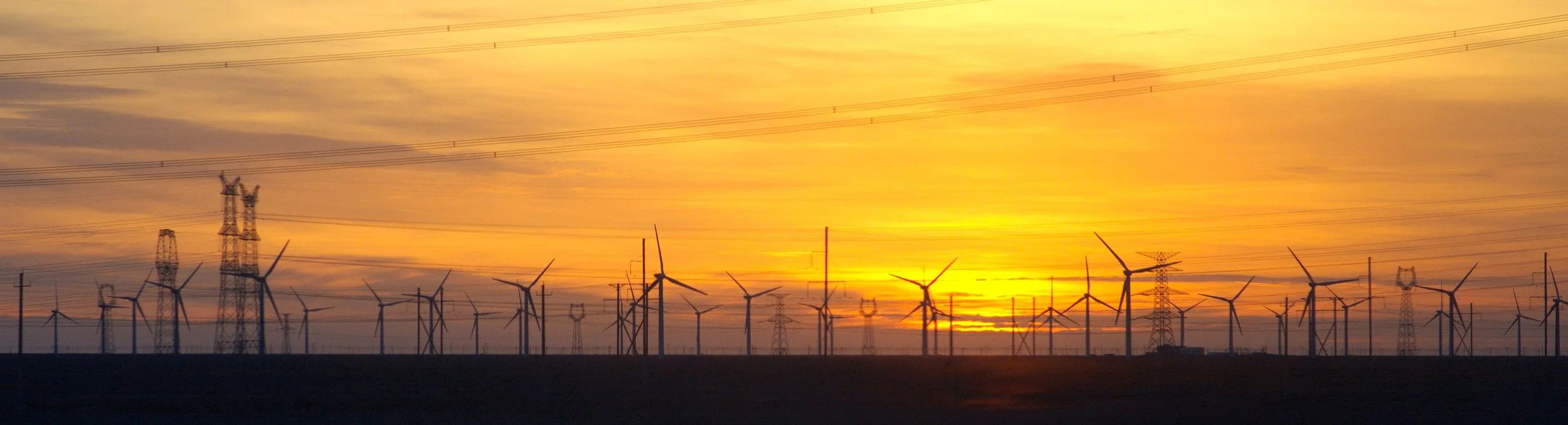
Gansu Wind Farm, China. Source: Wikipedia