

Read the full article here.
In recent weeks, Cuba has experienced two major blackout events, leaving nearly all 11 million residents without power. An aging power grid, coupled with disruptions in global oil trading, has left the country’s power supply faltering.
Blackouts are not a new phenomenon for most Cubans; they have become accustomed to rolling power outages. The power grid infrastructure has been relied on far longer than intended. Many businesses have had to invest in solar panels to avoid losing power midday, rather than relying on the electrical grid. Over the last few years, this problem has been exacerbated, forcing citizens to adapt to living off-grid.
Despite these difficulties, life for Cubans has recently worsened. Earlier this year, Venezuela ceased sending oil to Cuba, causing massive shocks to the country’s power system. Nearly half of Cuba’s oil needs were previously supplied by Venezuela. This gap in power production has left Cuba effectively running out of fuel, creating the conditions for an island-wide blackout.
Unlike blackouts of the past, the entire island, aside from those with solar panels or generators, was without power for over a day. The Cuban national news network was even down for 1.5 hours, citing the blackout as the cause. Coupled with these problems is the loss of oil trade with Mexico, which has also halted shipments to Cuba.
Nuestra America Convoy to Cuba (NAAC) has delivered critical aid to the people of Cuba. Individual countries have also responded. Canada has pledged $8 million in food aid to Cuba. Another North American contributor, Mexico, has already sent more than 1,000 tonnes of food aid in the last two weeks. Chile, China and Italy have also pledged support. These efforts to deliver humanitarian aid to Cuba play a major role in preventing the situation from becoming even more critical than it already is.
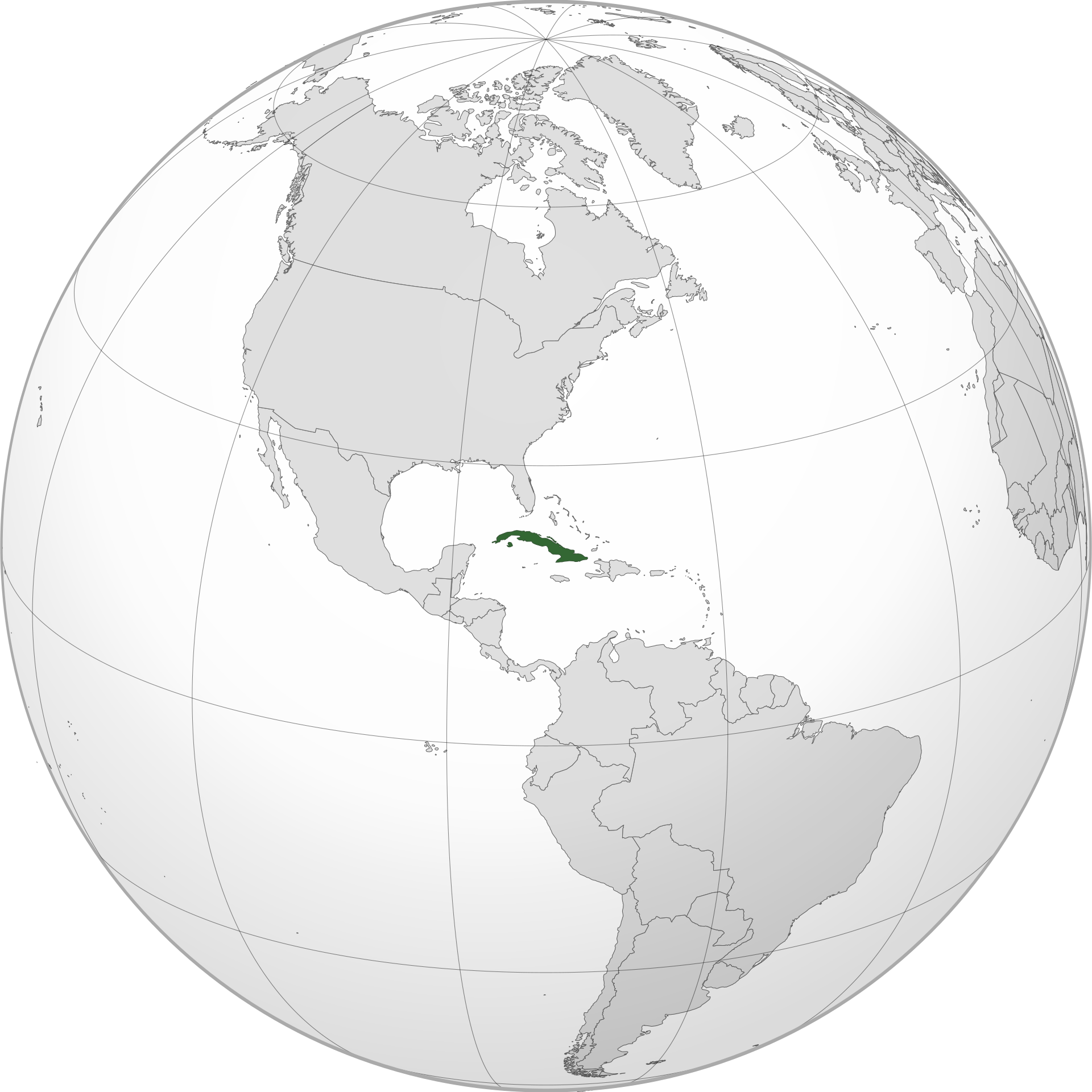
Source: Wikipedia
