

How middle powers are quietly reshaping global geopolitics
Read the full article here.
As global power competition intensifies and the traditional order becomes increasingly fragmented, a growing group of states known as “middle powers” are emerging as decisive actors reshaping the international landscape.
No longer content to remain passive players between superpowers, countries such as Türkiye, Azerbaijan, South Korea, India, Saudi Arabia, the UAE, Indonesia, and Brazil are using economic connectivity, regional influence, and diplomatic agility to redefine global politics. Their rise reflects a structural shift in world affairs where power is dispersed, alliances are flexible, and regional leadership matters as much as global alignment.
Energy, technology, and logistics corridors are becoming the new battlegrounds of geopolitical influence. Middle powers use these tools to extend their reach. Investments in critical minerals, green energy, digital infrastructure, and defense technology allow them to participate in shaping tomorrow’s global economy. The strategic importance of rare earth elements, semiconductor supply chains, and transport corridors such as the Middle Corridor or the India–Middle East–Europe route underscores how middle powers now sit at the center of global reconfiguration.
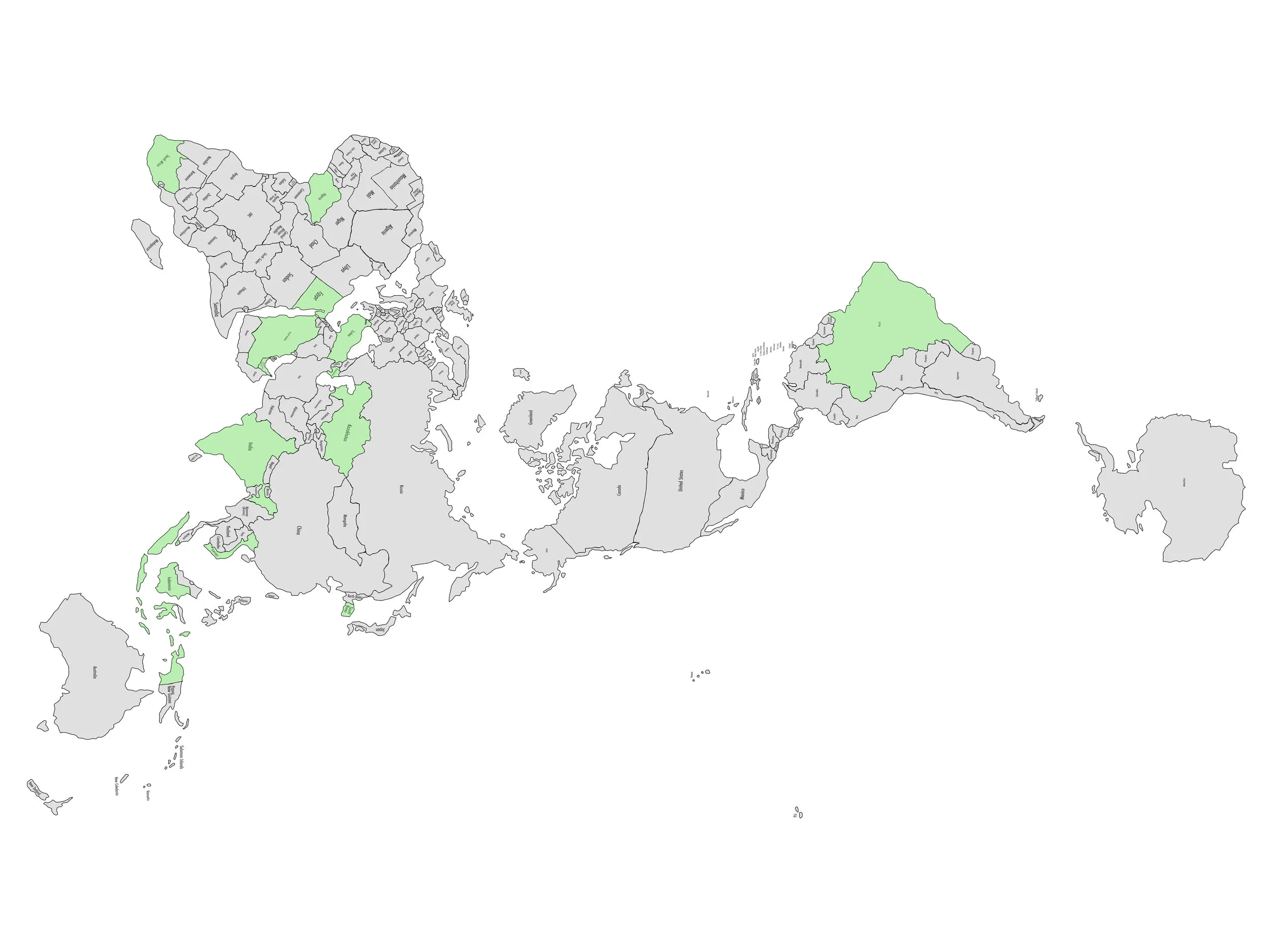
Source: World Grid Project