

Read the full article here.
Solar power generation across Nigeria has accelerated at an unprecedented rate, now accounting for a critical 20 percent of the nation's total electricity supply capacity. Speaking at the 25th Nigerian Oil and Gas (NOG) Energy Week in Abuja, Rural Electrification Agency (REA) Managing Director Abba Abubakar Aliyu revealed that sustained deployment momentum could push solar to comprise half of the country's entire power mix by 2028.
This aggressive pivot toward renewable infrastructure signals a monumental structural shift in West Africa's largest economy. For decades, the Nigerian grid has been plagued by chronic instability, relying heavily on centralized gas-fired thermal plants that frequently succumb to pipeline vandalism and supply deficits. The rapid decentralization through solar mini-grids and home systems represents a fundamental re-engineering of the power market, drawing intense interest from global private sector investors seeking to replicate this scalable model across the continent.
Generating power is only the first phase of the energy equation; delivering it remains a formidable challenge. Energy analysts at the Abuja conference explicitly warned that adding multi-gigawatt solar capacity requires synchronized investments in grid infrastructure. Without upgraded transmission corridors, newly generated electricity risk becoming stranded at the source.
Stakeholders strongly advocated for the immediate deployment of digitized smart grid systems capable of executing real-time power dispatch. Constructing additional high-voltage transmission lines is considered non-negotiable to prevent system collapse. The integration of intermittent renewable sources demands sophisticated load balancing technologies, particularly when integrating variable solar yields with baseload thermal generation.
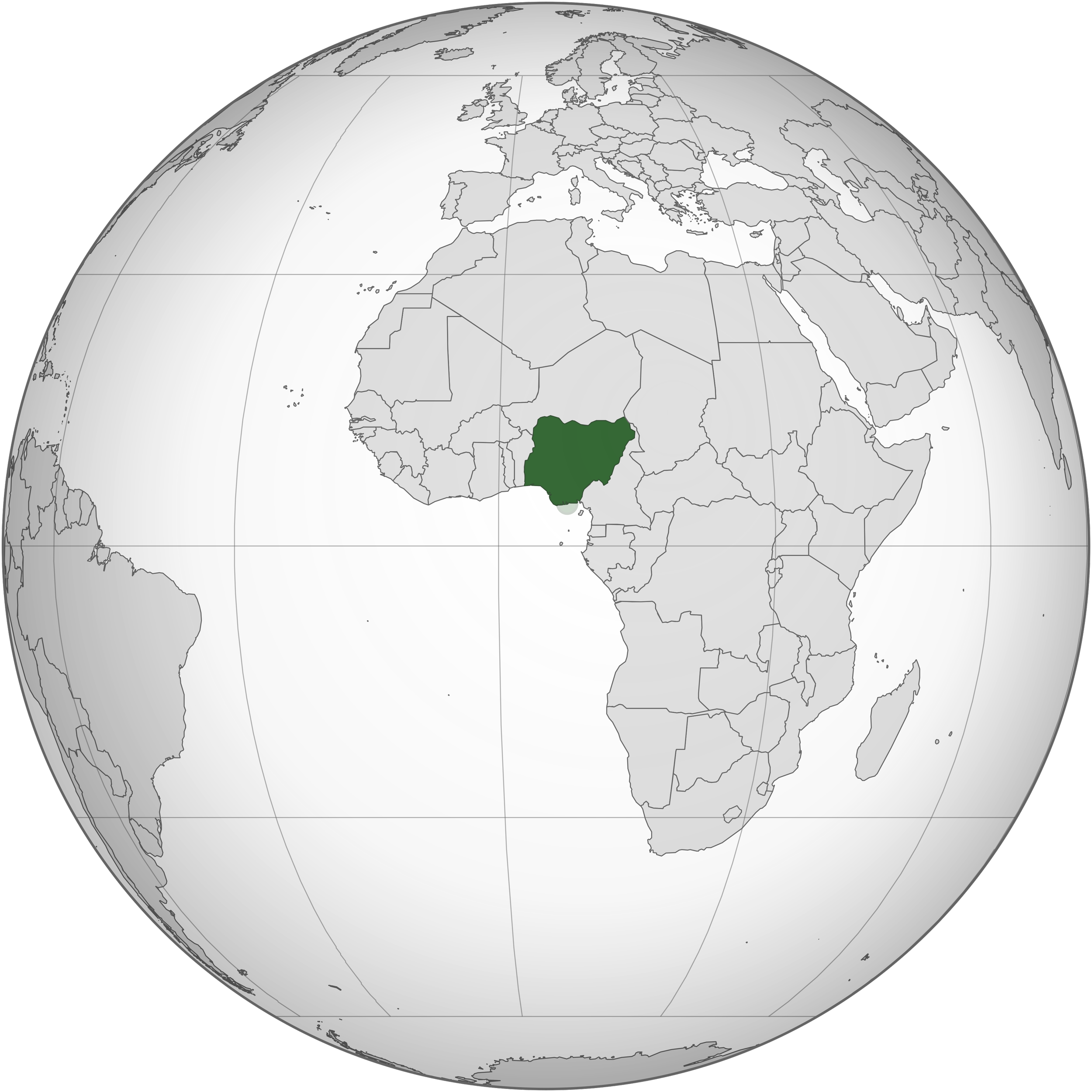
Siurce: Wikipedia