

Kazakhstan’s Critical Minerals in the Global Power Shift
Read the full article here.
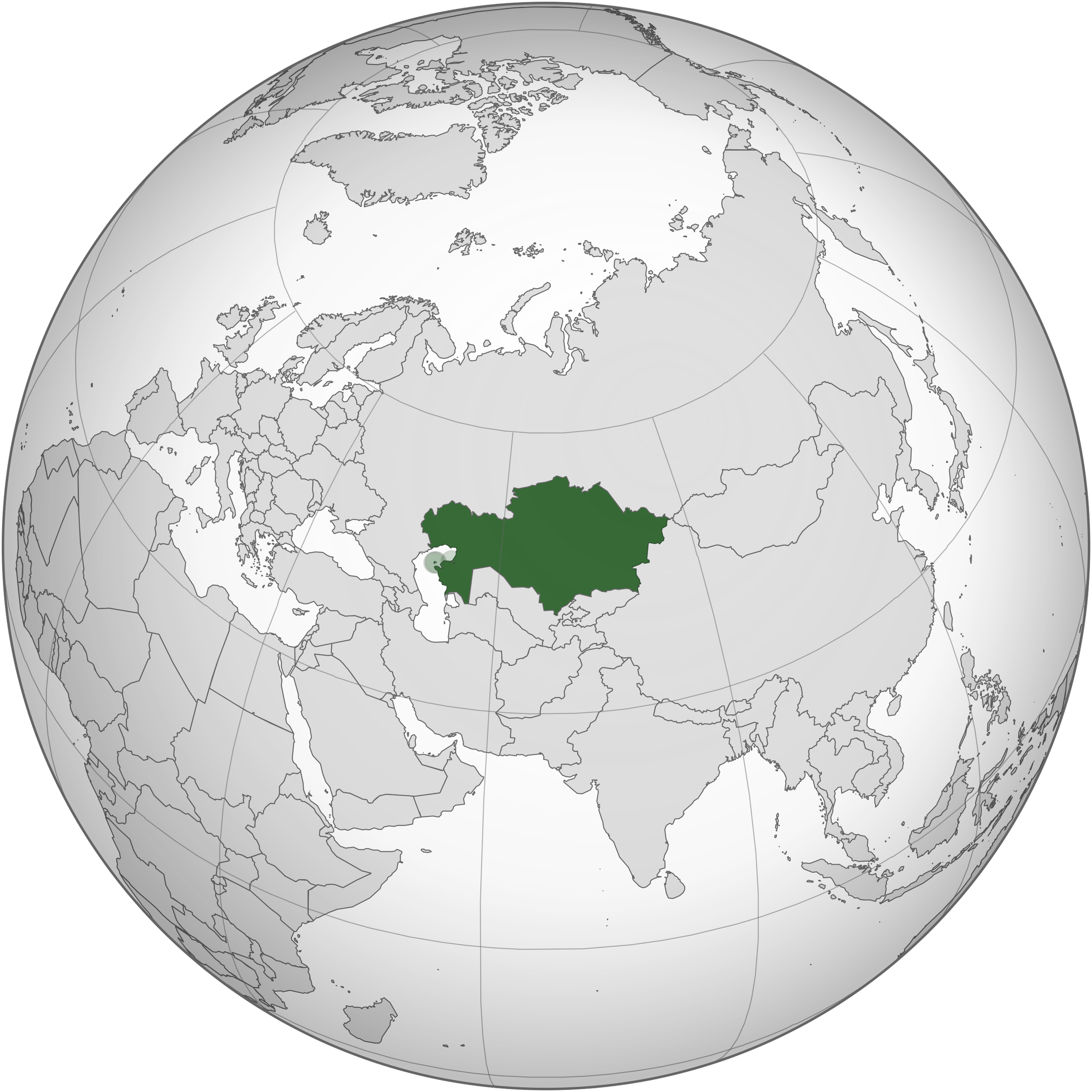
Kazakhstan’s geographical centrality lends it geopolitical significance, enabling it to engage various powers. Nestled between Russia and China, the country is a major repository of rare-earth minerals, with around 5,000 deposits valued at US$ 46 trillion. Astana’s resource endowments are indispensable in the backdrop of a global energy transition, placing it at the intersection of competing great-power interests. The state has identified 124 deposits of rare-earth metals, yet has explored only 37, underscoring the massive potential to challenge Chinese dominance. Astana accounts for 40 percent of global uranium production and is one of the world's leading copper producers. It also has one of the largest bauxite reserves globally. After Russia, Kazakhstan has the largest proven oil reserves in Eurasia, estimated at 30 billion barrels, while its proven recoverable gas reserves stand at 3.8 trillion cubic metres. Astana’s strategic geography and vast natural resource endowments have positioned it as a pivotal actor in Eurasian geopolitics.
Post-Soviet states interact with various powers holding conflicting interests, steering clear of bandwagoning and managing great power rivalries through multi-vectorism. This diplomatic posture enables them to maintain sovereignty through strategic autonomy, thereby protecting national interests. Specifically, Astana’s strategic position and vast mineral resources utilise multi-vectorism to counterbalance Russia's influence with other global powers, notably China.
Source: Wikipedia
.svg)