

Networking of the Baltic Sea countries becomes more concrete
Read the entire article here.
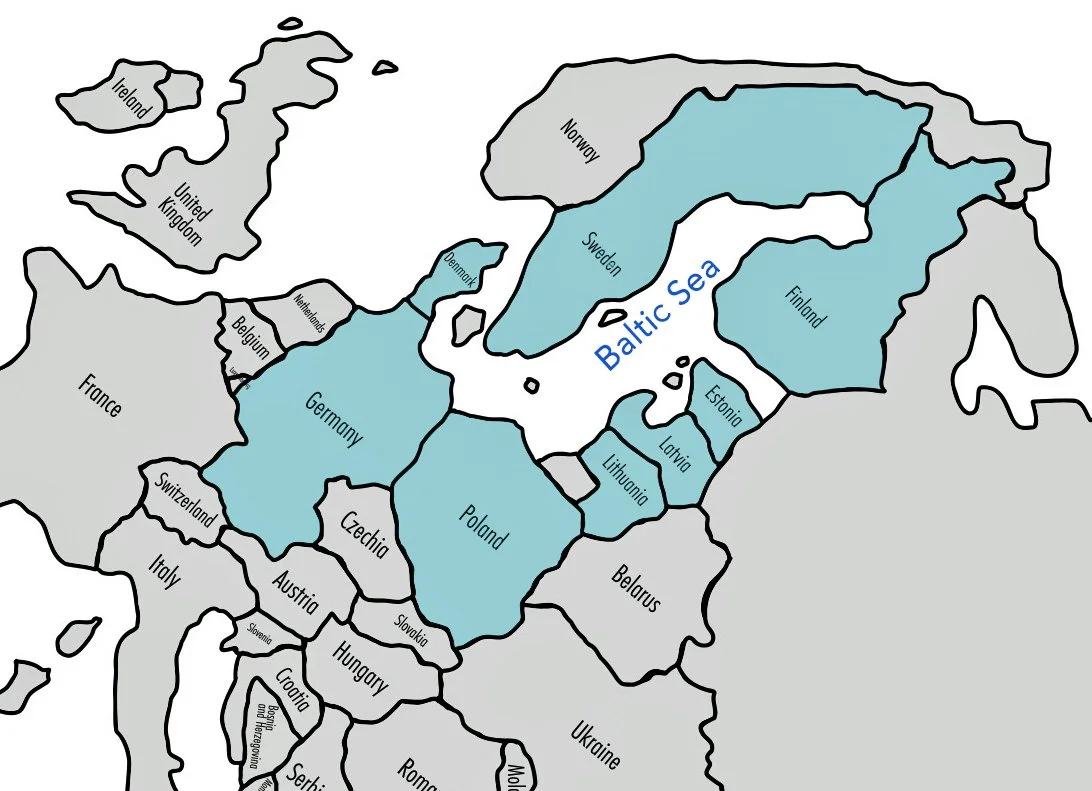
The construction of 13 GW of new, cross-border capacity makes sense for the Baltic Sea region, as do hybrid offshore hubs as central nodes. These are the findings of a study on offshore grid infrastructure and the expansion of offshore wind energy, which eight transmission system operators from the Baltic Sea region have presented together for the first time. The participants are 50 Hertz (Germany), AST (Latvia), Elering (Estonia), Energinet (Denmark), Fingrid (Finland), Litgrid (Lithuania), PSE (Poland) and Svenska Kraftnät (Sweden), organised in the Baltic Offshore Grid Initiative (BOGI).
The study now presented assesses the construction of around 13 GW of new cross-border interconnectors by 2040 as systemically efficient. Both point-to-point connections between individual countries and so-called hybrid offshore nodes are envisaged. The modelling shows that these connections would be highly utilised throughout the year and could also reduce system costs, price peaks and CO2 emissions. The analysis is based on national expansion plans and the European Ten-Year Grid Development Plan (TYNDP).
Source: Geographies of Cooperation Atlas