

Read the full story here.
A common assumption is that the ASEAN Power Grid will advance once trust between governments improves. The region's own experience suggests the reverse. The Laos–Thailand–Malaysia–Singapore Power Integration Project (LTMS-PIP) began in June 2022 with up to 100 MW of trade over existing lines. Only after it had performed was a second phase agreed, doubling capacity to 200 MW with Malaysia as an additional seller. Confidence followed delivery.
The aim, then, is dependable interdependence: arrangements under which relying on a neighbour remains a sound choice even when relations turn sour. That requires three conditions.
First, interdependence should be symmetrical. Singapore depended on Indonesian gas, but Indonesia did not depend on Singapore in any comparable way, so the cut cost Jakarta little.
Co-investment, in which buyers and sellers hold stakes in each other's assets, changes that calculation. Saudi Aramco owns 10% of China's Rongsheng Petrochemical and supplies its refinery under a 20-year contract; closer to home, Thailand's EGCO owns 35% of Laos's Nam Theun 2 dam, which sells most of its output to Thailand's state utility.
Second, commitments need insulation from political cycles. Singapore has said it has said it is prepared to grant import licences of up to 30 years because these projects take decades to recover their costs, so each will outlast several governments. Export rights that rest on ministerial discretion cannot match that horizon; they need to sit in statute, long-tenor contracts and dispute-settlement mechanisms that neither side can override alone. Singapore's 2027 Asean chairmanship is a chance to put these protections on the leaders' agenda.
Third, importers need resilience at home. Singapore's nuclear assessment is better understood as a complement to regional integration than an alternative: domestic firm capacity limits the damage any single disruption can cause, which makes greater reliance on imports politically acceptable. Its "Four National Taps" water strategy followed the same logic, expanding domestic supply while imports from Johor continued.
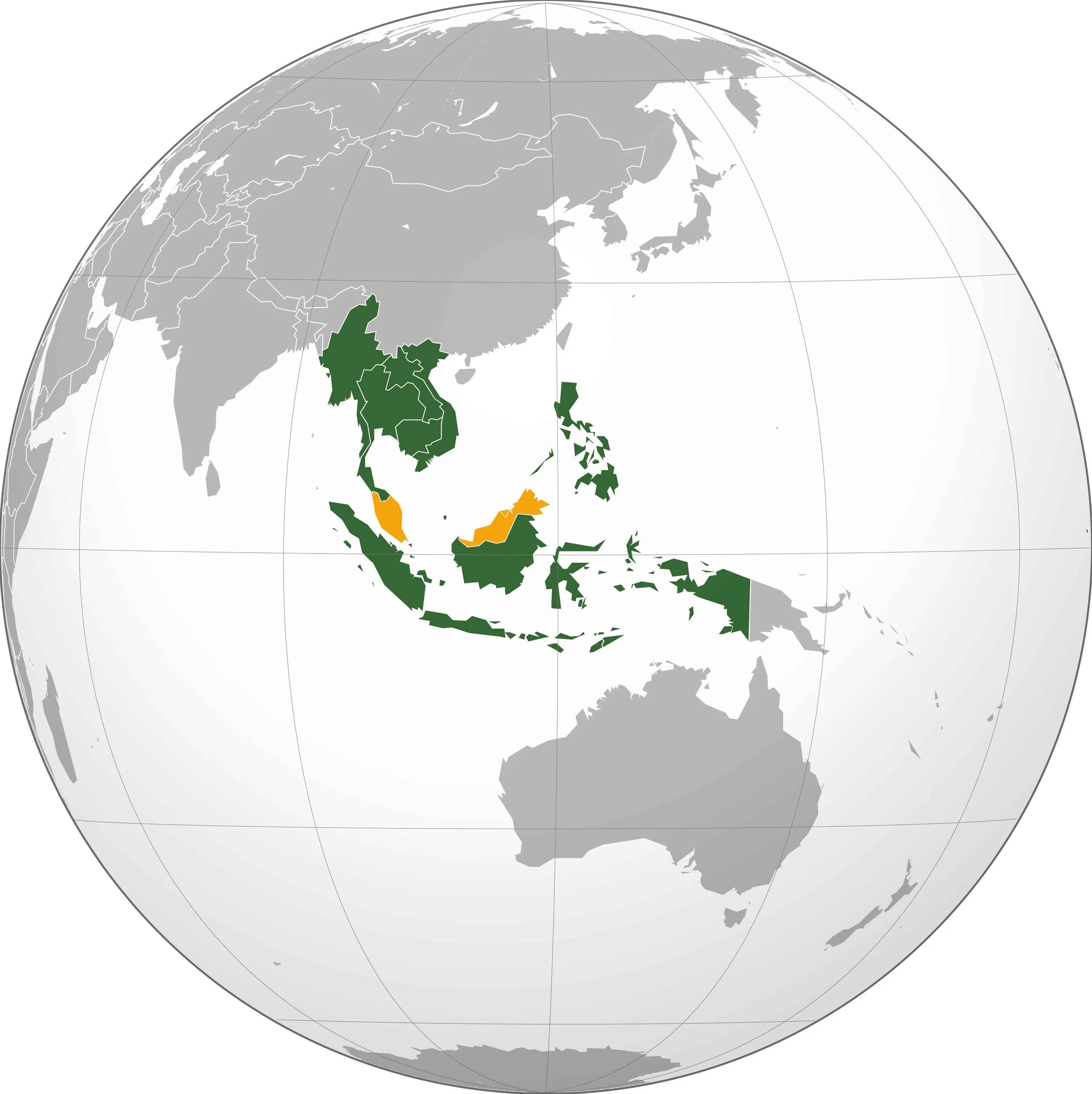
Source: Wikipedia