

Read the full article here.
The Colombia-Panama Electrical Interconnection (ICP) is a binational high-voltage direct current (HVDC) transmission project designed to link the power grids of Central America and South America for the first time. Wargandí and Guna Yala are two indigenous comarcas (semi-autonomous regions) in Panama inhabited by the Guna people. Both territories recently approved a free, prior, and informed consent process regarding the $800 million Panama-Colombia electric interconnection project. With the approval of Wargandí and Guna Yala comarcas, the two territories have taken a decisive step forward for an $800 million dollar development. The Panama-Colombia electric interconnection megaproject (ICP). Following this milestone, only an agreement with the Alto Bayano Collective Land (an indigenous territory in Eastern Panama) remains to finalize the project that will connect the energy networks of Central and South America.
The agreement marks a milestone in the relationship between the project and the region, after the interconnection was suspended in 2012. “This step is the result of mutual respect between national and traditional authorities. This is how we got here, and this is how we will continue working,” added the Minister of Energy, who also confirmed that the environmental impact study was accepted by the Ministry of the Environment at the end of 2025 and is currently under evaluation. The Colombia-Panama Electrical Interconnection aims to strengthen energy responsiveness to climate events that impact supply and demand. The project will link the electrical systems of Central and South America for the first time via a high-voltage transmission line approximately 500 kilometers long—including a submarine section in the Caribbean—with an initial capacity of 400 megawatts. The project is part of the Sustainable Environmental Corridor initiative, which encompasses road infrastructure, rural electrification, and interconnection.
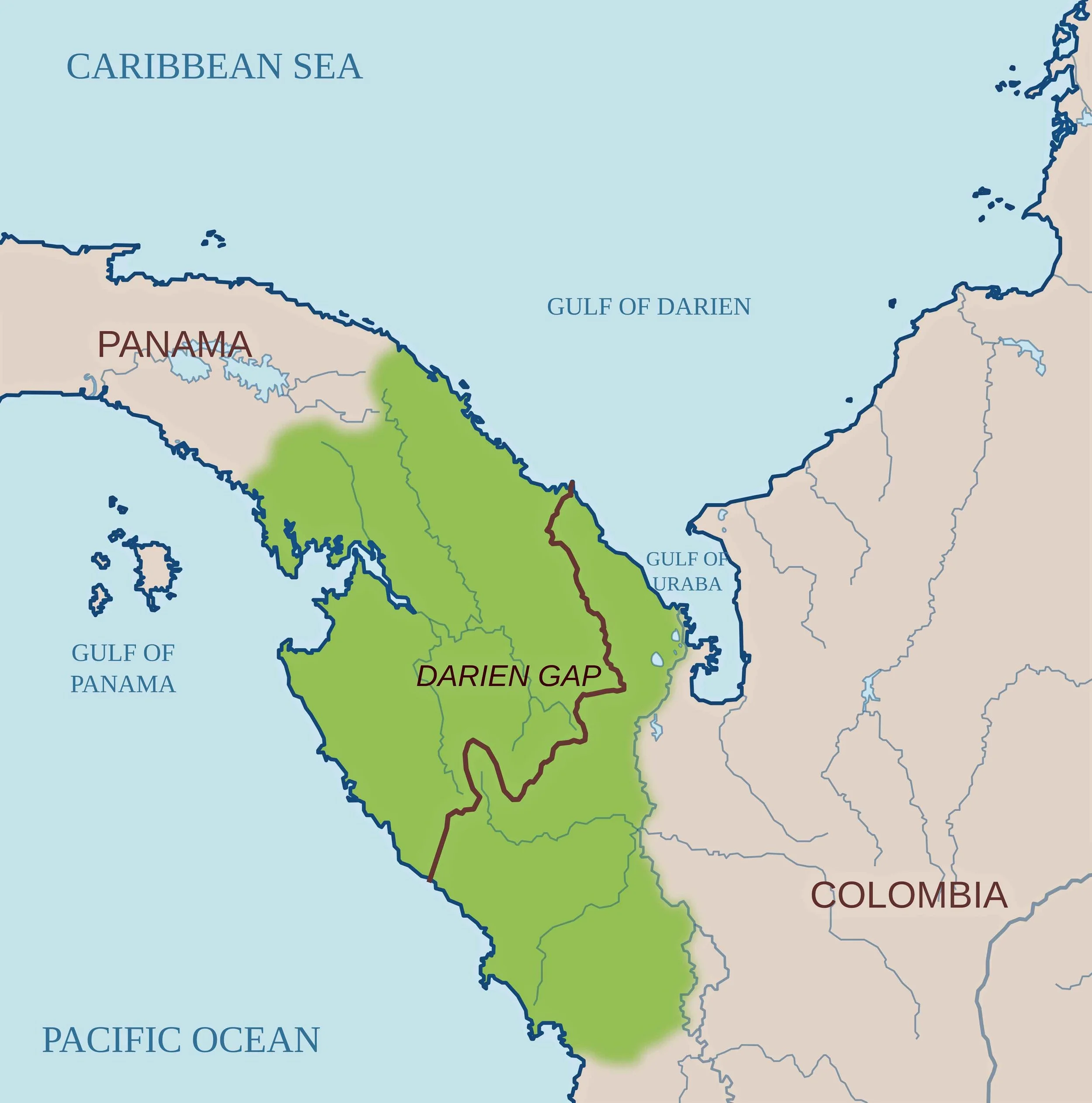
Source: Wikipedia