

Portugal and UK charging ahead on electricity storage and global data point to pumped storage boom
Read the full article here.
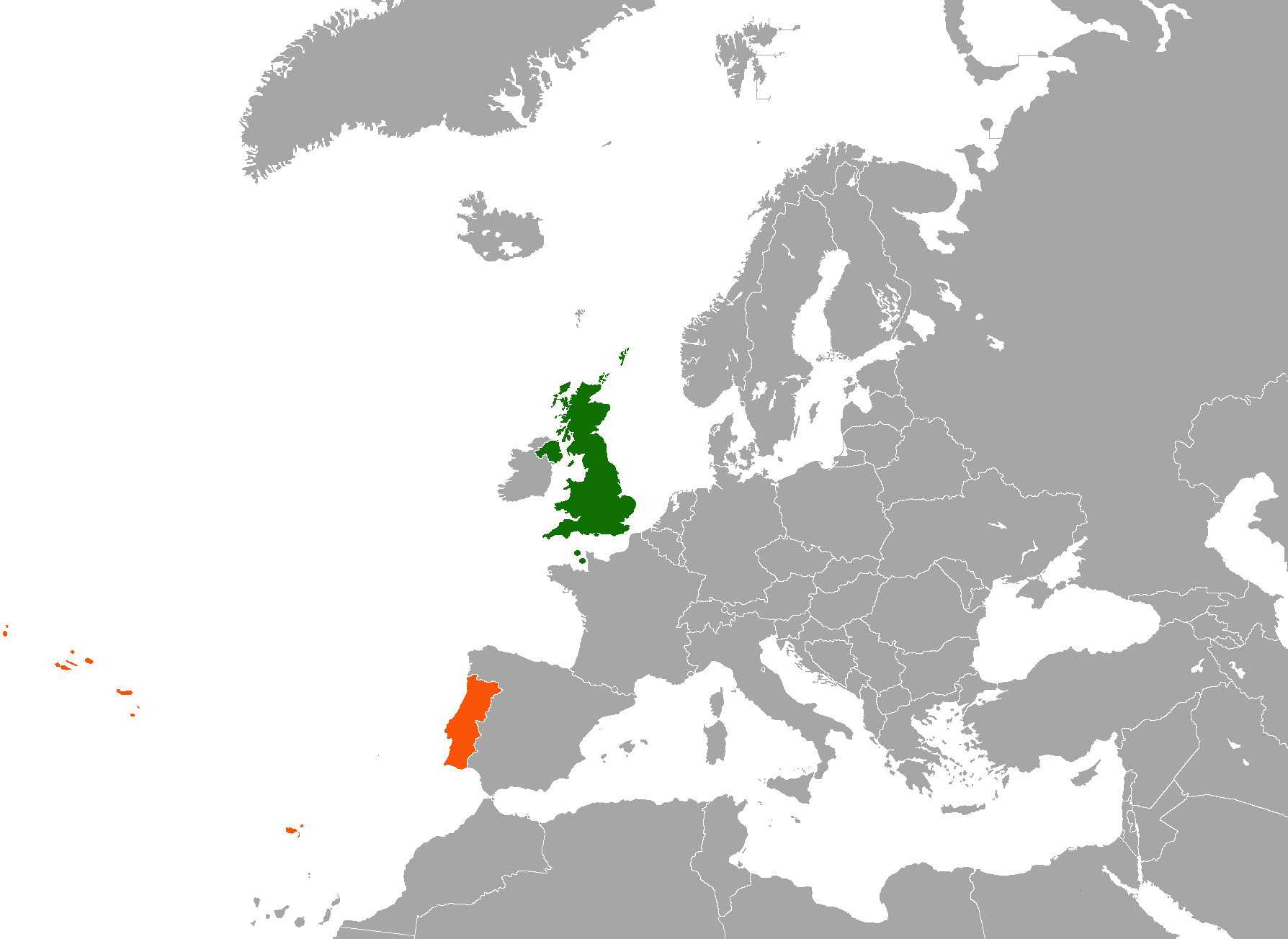
A wave of policy announcements and new data from across Europe show pumped storage becoming increasingly relevant for a secure, low-cost, renewables-based grid. In the space of a few days, Portugal has unveiled a national storage strategy with dedicated pumped storage targets, Great Britain's energy regulator has provisionally selected three pumped storage projects to be amongst the first projects to benefit from its new long-duration storage support scheme, and the International Hydropower Association's (IHA) 2026 World Hydropower Outlook has confirmed Europe's development pipeline for pumped storage has reached 59 GW and an estimated electricity storage capacity of more than 500 GWh. This is enough to sustain the energy for 1 million houses in Europe for two months.
Together, the developments illustrate a continent grappling with an increasingly urgent problem: record levels of renewable curtailment and negative electricity pricing, driven by the rapid build-out of wind and solar without matching investment in flexibility and storage.
As the latest Eurobarometer survey shows, defence and security (39%), energy independence (35%) and competitiveness (32%) are among the top priorities Europeans believe the EU should focus on to strengthen its position in the world. To meet Europeans' priorities, accelerating renewable-powered electrification, alongside investment in long-duration storage, will be key to strengthening energy independence, boosting competitiveness.
Portugal presented its new national storage strategy on 29 June, explicitly recognising the role of long-duration energy storage (LDES) in supporting renewable integration, reducing curtailment, strengthening security of supply and lowering overall system costs.
On 26 June, Ofgem marked a significant step forward for long-duration electricity storage (LDES) in Great Britain, moving its support programme from eligibility assessment into the next phase of project selection.
Source: Wikipedia