

Power Beyond the Grid: How Communities Turned a CASA Transmission Line into Shared Gains and Development
Read the full article here.
The Central Asia South Asia Electricity Transmission and Trade Project (CASA-1000) was designed to transmit surplus hydropower from Tajikistan and the Kyrgyz Republic to energy deficit markets in South Asia. Through the Community Support Program (CSP) in both countries, CASA-1000 embedded community benefit sharing as a strategic pillar of project design, aligning infrastructure development with community-driven local development. In both countries, CSP strengthened public support, improved livelihoods and services, empowered women, and reinforced social cohesion in fragile and border-affected areas. CSPs successfully demonstrated the importance of sustained institutional ownership, social acceptance, and financial sustainability at the local level for the long-term success of large-scale infrastructure project.
The CSP experience under CASA-1000 in Tajikistan and the Kyrgyz Republic offers a replicable model for future transmission and large-scale infrastructure projects. Building on this experience, the project has established the foundation for the future Community Development Fund (CDF) - a revenue sharing mechanism that will be activated once the CASA-1000 transmission line becomes operational. The CDF is intended to channel a portion of project-related revenues into community-driven local development initiatives in project-affected areas.
These lessons are also contributing to the design of emerging benefit-sharing frameworks for large hydropower investments in Central Asia, including the Rogun Hydropower Project in Tajikistan and the Kambarata‑1 Hydropower Project in the Kyrgyz Republic.
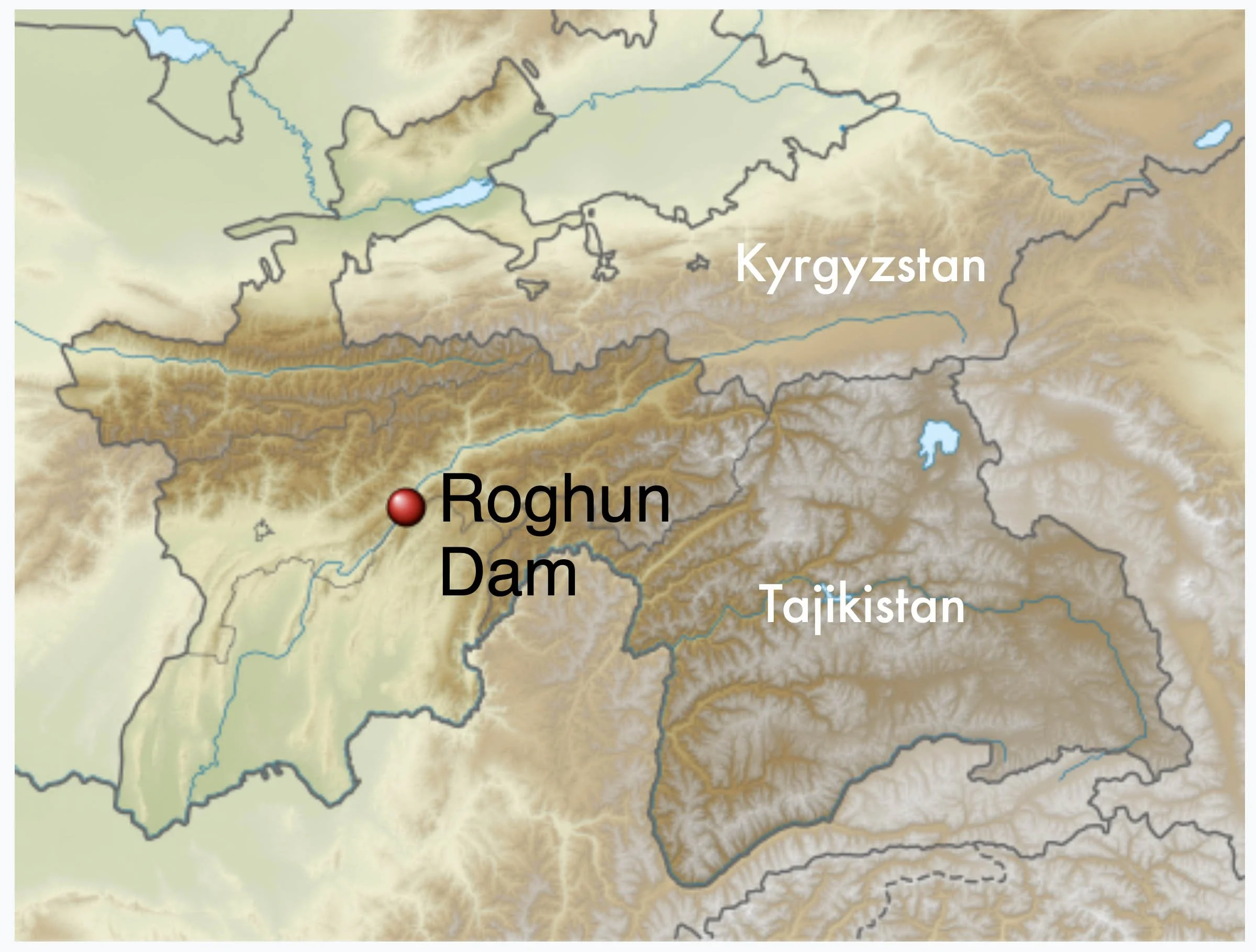
Source: Wikipedia
