

Present conflict in the Middle East: Risks and opportunities for South Asia
Read the full article here.
Qatar and the United Arab Emirates supply almost all LNG imports for Pakistan, about 72 per cent for Bangladesh. India also relies heavily on Middle Eastern energy, with nearly half of its crude oil imports and a significant share of LNG and LPG through the Strait of Hormuz.
Such dependence creates significant vulnerability. Even short supply disruptions or price spikes can quickly increase energy costs across the region. At the same time, the current crisis presents an opportunity for transformation. It highlights the urgent need to reduce reliance on imported fossil fuels and strengthen long-term energy security.Accelerating the transition to renewable energy offers a triple-wins strategy.
First, renewable energy strengthens energy security by reducing dependence on imported fuels and exposure to global price volatility.
Second, clean energy supports economic development. Investments in renewable energy can create jobs, attract private investment, and strengthen domestic industries.
Third, renewable energy contributes to public health and environmental sustainability.
Stronger regional cooperation is essential to move forward. Expanding cross-border electricity trade, improving grid connectivity, and sharing technical expertise can reduce costs and meet growing demand.
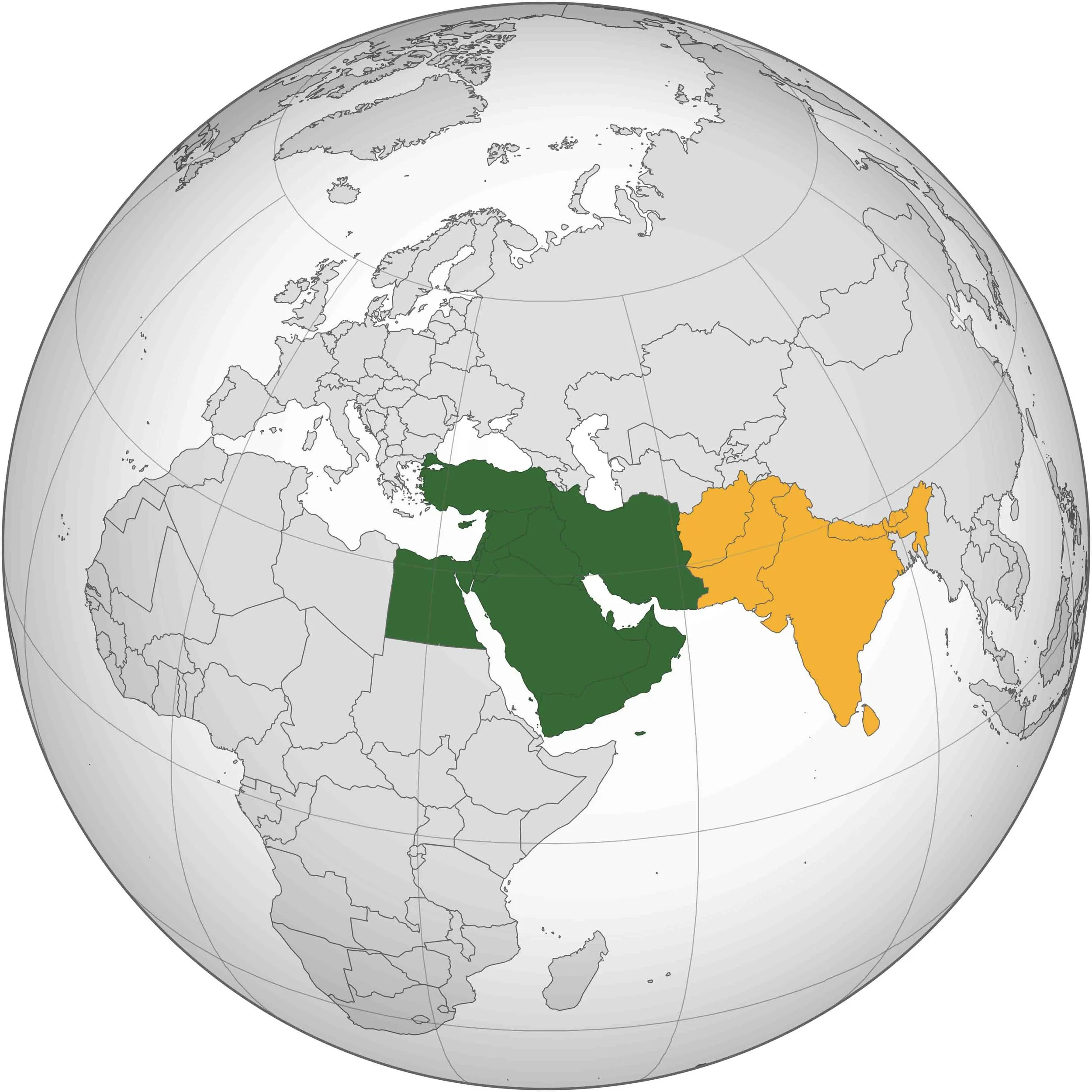
Source: Wikipedia/ Geographies of Cooperation Atlas