

Regional Ties: India strengthens its cross-border connections
Read the full article here.
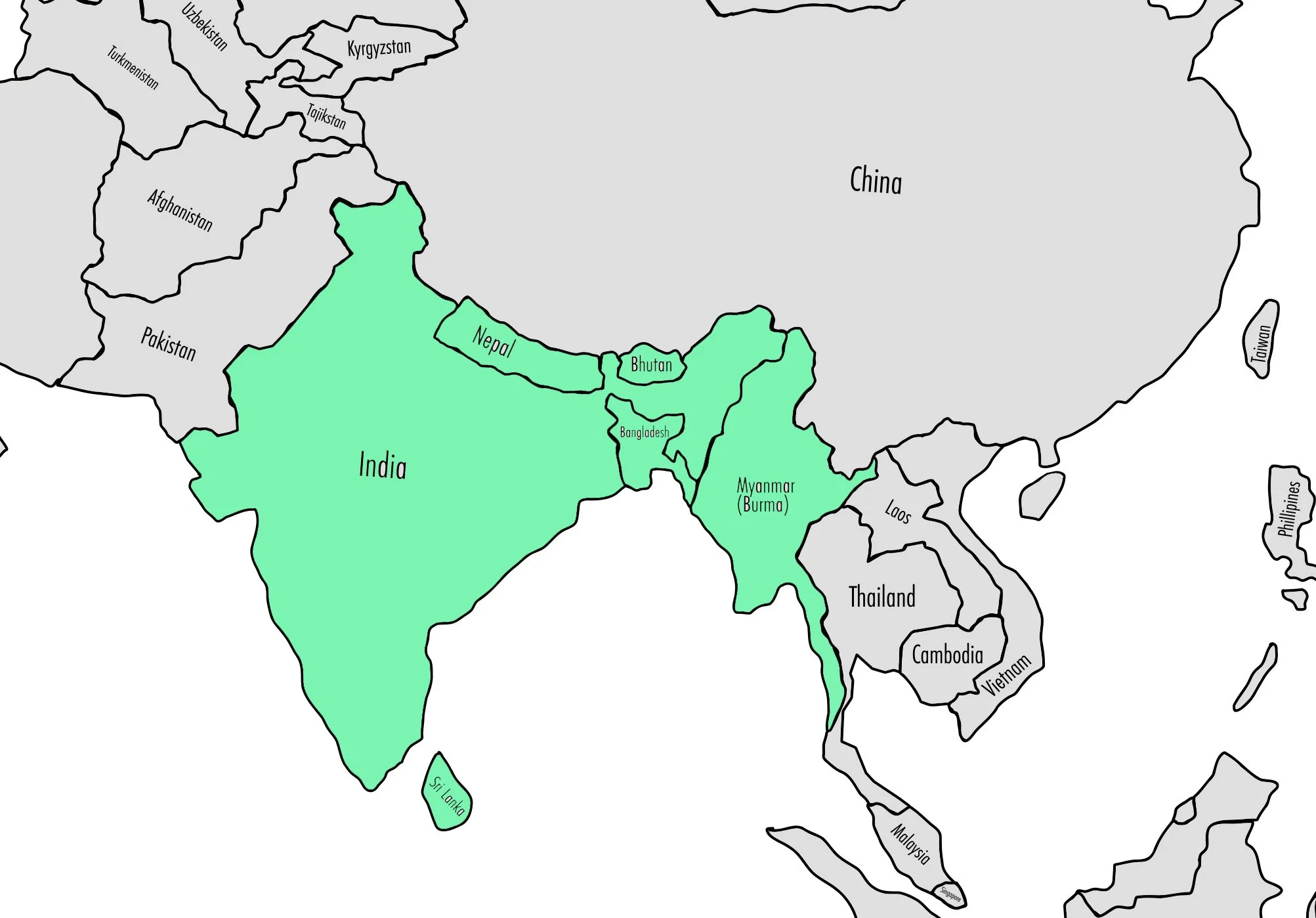
Cross-border interconnections are becoming increasingly important as countries seek to strengthen energy security and integrate renewables into their grids. These links allow surplus power to flow across national boundaries and thus help balance seasonal and daily variations in demand and generation, thereby ensuring efficient use of regional resources. India, located at the centre of South Asia, plays a pivotal role in this process. Due to its geographical proximity to Nepal, Bhutan, Bangladesh, Myanmar and Sri Lanka, India has a natural advantage in coordinating power exchanges and enabling grid integration across the region.
India’s cross-border transmission network currently links the national grid with Nepal, Bhutan, Bangladesh and Myanmar through a mix of synchronous and asynchronous interconnections at the 11 kV, 33 kV, 132 kV and 400 kV levels. As per Central Transmission Utility of India Limited’s (CTUIL) Interstate Transmission System (ISTS) rolling plan 2030-31 (Interim Report), at present, these interconnections have an installed transmission capacity of 10,323 MW, facilitating operational power transfer of about 5,414 MW. By 2027-28, installed capacity is expected to increase by another 8,100 MW through interconnections under construction, enabling a rise in operational power transfer to 9,194 MW.
Source: Kirsten McCracken | World Grid Project