

Submarine Cables Are Being Laid in Accordance with Global Power Grid Trends
Read the full article here.
Submarine cables have long served as the invisible backbone of global connectivity. From enabling early transoceanic communications to powering today’s digital economy, these systems remain among the world’s most critical infrastructure assets. But their role is now expanding well beyond telecommunications.
Submarine infrastructure now sits at the center of two major transformations: the rapid expansion of digital connectivity and the modernization of global energy systems.
The deployment of submarine cables is directly mirroring modern global grid trends, which prioritize cross-border energy trading, grid resilience, and the integration of remote renewable energy. Driven by a transition toward low-carbon power, the global subsea cable market is expanding to bridge the geographical gap between where clean energy is generated and where it is consumed.
The future global power grid is expected to look fundamentally different from traditional energy systems. Historically, power grids were largely centralized and national in scope, with electricity generated from large, centralized power plants and transmission networks designed primarily for domestic distribution.
The architecture of the future global grid is increasingly being built around five key layers:
Generation: Consisting of renewable energy sources such as offshore wind, solar, and hydro
Transmission: Enabled by HVDC subsea and terrestrial interconnectors
Connectivity: Powered by fiber-optic networks that enable real-time communications
Intelligence: Supported by AI-driven grid monitoring, automation, and optimization
Resilience: Focused on redundancy, cybersecurity, and infrastructure protection
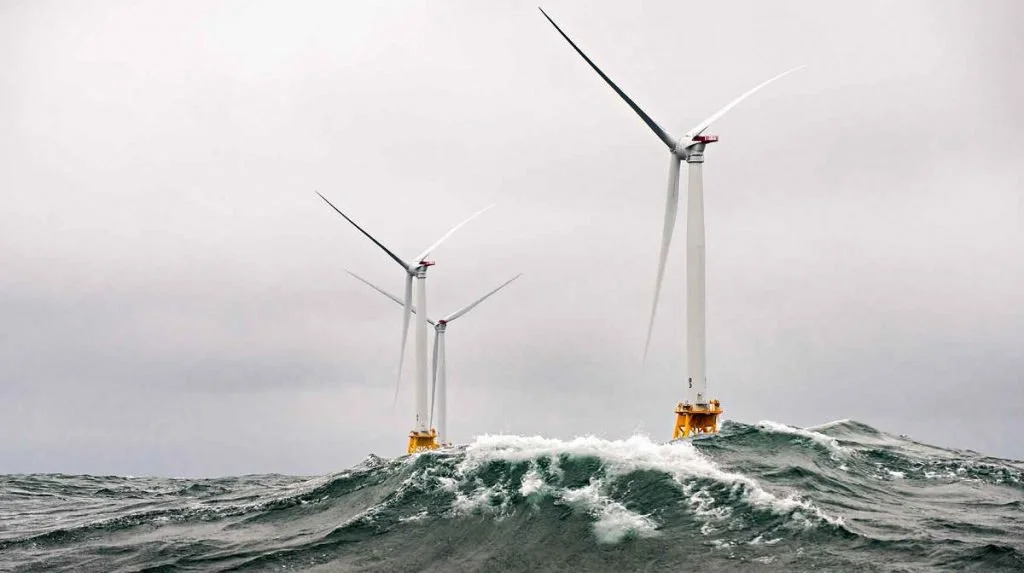
Source: Dennis Schroeder/NREL