

Syria and Iraq seek to cross borders in different ways to Iran
Read the full article here.
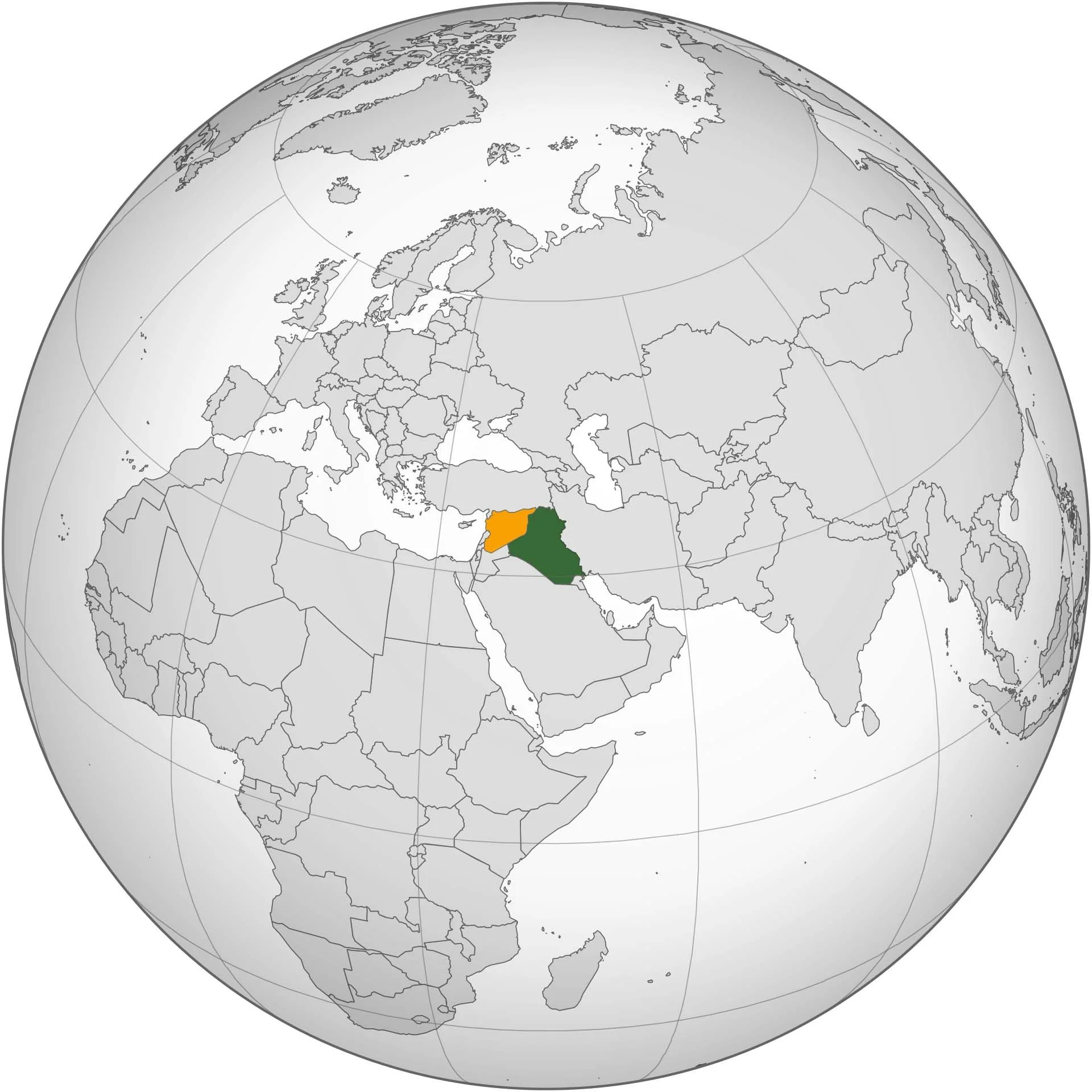
The Kirkuk-Baniyas pipeline has always represented more than an oil arrangement between Iraq and Syria, or a simple scheme for exporting crude. Its significance was evident when it was built in the 1950s, when it was shut down during the Iran-Iraq War in the 1980s, when it was revived in the final years of Saddam Hussein’s rule, and when it was damaged during the US invasion of 2003.
Last week, a Memorandum of Understanding (MoU) was signed during a business summit at the US Chamber of Commerce to revive the pipeline, as Washington seeks ways to bypass the Strait of Hormuz. The deal involves the US energy giant Chevron, TI Capital led by Ziad Ghandour, and Qatar’s UCC Holdings. It will take oil from northern Iraq’s Kurdish regions to Syria’s Mediterranean coast, with two million barrels per day (bpd) envisaged. Yet this is about more than oil.
From Iraq and Syria to Lebanon and Yemen, Tehran has long regarded borders as obstacles to be breached. The emerging project sees borders as bridges to be crossed by pipelines, electricity grids, railways, and investment. The first model was built through infiltration and the Tehran-led ‘Axis of Resistance’. It belongs to the past, if that were not yet clear to all. The second looks towards the future, seeking influence through development, shared interests, and the consolidation of states.
Any project that restores the authority of the state and links it to a network of economic interests therefore poses a direct threat to the Iranian model. Tehran and its allies will naturally regard such projects with hostility. Every barrel of oil exported through the Mediterranean instead of Hormuz diminishes Iran's strategic leverage, every route through Iraq and Syria that escapes militia control weakens Tehran's capacity for coercion, and every new port, pumping station, and electricity grid erodes the logic of war through which Iran and its "axis" have entrenched their influence.
Tehran understands that the contest now concerns more than military influence; it concerns the shape of the region itself. Will the Middle East remain a web of militias and smuggling routes, or will it become a network of energy, trade and shared interests? In short, the confrontation today is larger than a contest between a pipeline and a missile. Two models are competing for the region's future. One crosses borders with militias, the other crosses them with pipelines, energy, trade, and investment.
Source: Wikipedia