

Tanzania Shifts Energy Strategy to Power Regional Growth
Read the full article here.
At the sprawling Yashobhoomi exhibition center in New Delhi, the focus of the Bharat Electricity Summit 2026 shifted significantly toward the African horizon this week. Engineer Felchesmi Mramba, the Permanent Secretary in Tanzania’s Ministry of Energy, stood before an international audience of policymakers and investors, articulating a vision that moves beyond mere domestic sufficiency. For Tanzania, the era of energy scarcity is officially over the new priority is securing a dominant position as a regional energy exporter for East Africa.
This shift in posture is not rhetorical. Backed by the completed 2,115-megawatt Julius Nyerere Hydropower Project (JNHPP) and the active commissioning of the first phase of the Kishapu solar plant, Dar es Salaam is actively reshaping the energy architecture of the entire continent. As Tanzania pivots toward a model of interconnected grid stability, the implications for neighbors like Kenya and the broader East African Power Pool are profound, signaling an era where power trade becomes as vital as traditional commodity exchange.
The choice of the Bharat Electricity Summit as the venue for this announcement reflects a deliberate pivot in diplomatic and technological partnerships. While much of African infrastructure development has historically been dominated by Western or Chinese financing, Tanzania is signaling a deeper engagement with the Indian energy sector—an economy that has rapidly scaled its own renewable capacity to 500 gigawatts. The emphasis on smart grids and operational capacity building suggests that Tanzania is looking for partners who can help navigate the technical complexities of grid stability as it integrates more intermittent solar power.
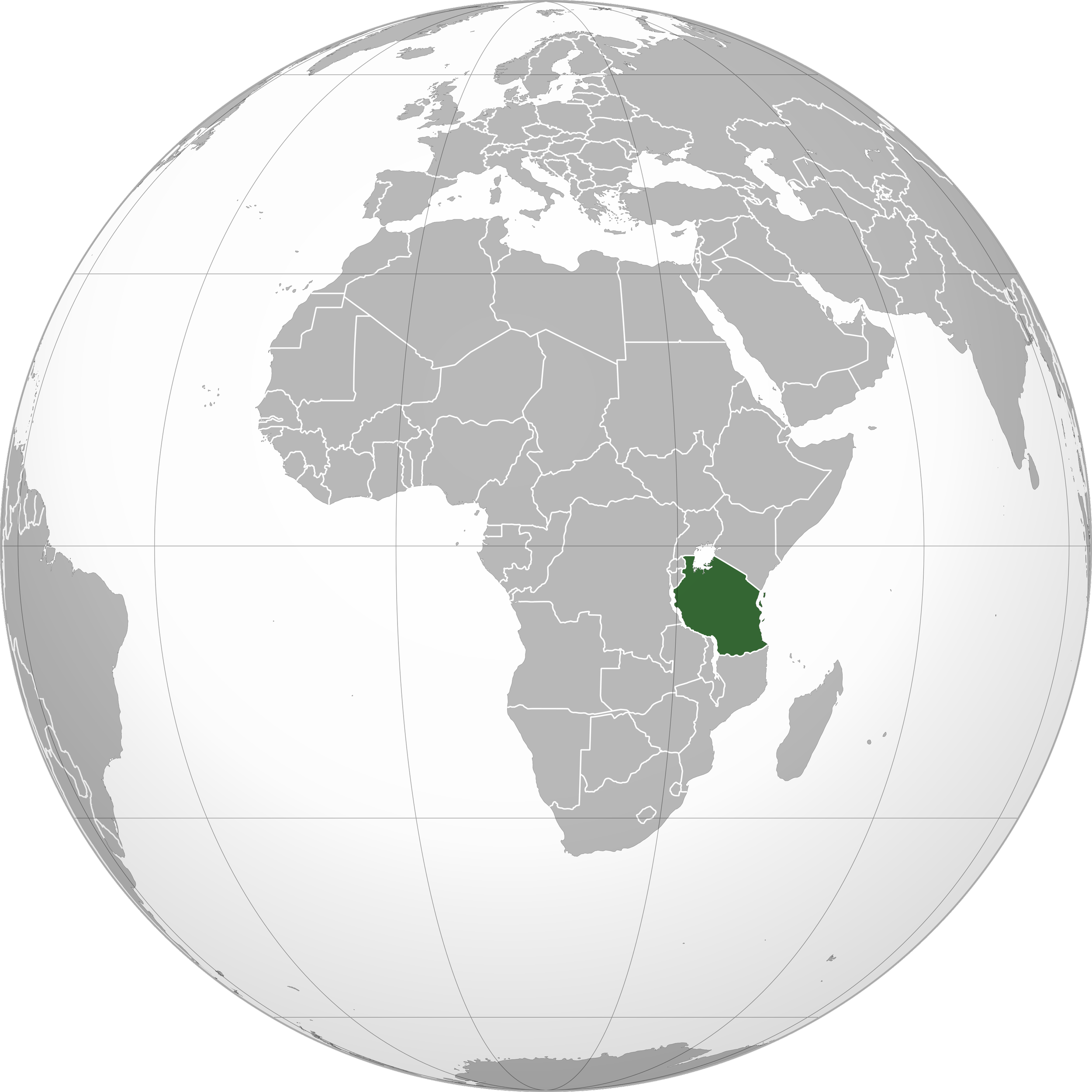
Source: Wikipedia