

Read the full article here.
Between 2026 and 2031, the Trans-Balkan Electricity Corridor can strengthen Italy’s industrial autonomy only if physical interconnection is matched by technological, financial, cyber, and maintenance sovereignty.The corridor connects Serbia, Montenegro, and Bosnia and Herzegovina with Italy, Croatia, Hungary, and Romania, converting the Adriatic into an increasingly integrated electricity-security space. The decisive vulnerability is not necessarily foreign ownership of transmission assets; it is opaque dependence on transformer manufacturers, protection relays, SCADA platforms, telecommunications equipment, proprietary software, remote-maintenance channels, and scarce replacement components.
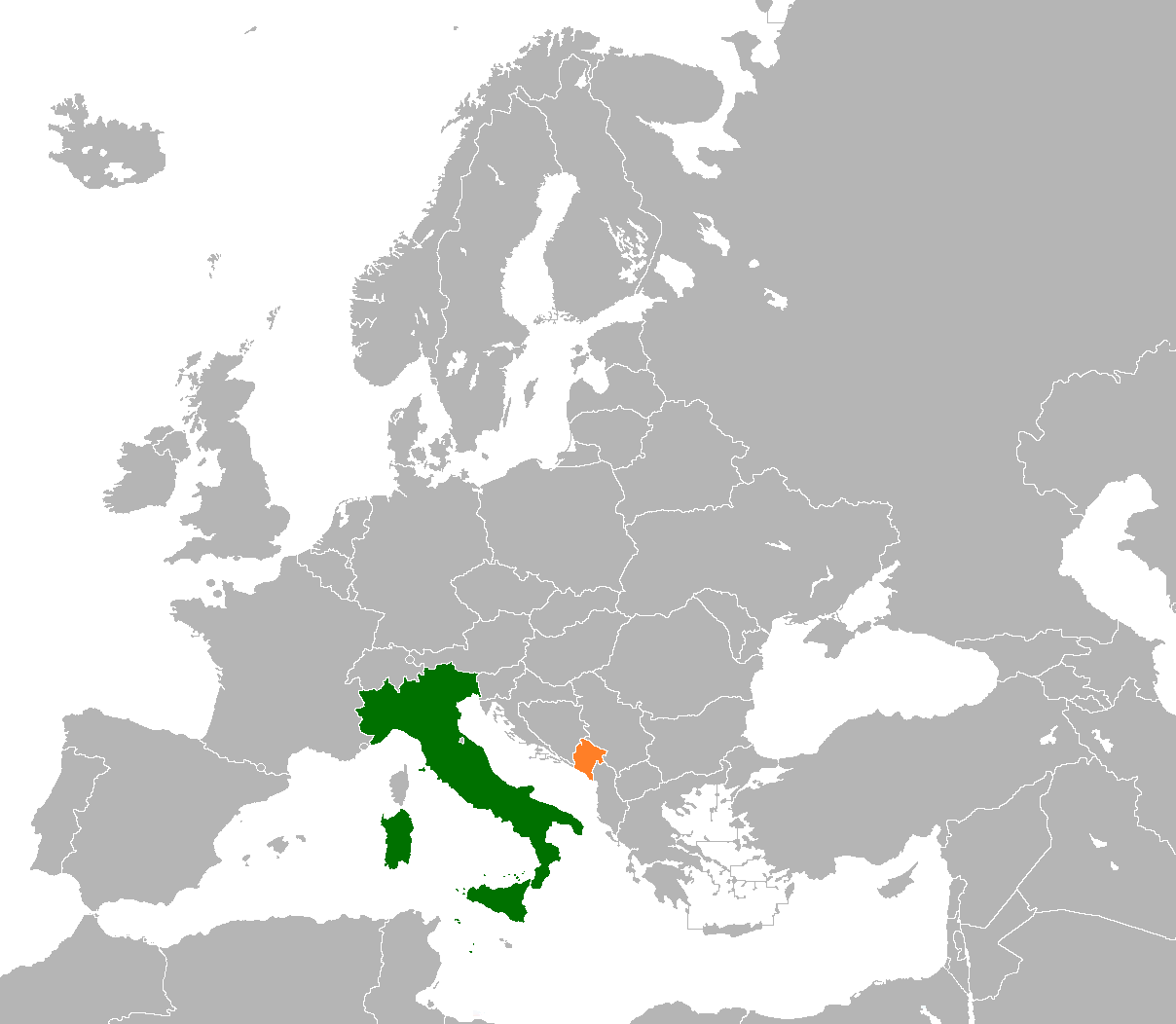
Italy’s electricity frontier no longer ends at the Adriatic coast. The 445-kilometre, 600 MW high-voltage direct-current link between Italy and Montenegro has made the Western Balkans part of the operating perimeter of the Italian power system. Yet the decisive issue is no longer the cable itself. It is the chain behind it: transmission lines, substations, transformers, software, telecommunications, lenders, shareholders and repair capacity extending through Montenegro, Serbia and Bosnia and Herzegovina. Europe is building an integrated electricity market across territories that remain institutionally, technologically and financially heterogeneous. The result can strengthen Italy’s security of supply and renewable integration. It can also create a dependence that remains invisible until a transformer fails, a cyber supplier is compromised or an inland bottleneck prevents Balkan electricity from reaching the Adriatic.
The European Commission classifies the Trans-Balkan Electricity Corridor as a Global Gateway flagship. It reports that 84 kilometres of double-circuit 400 kV line were completed in 2022, while another section between Montenegro and Bosnia and Herzegovina is under preparation.
Source: Wikipedia