

The Gambia targets universal electricity access by 2026 through regional power and gas links
Read the full article here.
The Gambia has set out an ambitious plan to achieve near-universal electricity access within the next two years, positioning regional power trade and cross-border gas developments at the centre of its energy strategy. The government aims to raise national electricity coverage to 90 per cent by the end of 2025 and reach full access by the close of 2026, according to Minister of Petroleum, Energy and Mines Nani Juwara.
With national electrification currently estimated at about 75 per cent, the country has made significant progress in recent years. However, officials acknowledge that closing the remaining gap will require a shift away from costly, fuel-oil-based generation towards regional solutions that lower costs and improve reliability. The strategy reflects how smaller West African economies are increasingly leveraging shared infrastructure and neighboring resource developments to overcome structural energy constraints.
While these initiatives address last-mile access, the backbone of The Gambia’s energy transition lies in deeper regional integration. Central to this is the West African Power Pool (WAPP), a cooperative framework involving 14 countries that seeks to link national grids into a single regional electricity market. By enabling cross-border power trade, WAPP is designed to allow countries to import electricity from lower-cost producers rather than relying solely on domestic generation.
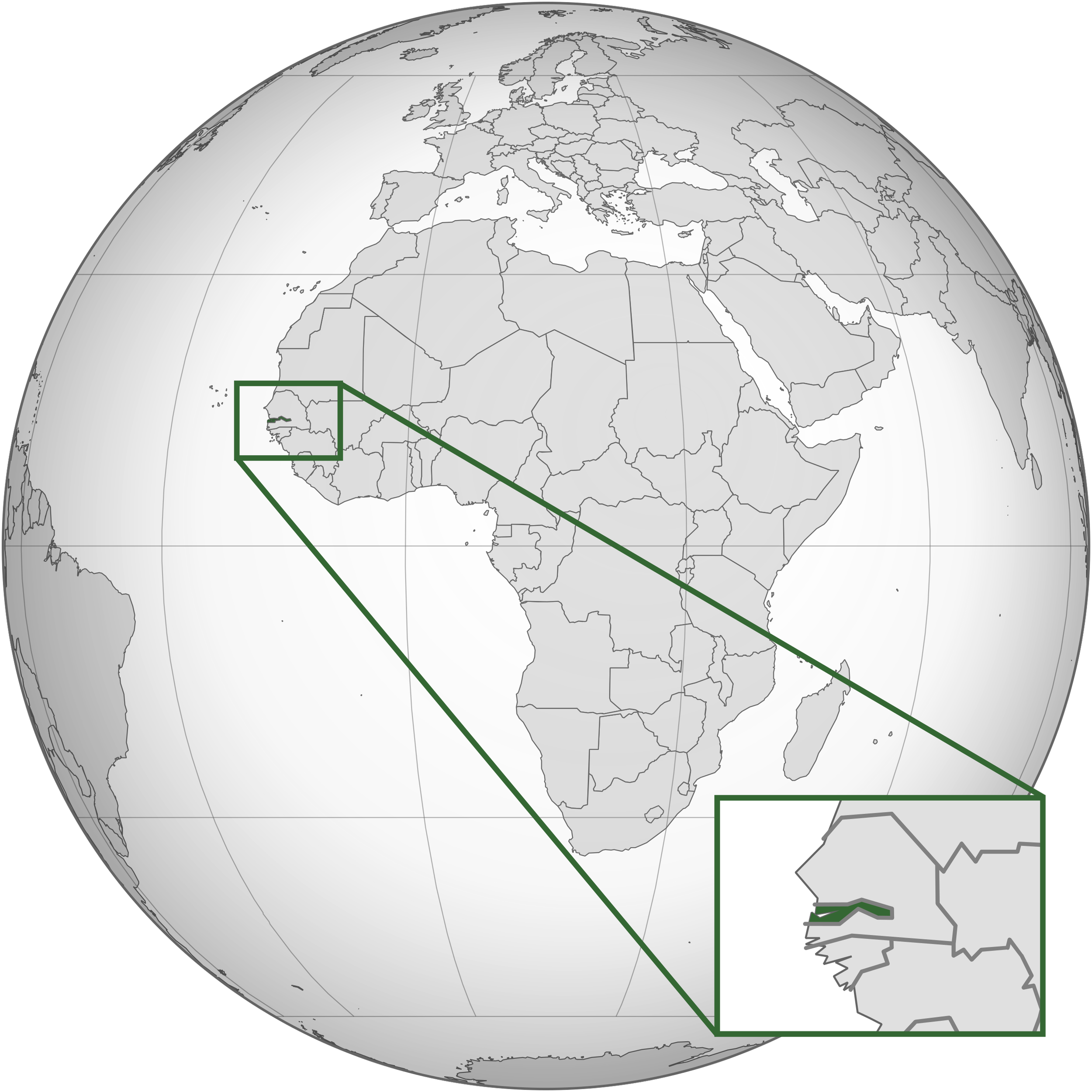
Source: Wikipedia