

Read the full article here.
Strengthening and expanding the EU Emissions Trading System (ETS) as Europe's primary decarbonization instrument will be central to bolstering the region's energy independence. Since its introduction in 2005, the system has delivered meaningful results in the power sector, reducing emissions by -54% and cutting power generation from fossil sources by -47% (Figure 3 in the pdf). These reductions have significantly reduced Europe's coal dependence, with coal imports falling by -58% between 2005 and 2024.
The primary bottleneck to a rapid, full renewable transition in Europe is the inflexibility of the power grid. Congestion and limited flexibility amplify intraday volatility (i.e. high prices at peaks, negative prices off-peak) while shifting costs from the network into the bill . In Germany alone, compensation for renewables reached EUR21bn in 2024. Congestion costs are projected to reach EUR12.3bn by 2030 and EUR56.7bn by 2040 without upgrades, translating into implied price shocks of +22% by 2030 and up to +103% by 2040 in a business-as-usual pathway.
Resilience now requires fixing structural weaknesses in market design and delivering a best-in-class power grid.
2040 should be the target for a robust EU strategic autonomy on energy. Europe will achieve energy autonomy once it can heat homes and power industrial production primarily with renewables, using electricity where possible, green hydrogen where needed and bridging remaining gaps with a diversified portfolio of independent and long-term stable energy sources.
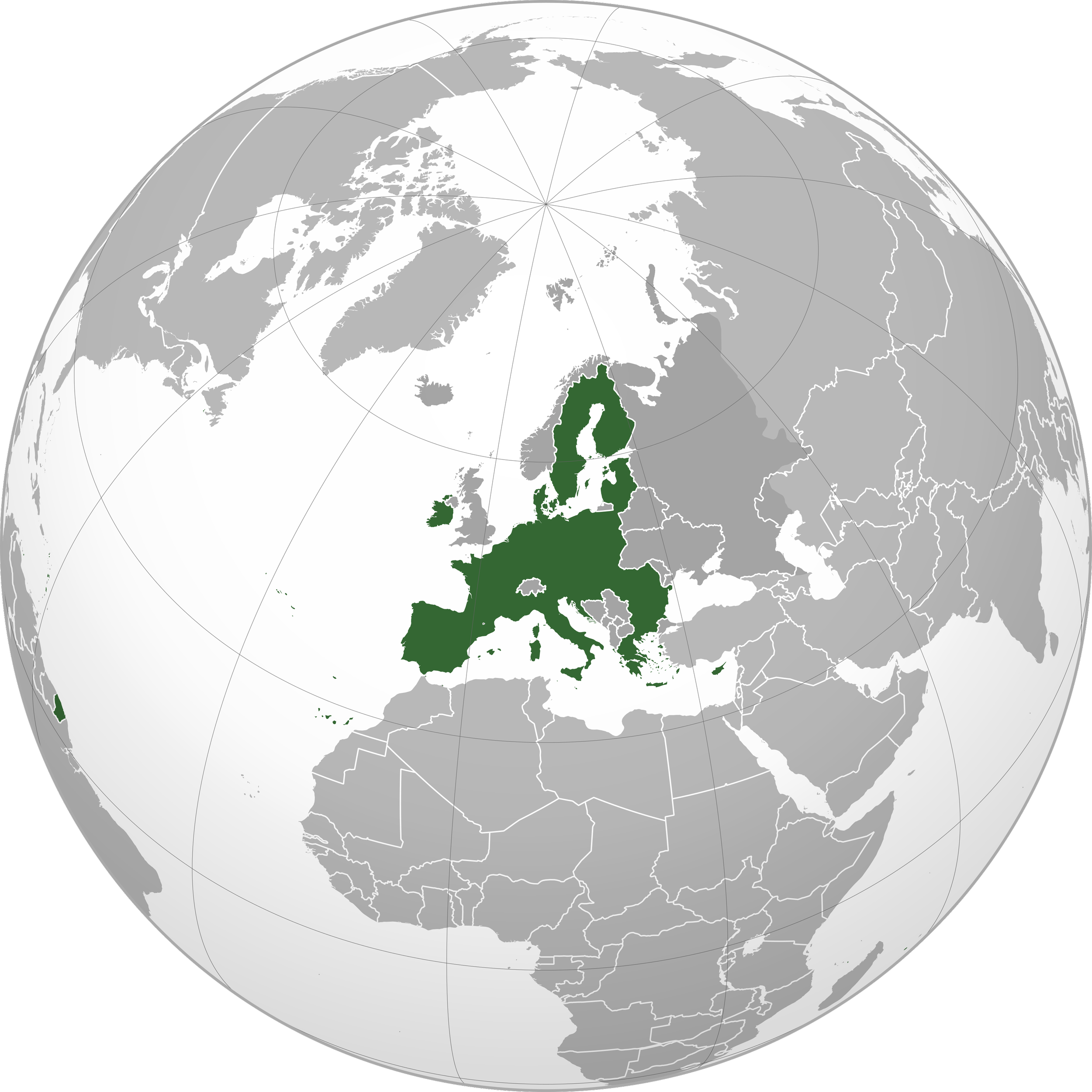
Source: Wikiedia