

Read the full article here.
High-voltage direct current transmission used to look like a specialist technology reserved for unusually long lines, subsea links or awkward grid problems. That is changing. In a recent Redefining Energy conversation, Cornelis Plet, CTO of Grid Systems Integration at GE Vernova, described HVDC as something that is moving into the normal transmission planner’s toolbox rather than sitting off to the side as an exotic developer proposal.
The clearest sign is physical standardization. Plet says the European market is converging on 2 GW, 525 kV HVDC as a repeatable building block, with common converter configurations and bipolar designs. Other regions are developing their own patterns, including 3 GW projects in the United States and India. Repetition at that scale matters because manufacturers, cable suppliers, transformer factories and project developers can build around a product family instead of treating every project as a fresh engineering exercise.
The catch is that the electrical system around those increasingly standard boxes is not standardizing nearly as quickly. As conventional generators retire and more generation connects through power electronics, transmission systems have to do more than move bulk electricity from one place to another. The converters themselves increasingly have to contribute to grid stability.
Grid-forming controls are therefore becoming part of requested HVDC functionality, but Plet was careful about the state of the standards. There is not yet one coherent global definition of how those controls should behave. Requirements differ by grid code and region, which means vendors maintain different implementations and utilities still have to work through how those systems interact.
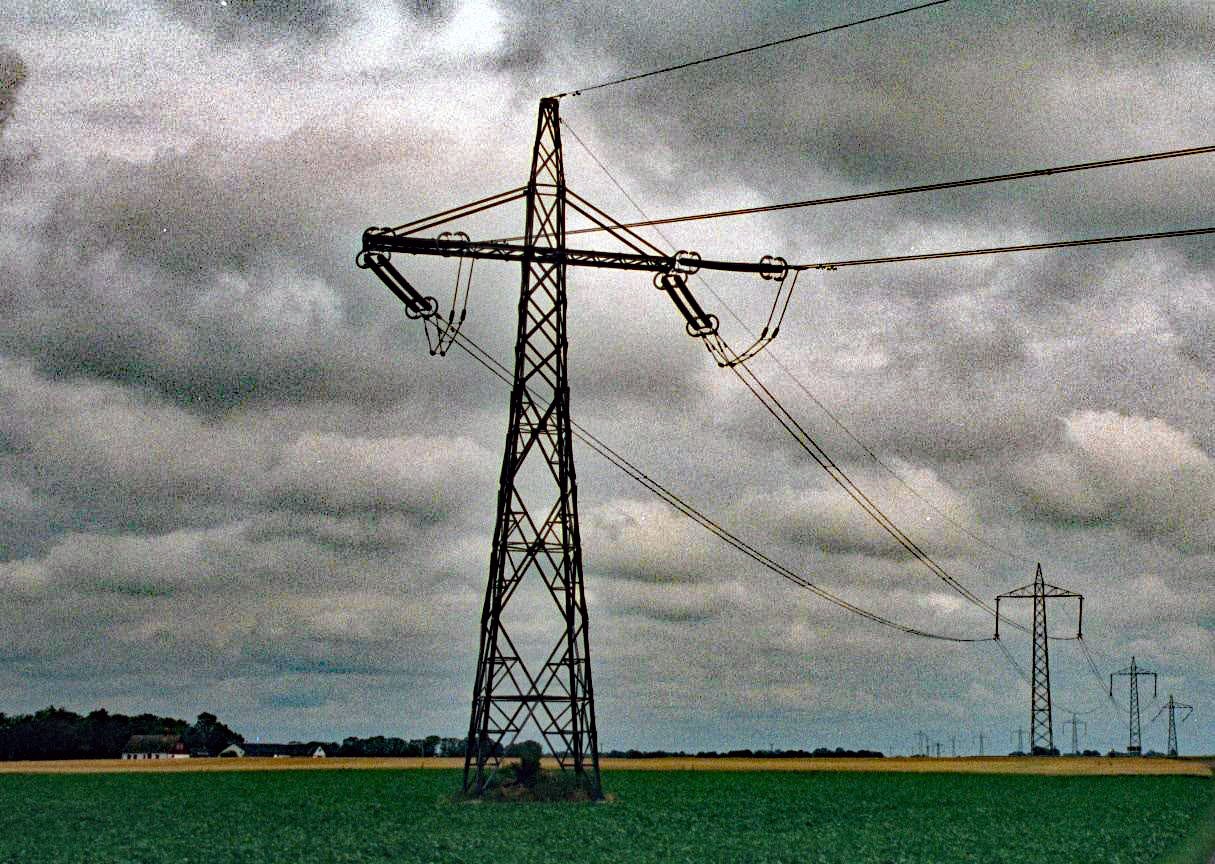
Pylons of the Baltic Cable HVDC in Sweden. Source: Wikipedia