

Read the full article here.
Energy sits at the heart of modern life, quietly powering our homes, hospitals, schools, and industries. But we only truly notice it when it stops. When energy systems fail, everything Recent conflicts have driven renewed volatility in global oil and gas markets. While we cannot predict exactly how prices will fluctuate in the coming months, that unpredictability is precisely the point. It underscores why we must insulate economies from price shocks by building grids that rely on renewables and flexible power.
In 2025, renewable energy surpassed coal globally (1) as a source of electricity generation. In China, more than 60% of new power generation comes from wind and solar, while across Europe, renewables now produce more electricity than fossil fuels. This shift is driven by economics, not ideology. Solar and wind are the cheapest sources of electricity the world has ever seen. They scale quickly and improve energy independence. Despite political noise, the transition is moving forward because markets and technology are driving it.
The real question we face today is not whether renewables will dominate our power systems, but rather are our power systems ready for that reality.
In systems with high renewable penetration but insufficient flexibility, we see rising curtailment, extreme price volatility, and grid instability. In the UK alone, renewable curtailment cost more than £1 billion last year (2), while Chile wasted 19% of its solar and wind generation in 2024 (3). These are not failures of renewable energy. They are failures of system design. The solution is not to slow down the transition, but to design it properly.
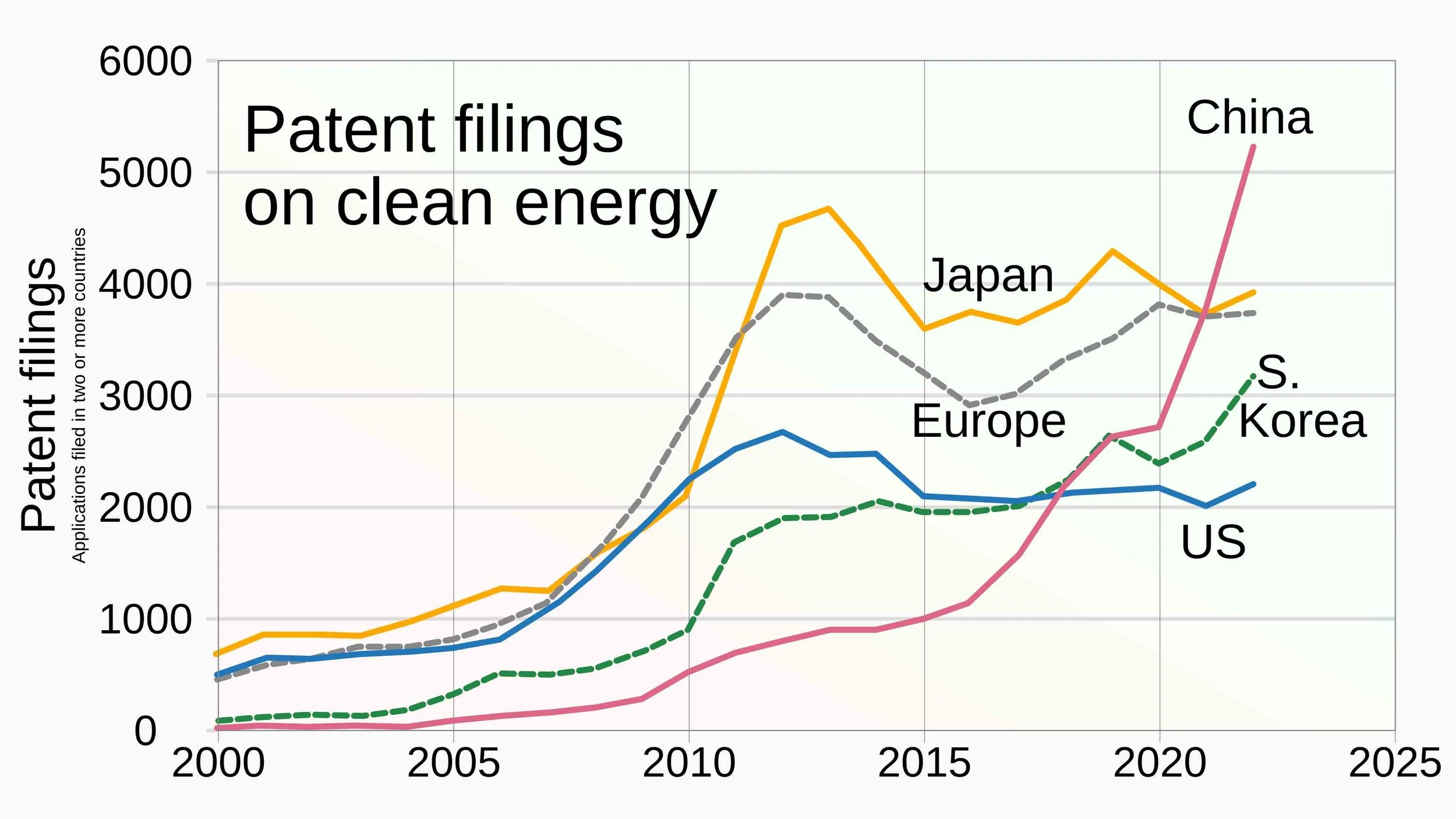
Source: Wikipedia