

3 lessons from Asia-Pacific on regional cooperation in a fragmented world
Read the full article here.
“Fragmentation” has become a geopolitical watchword in recent years, with global institutions such as the International Monetary Fund warning of the increasing danger and costs (over $7 trillion) of a more segmented and fractious global landscape.
While the forces of fragmentation have intensified in recent years, especially regarding technology, finance and trade, cooperation has not ended. This is one of the central issues explored in the World Economic Forum and McKinsey’s 2026 Global Cooperation Barometer. The barometer assesses cooperation across five key pillars: trade and capital; innovation and technology; climate and natural capital; health and wellness; peace and security. Its findings indicate how cooperation is evolving from multilateral toward minilateral arrangements, highlighting how “cooperation among smaller groups of countries has persisted as economies continue to find value in working with each other through pragmatic, agile, interest-based partnerships”.
The Asia-Pacific region is one of the clearest examples of this shift, where regional cooperation is increasingly taking a practical form. Despite the headwinds to global economies, the region is expected to grow by 4.4% this year. This resilience is in part driven by strong intra- and inter-regional cooperation. Last year, intraregional trade accounted for 53% of the region’s merchandise exports and 56% of its imports, with Asia-Pacific Economic Cooperation’s 21 member economies accounting for around half of world trade. Integration in Asia-Pacific makes the region a crucial test case of how cooperation is being reconfigured towards more regional and flexible forms of collaboration.
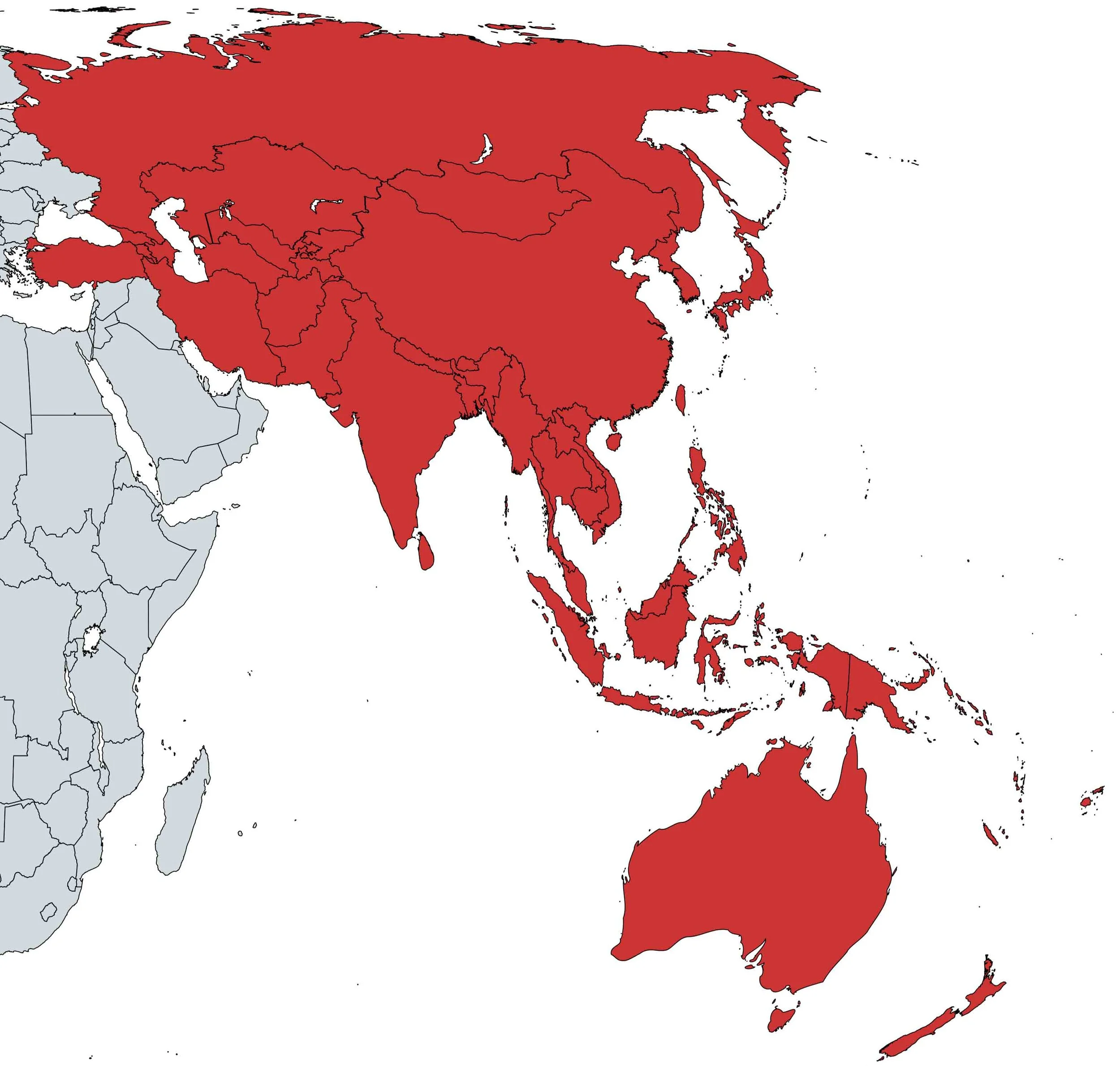
Source: Wikipedia