

Nepal disaster: Four lessons India, China, and Nepal must learn
Read the full article here.
The devastating flood in the Bhotekoshi and Trishuli rivers in Nepal’s thinly populated (48,000) Rasuwa district has killed hundreds and destroyed some of the region’s most beautiful traditional villages, urban settlements, tourist spots, trade routes, social infrastructure, roads, bridges and hydel power projects.
The recent flash flood was an extraordinary, diabolical recurrence of the July 8, 2025 devastation in exactly the same area. This vertical tsunami has triggered four new debates across the fragile Himalayan region.
Borders don’t hold against nature
First, the border as a geometric line — whose breach by another sovereign nation is considered the uppermost national security concern — is clearly not respected by natural disasters. Amid speculation over the Nepal deluge’s origin, scientists and glaciologists have now confirmed that the flood was caused by an avalanche and glacial collapse on the Chinese side of the glaciers near Langtang Lirung.
Thus, the borderland needs to be treated as a distinct, complex space. Nation states can no longer afford dependence-generating diplomacy in terms of sharing information and expertise. Interdependence — in data sharing, joint studies, institutional collaboration, non-sovereignty-centric treatment of climate change impact, and a close inter-governmental early warning framework — has become central.
Second, the flood’s damage to over 15 hydro projects of varying capacities along the Trishuli, and the downstream exposure it triggered, could cause huge national-to-transborder environmental damage. Cascading effects within Nepal, China and India, and further downstream in Bangladesh, have hit the national and public psyche hard, and could disrupt cross-border energy trading and regional power pools, causing acute energy insecurity.
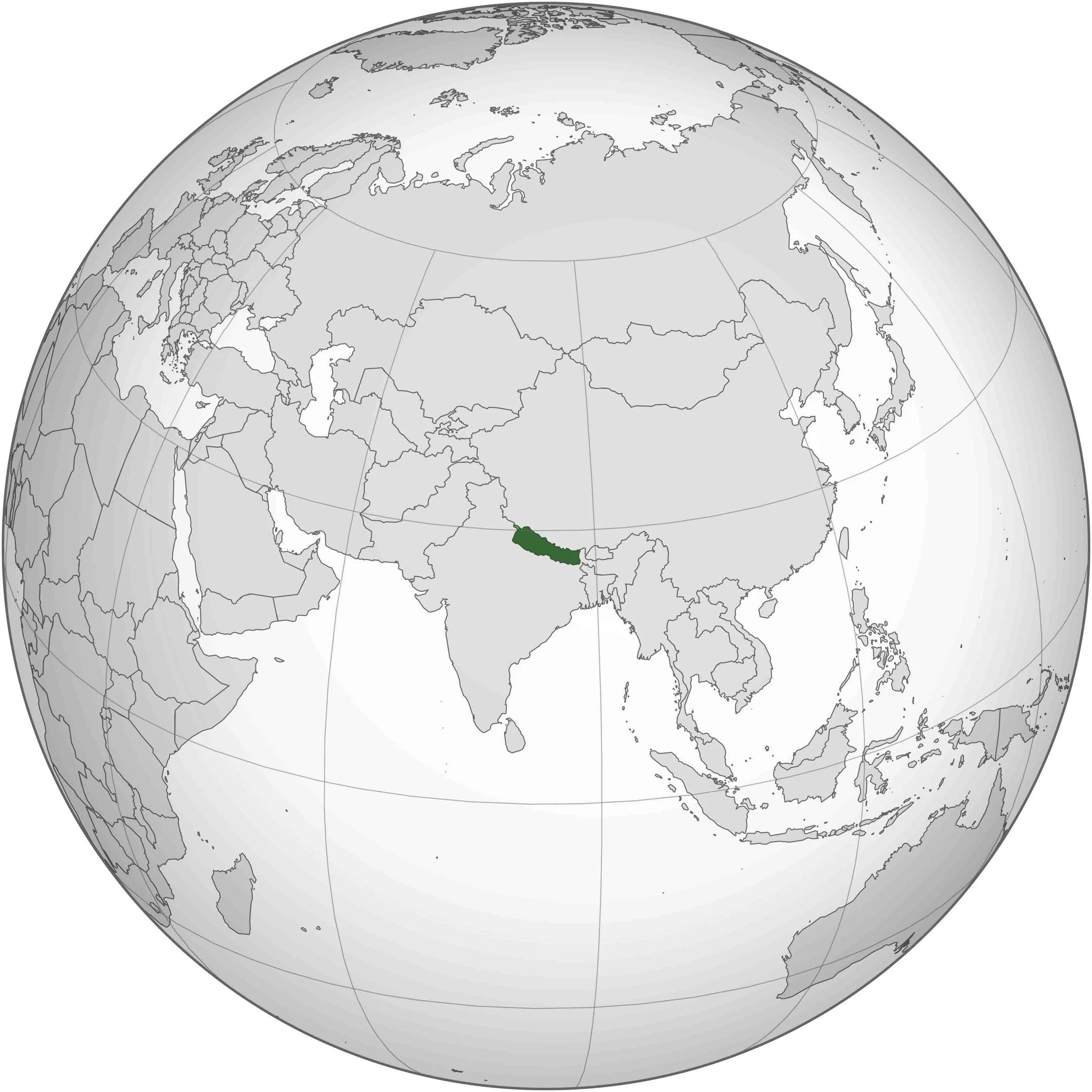
Source: Wikipedia