

Read the full article here.
For years, Asia’s renewable energy transition has been defined by familiar players. China dominates clean-energy manufacturing, India has become a solar powerhouse, and countries such as Vietnam and Indonesia have pursued ambitious energy-transition plans.
Now the Philippines, which relies almost entirely on imported crude oil and refined petroleum – recently exacerbated by skyrocketing fuel prices driven by the Gulf War – is emerging as one of the region’s fastest-growing renewable energy markets. To combat the economic strain, the government recently declared a state of national energy emergency.
Recent data from global energy think tank Ember shows the Philippines has overtaken Pakistan as China’s second-largest export market for solar panels, next to the Netherlands, a key import hub for much of northwest Europe. More than 4,000 megawatts (MW) of Chinese solar panels entered the country during the first four months of 2026 alone, including over 3,000 MW in March and April.
In an analysis released in late May, Ember noted that China has also begun exporting solar cells – the basic building blocks of solar panels – to the Philippines, with imports reaching US$292 million (about P18 billion) from October 2025 to March 2026, up sharply from almost zero in previous periods, based on the latest China trade data cited.
At the same time, the government is pushing one of Asia’s most ambitious offshore wind programs, attracting billions of dollars in prospective investments from international developers.
The surge reflects a combination of economic necessity, energy security concerns, policy reforms, and rapidly declining renewable energy costs.
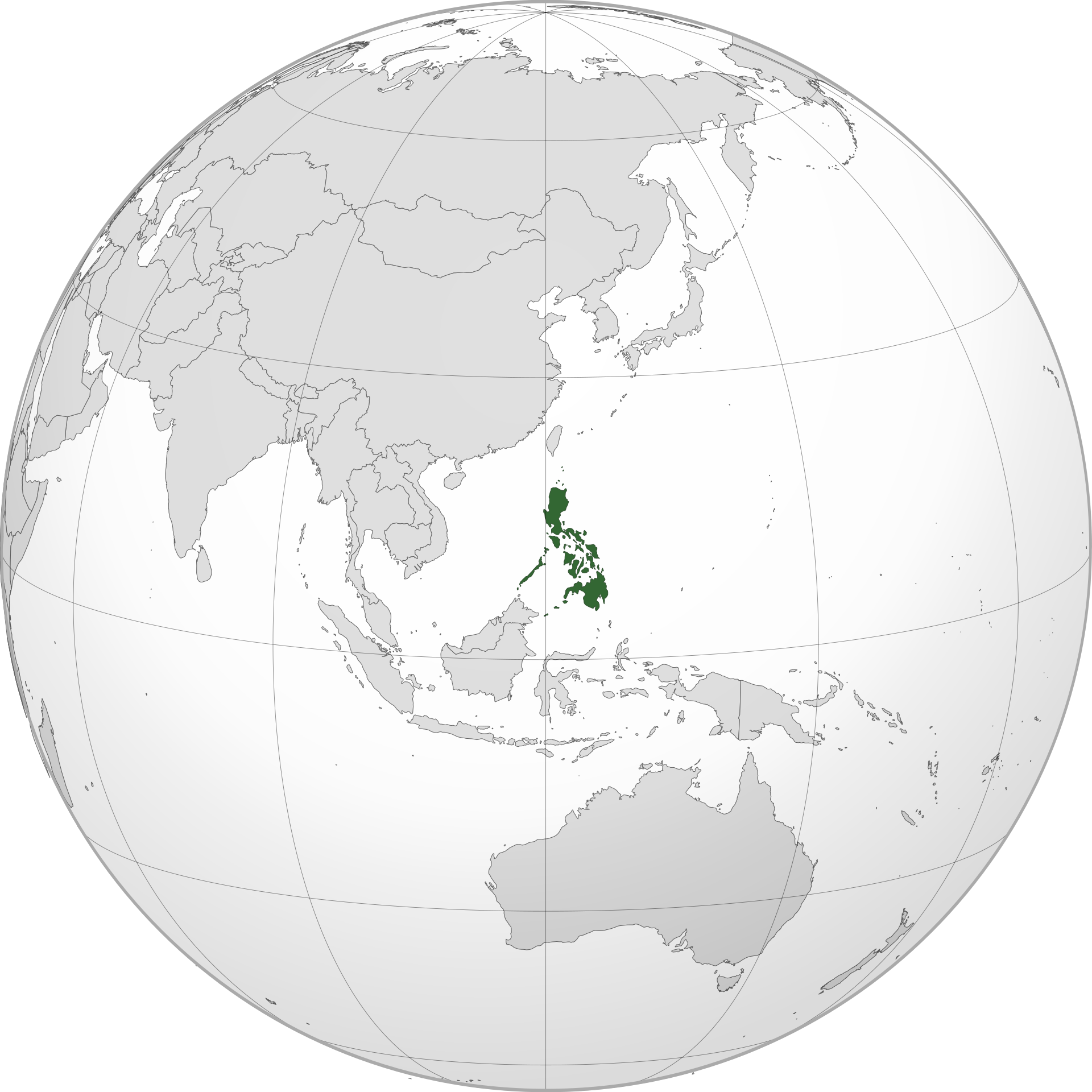
Source: Wikipedia