

Read the full article here.
High in Kyrgyzstan’s Tien Shan mountains, the Naryn River sustains farms hundreds of miles downstream in summer and offers potential relief from chronic winter electricity shortages upstream. It is here—amid some of the region’s most dramatic landscapes—that the Kambarata-1 dam is planned.
Kyrgyzstan is often called the “Switzerland of Central Asia,” not only for its striking terrain but also for its abundance of water. For decades, that geography has been both an asset and a source of tension.
Perhaps unthinkable only a decade ago, Kambarata-1 is a joint project between Kyrgyzstan, Kazakhstan, and Uzbekistan—evidence of how far regional thinking has evolved. Yet the underlying dilemma remains: how to manage water and energy that cross borders but serve competing national needs.
Yet cooperation on paper is not the same as durable governance in practice. Kambarata-1 is not just an energy investment—it is a test of whether Central Asian states can build durable institutions to govern shared resources.
The dam itself is unlikely to determine the project's success or failure. The real question is whether Kyrgyzstan, Kazakhstan and Uzbekistan can move beyond political declarations and create durable rules for coordinating water and energy across borders.
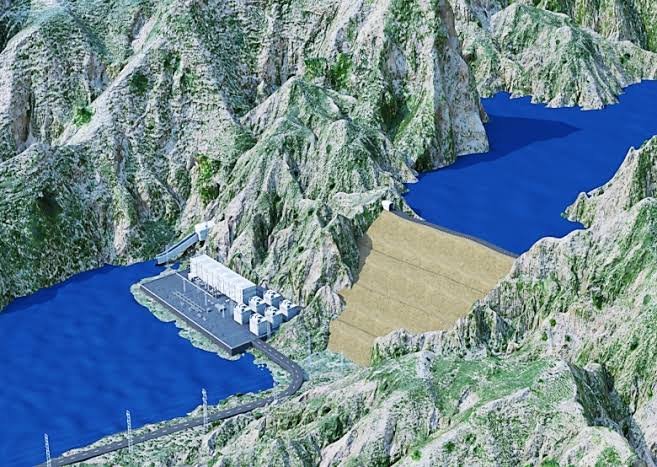
Source: KYRGYZ Ministry of Energy