

Iran's Qatar power link exposes a deeper energy dilemma
Read the full article here.
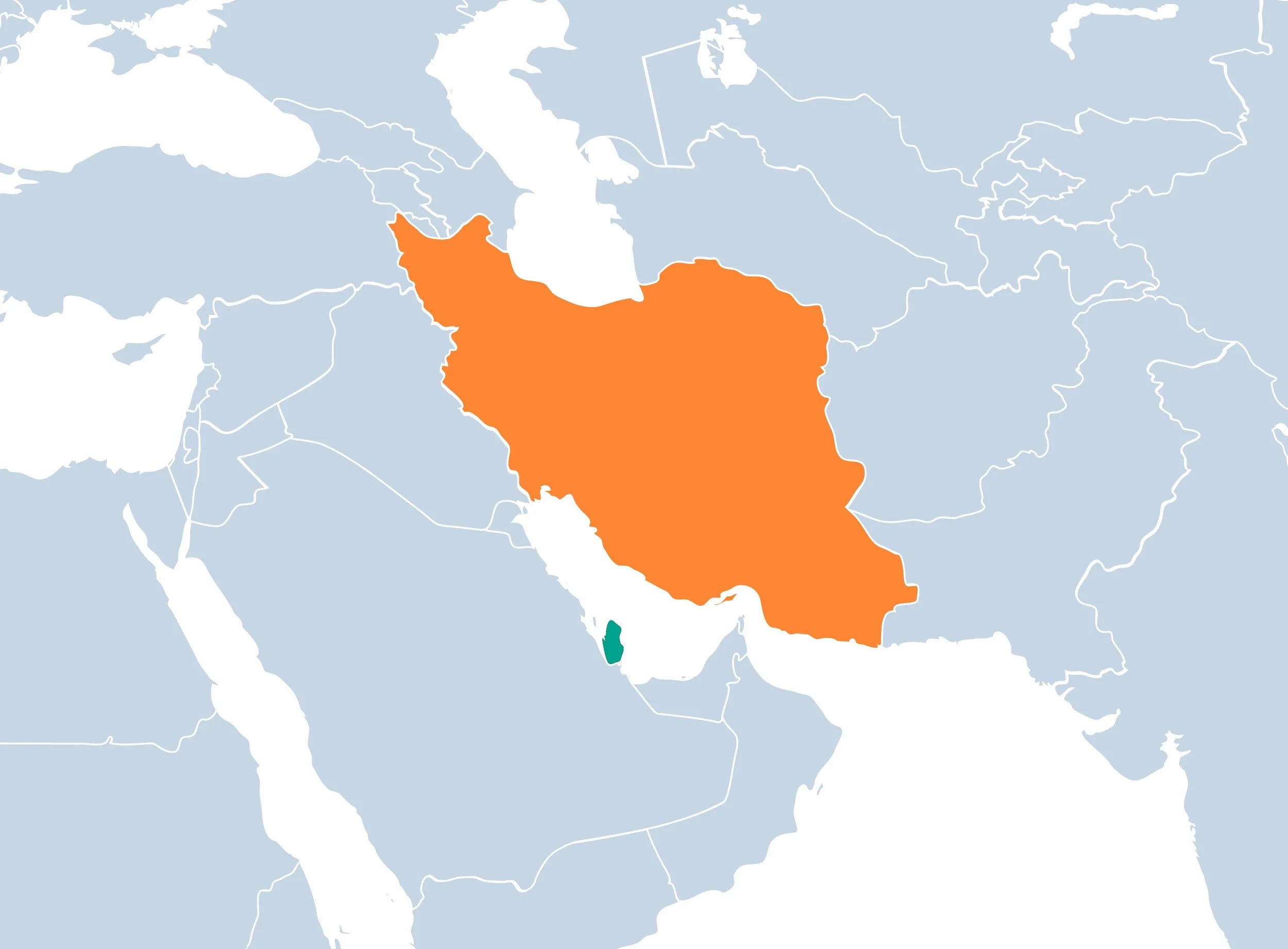
On June 16, Energy Minister Abbas Aliabadi announced that studies for a power-grid connection between Iran and Qatar were nearing completion and that implementation was beginning.
The project revives a 2022 memorandum of understanding signed during President Ebrahim Raisi's visit to Doha, which envisaged electricity exchanges of up to 1,000 megawatts through a subsea link.
The announcement comes as Iran grapples with a deepening electricity crisis, sanctions pressure and vulnerabilities exposed by recent conflict involving Iran, Israel and the United States.
An Iran-Qatar electricity link could provide benefits for both countries. Cross-border interconnections can improve grid stability, reduce reserve requirements and provide emergency support during disruptions. Over time, they may also help integrate renewable energy by balancing supply across larger networks.
The technical challenges are significant but manageable. A subsea high-voltage connection would require substantial investment, converter stations, cybersecurity protections and close operational coordination. The larger obstacles may be political and financial.
US sanctions could deter banks, insurers and international engineering firms from participating in Iran-linked infrastructure projects. Broader Gulf integration would face additional political hurdles after years of regional tension.
Source: Wikipedia