

ASEAN Power Grid: Gleaning Best Practices from Worst Cases
Read the full article here.
As Southeast Asia focuses on building the ASEAN Power Grid, there will be a higher chance of success if interconnections are designed to be modular and embedded within a broader regional integration agenda.
There is growing regional momentum towards the realisation of the ASEAN Power Grid (APG). The grid, which is a major initiative to link up Southeast Asia’s electricity networks, has at least six subsea and overland interconnection projects at various levels of implementation or negotiation (Table 1). Due to high levels of optimism, conversations about the APG have focused on the need to glean lessons from best practices from more advanced regional grids in Europe or South Africa. This is a logical approach — doing things right requires learning from good examples. Yet, what has been missing from the discussion is the need to consider worst practices — how to avoid mistakes.
In this context, the ever-expanding graveyard of energy megaprojects holds two key lessons for the APG: first, implement scalability and modularity — break up a big project into smaller parts that can operate independently. Second, embed interconnection projects within a broader vision of socio-economic integration — instead of focusing narrowly on energy trade, the narrative can be expanded to include regional development, including broader impacts on domestic economies.
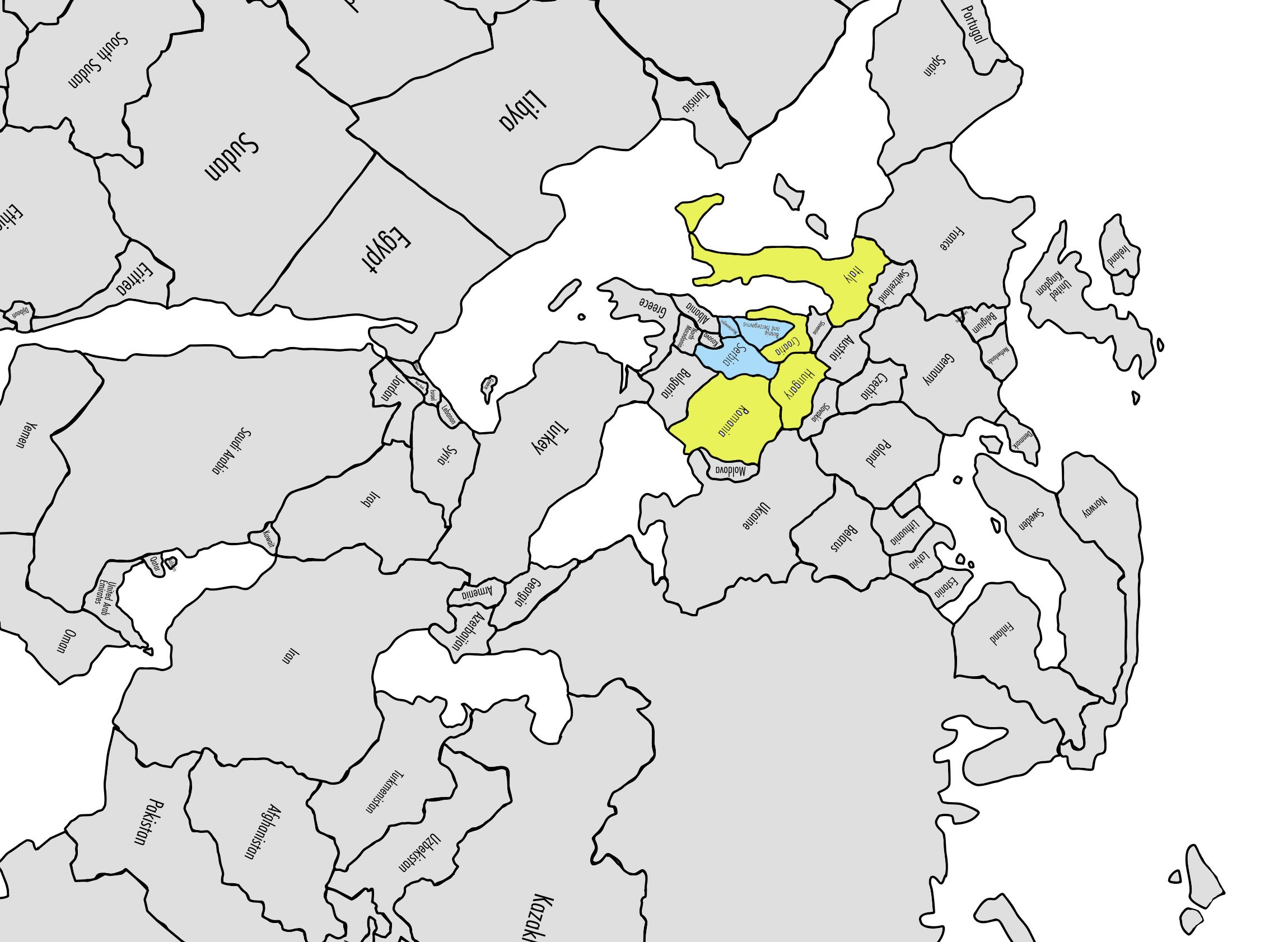
Trans-Balkan Electricty Corridor Countries | Source: World Grid Project