

Botswana Oman 500MW Solar Partnership Transforms Regional Energy Security
Read the full article here.
The recent critical minerals energy transition demonstrates how cross-continental energy partnerships are fundamentally reshaping how African nations approach energy security and economic diversification. The traditional model of bilateral infrastructure agreements between neighbouring countries is giving way to strategic alliances that span continents, bringing together resource-rich African nations with Gulf sovereign wealth funds seeking geographic diversification. These partnerships represent more than simple project financing arrangements; they create integrated frameworks for technology transfer, operational expertise, and long-term economic cooperation that can transform entire regional energy markets.
Botswana's electricity infrastructure faces critical capacity constraints that threaten long-term economic growth across multiple sectors. The country's installed generation capacity of approximately 1,400-1,500 MW relies heavily on the aging Morupule B coal-fired power station, which frequently operates below its designed capacity due to maintenance challenges and infrastructure limitations. This capacity shortfall forces Botswana to import 60-70% of its electricity from South Africa through the Southern African Power Pool, creating vulnerability to grid instability and external price fluctuations.
The economic implications extend beyond simple supply security. Furthermore, Botswana's annual electricity import costs exceed $300-400 million USD, representing substantial foreign exchange outflows that could be redirected toward domestic infrastructure development. Projected demand growth of 4-6% annually through 2030, driven by urbanisation and mining sector expansion, will exacerbate these challenges without significant capacity additions.
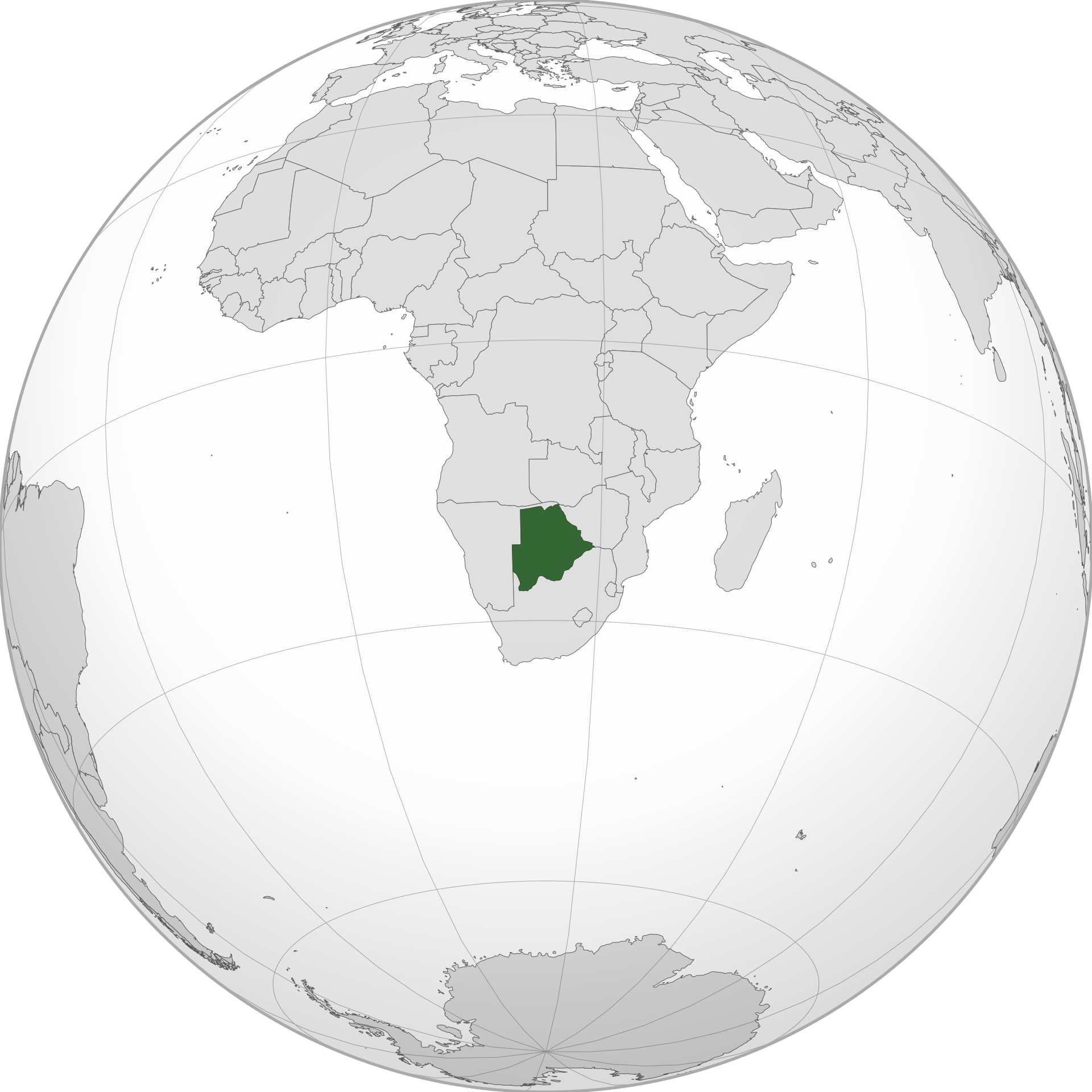
Source: Wikipedia