

The War Against Iran and the Fragility of Southeast Asia’s Energy Responses
Read the full article here.
The US-Israeli war against Iran has underscored Southeast Asia’s vulnerability when it comes to energy supplies. But regional countries need to think beyond stopgap measures.
Indonesia, Laos, and Thailand have introduced programmes to foster renewable energy. Unfortunately, the programmes represent little beyond the acceleration of existing initiatives, with the exception of Vietnam. ASEAN Economic Ministers issued a joint statement on 13 March, underscoring the need to strengthen energy resilience. However, the statement mainly reaffirmed previous commitments, falling short of introducing any bold or breakthrough initiatives.
As Southeast Asia navigates this tumultuous episode, it is imperative to complement short-term measures with bold action to build long-term energy resilience, defined as the ability to survive and quickly recover from extreme and unexpected disruptions. Several issues deserve urgent attention. First, new investment strategies are needed to expand oil refining and stockpiling infrastructure, particularly in import-dependent countries with limited refining capacity or low reserves. At the regional level, the ASEAN+3 initiative to develop the ASEAN Oil Stockpiling Road Map should be accelerated and expanded.
Second, ASEAN should expedite the deployment of renewable energy. Beyond aspirational goals, it is time for ASEAN to explore enforceable, feasible and viable renewable energy commitments. Lastly, efforts must be stepped up to promote cross-border electricity trade among ASEAN countries. In this regard, regional connectivity initiatives such as the Brunei Darussalam–Indonesia–Malaysia–Philippines Power Integration Project (BIMP-PIP) and the operationalisation of ASEAN Power Grid should be accelerated.
The current energy crisis has exposed the vulnerability of Southeast Asia’s energy supplies. Policy responses focusing on stopgap interventions will only deepen that fragility. Regional countries need to think in longer time horizons.
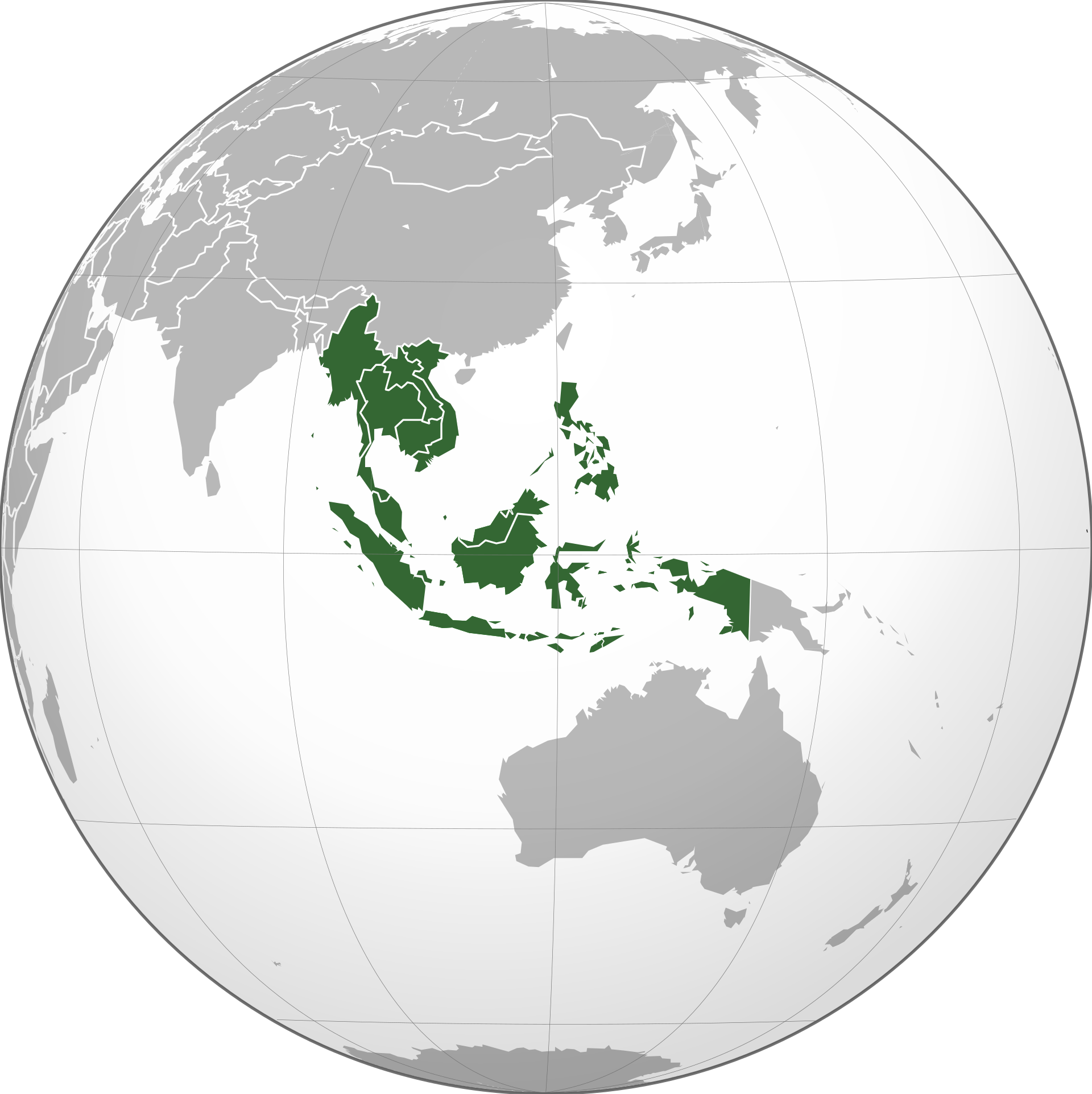
Source: Wikipedia