

Catastrophic Flood Exposes the Risks of Nepal’s Hydropower Bet
Read the full article here.
The blast of earth, water and ice that rushed through a region of Nepal knocked out more than a tenth of the country’s hydropower capacity within minutes, striking at an industry Nepal has made central to its economic future.
The floods in the Bhotekoshi and Trishuli valleys damaged or destroyed 14 hydroelectric projects, including six under construction. After the deluge on Wednesday, 431 megawatts of generating capacity had gone dark, according to the Nepal Electricity Authority — more than 12 percent of the country’s total capacity.
The toll was far greater when including projects under construction. Counting those plants, now halted or in some cases swept away, would roughly double the capacity lost. Among them was the Trishuli-1 project, where 63 Indians were rescued from a construction tunnel and more than 100 workers remain unaccounted for.
The destruction was part of a much larger human catastrophe. More than 600 people were killed, more than 2,400 remained missing, and 93,000 needed assistance.
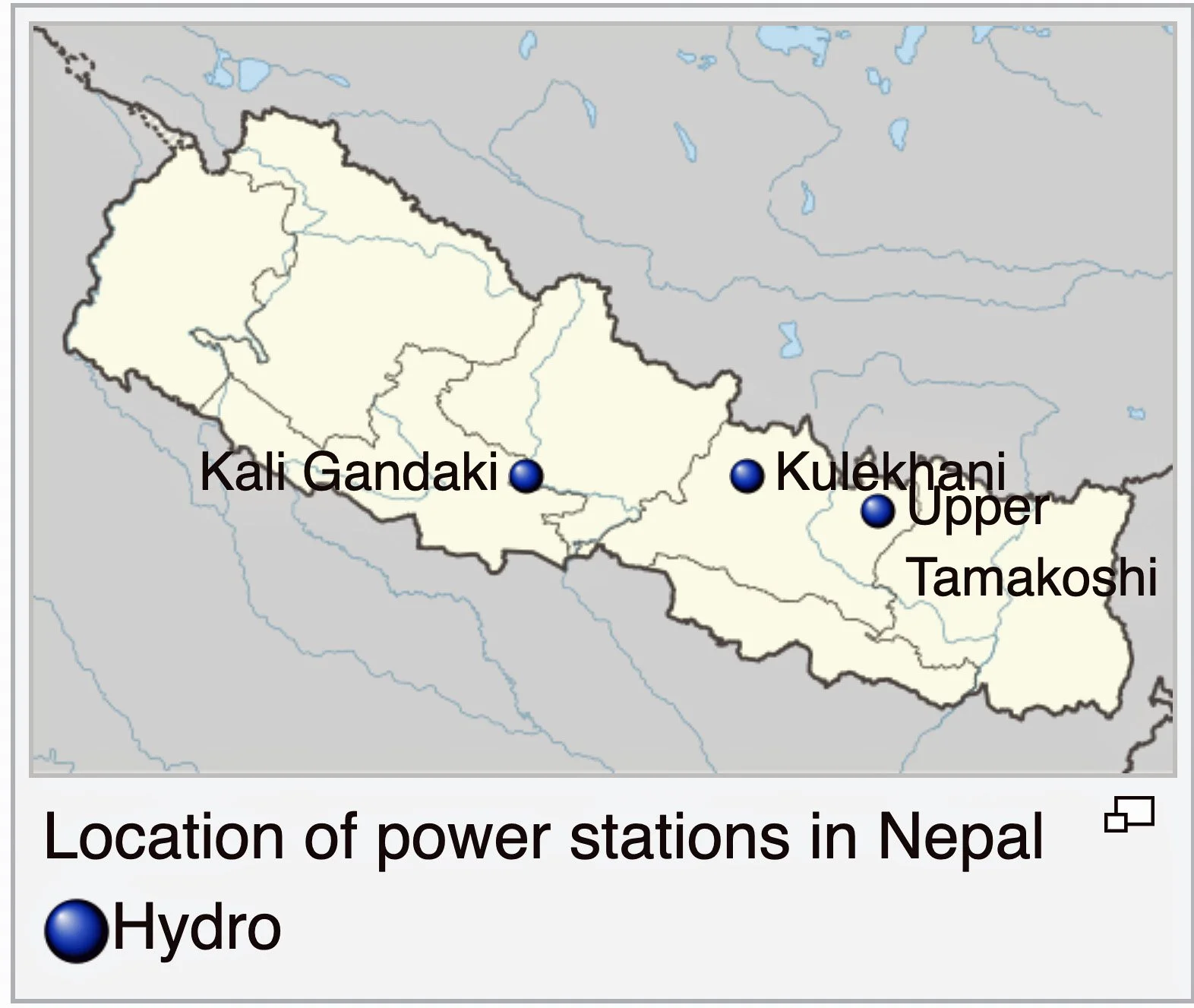
But the loss of so much hydropower infrastructure also exposed a vulnerability at the heart of Nepal’s economic development strategy. The country is betting heavily on the rivers plunging from the Himalayas to turn itself into a major producer and exporter of renewable electricity. Companies from India, China and elsewhere have rushed into the sector in recent years.
Source: Wikipedia