

Central Asia finds strength in integration
Read the full article here.
Central Asia is entering a new geopolitical phase – one defined not by external domination, but by internal coordination and strategic choice. This evolution is unfolding amid intensifying great-power competition and the growing influence of regional and middle powers.
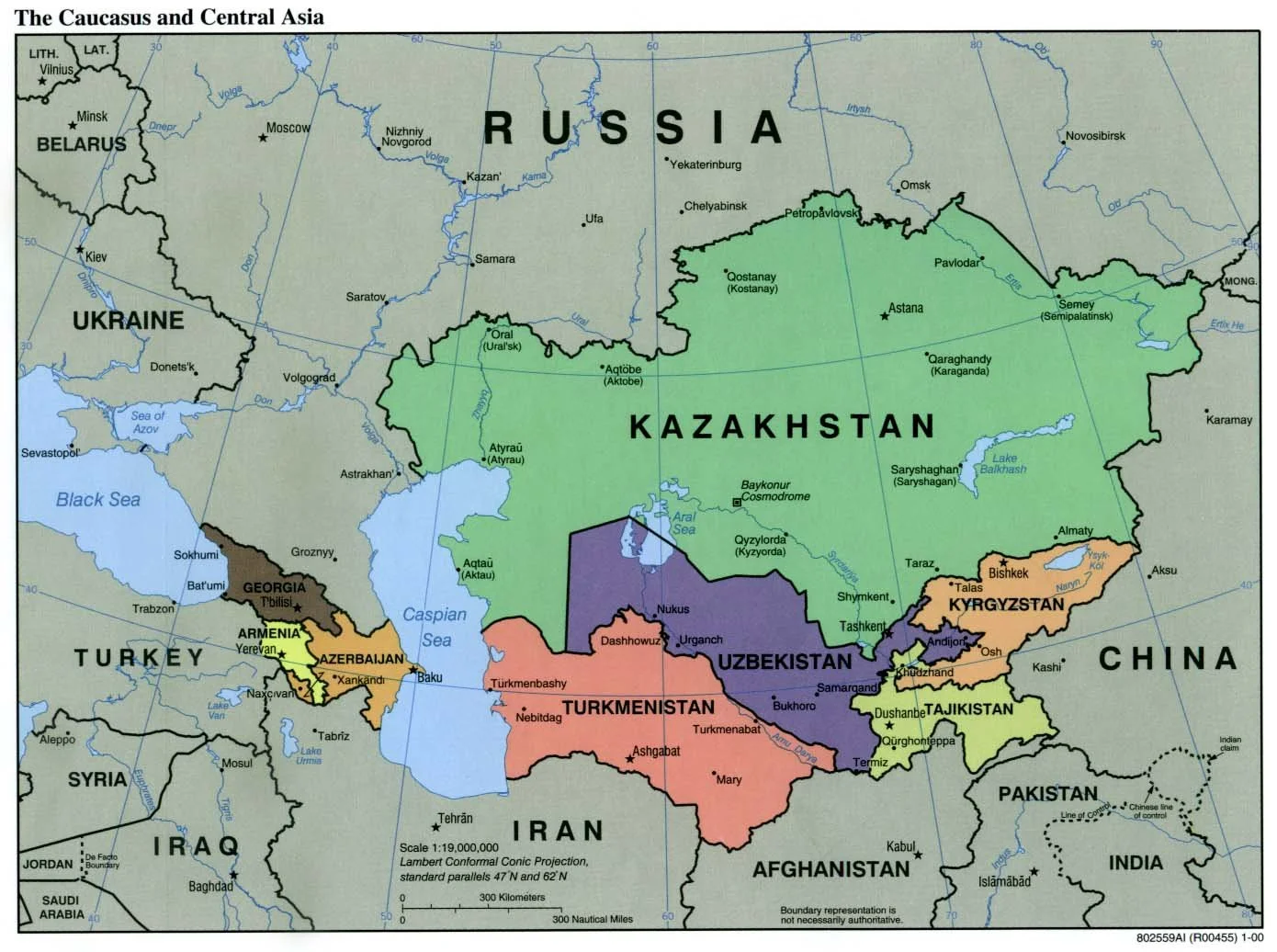
The most consequential shift underway in Central Asia is the normalization of intraregional cooperation. Interactions that were once issue-based have evolved into sustained coordination across politics, economics and infrastructure. Regular consultative summits, closer alignment on transport corridors, trade, energy balancing and cross-border connectivity – alongside reduced bilateral friction – signal a clear break from post-Soviet fragmentation. Uzbekistan and Kazakhstan are the major players in this process, while smaller states engage when necessary to deliver tangible returns.
The South Caucasus has become the main channel for translating this deeper regional cooperation into external access. The Trans-Caspian Middle Corridor – linking Central Asia across the Caspian to Azerbaijan and onward through the South Caucasus and Turkiye to European markets – is no longer a fallback option but a central instrument of diversification in a more volatile environment. By reducing reliance on northern routes, it embeds the region more firmly into diversified trade and transport networks.
Source: Wikipedia
