

Moldova’s Break With Russia Tests Europe’s Unfinished Energy Union
Read the full article here.
In many ways Moldova’s transition is impressive, but it rests on unstable foundations: domestic thermal generators that cover 15 to 20 per cent of peak demand, a large but under-utilised renewable-energy capacity, and imports from Romania and Ukraine.
In 2025 Moldova’s state-owned electricity wholesaler Energocom imported 90 per cent of its contracted supply. These imports are still routed through a single high-voltage line that terminates in Transnistria.
On 31 January 2026, a combination of severe cold weather and knock-on effects of war damage to Ukraine’s energy infrastructure caused that one high-voltage line to lose capacity, triggering load shedding across the network. However, in sharp contrast to earlier incidents, normal service was restored in only hours. This reflected emergency preparations made over the past year, including creating “energy islands” (parts of the grid that could be supplied via lower-voltage connectors with Romania), providing backup generators for critical services, and developing detailed plans to re-route and restore voltage across the network.
Further help is on the way. An alternative high-voltage interconnector is due to be completed in May 2026, with two more expected by the end of 2027 and 2029 respectively. This will provide much-needed redundancy, with total transit capacity equal to almost double Moldova’s peak demand.
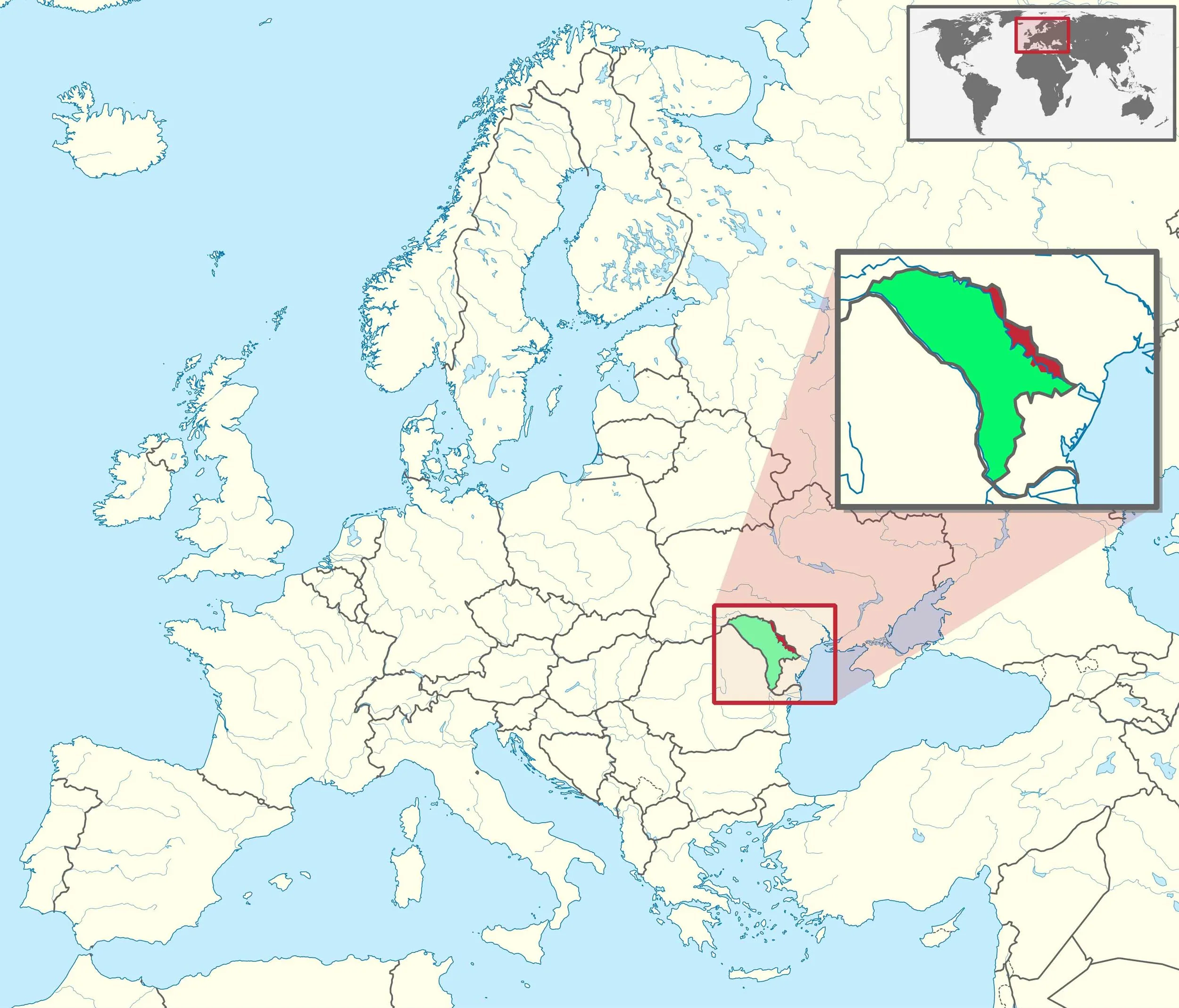
Source: Wikipedia
.svg)