

Read the full article here.
Electrification is having its climate moment, and for good reason.
At the June climate meetings in Bonn, Turkey, the incoming COP31 Presidency called for “raising electricity’s share of global final energy demand from just over 20 percent today to 35 percent by 2035” (otherwise known as the 35x35 electrification target). Soon after, governments—including Brazil (COP30 Presidency), Turkey, and Australia (COP31 Presidencies), Ethiopia (COP32 Presidency), Canada, the European Commission, the Philippines, South Korea, and the United Kingdom—and international institutions like the International Energy Agency (IEA) and International Renewable Energy Agency (IRENA) launched the Electrify Now initiative: a platform to accelerate clean electrification across transport, buildings, industry, and other parts of the economy toward the global electrification target.
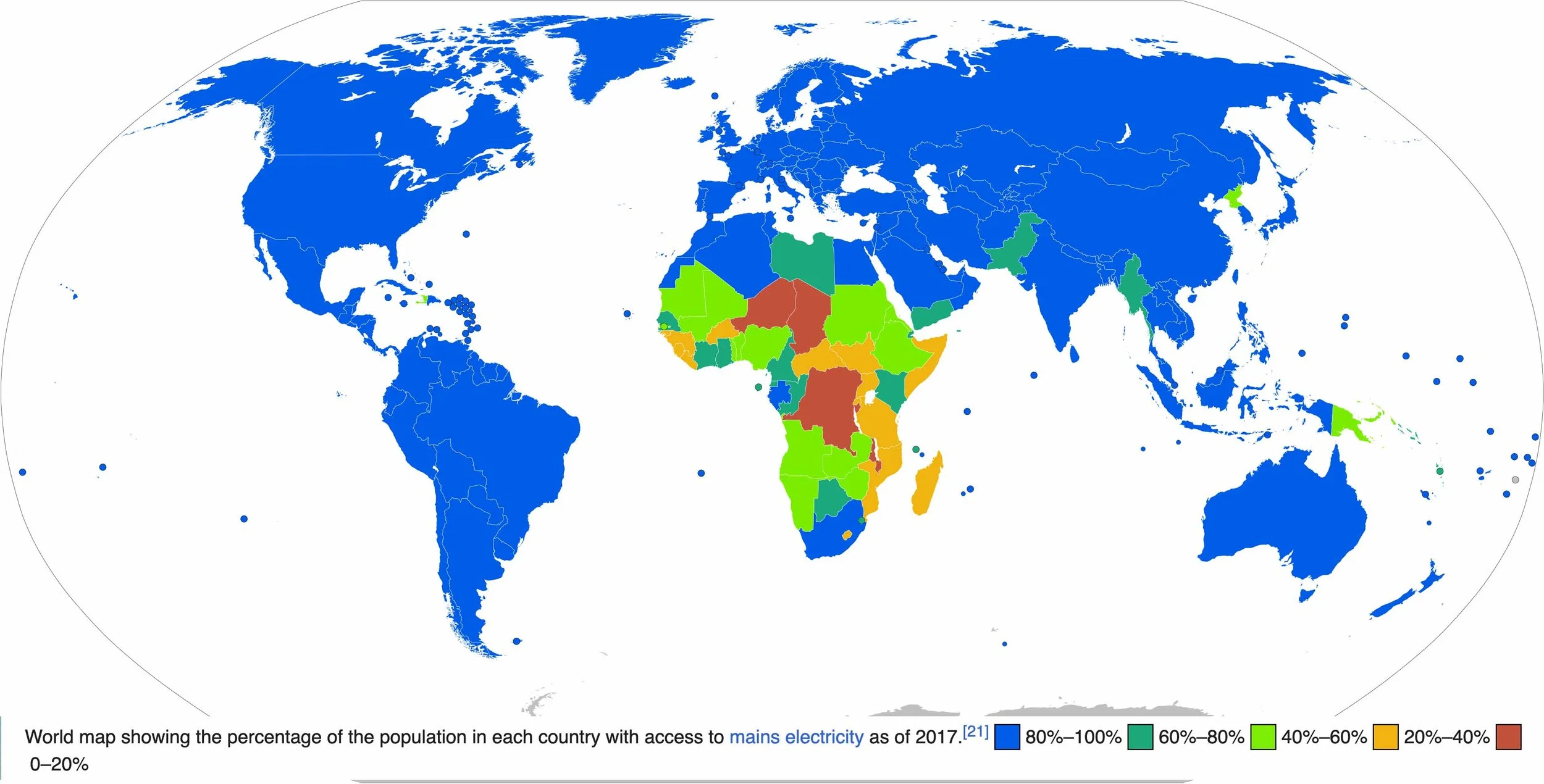
That momentum reflects a deeper urgency. Repeated energy shocks have shown how dependence on volatile fossil fuel markets raises prices, threatens energy security, and leaves households and businesses vulnerable. At the same time, artificial intelligence (AI) and data centers are driving significant new electricity demand while hundreds of millions of people still lack reliable and affordable power.
The 35x35 electrification target is worth pursuing, but how it is delivered will matter as much as the headline number. The world is going electric. The task is to ensure that electrification displaces fossil fuels and delivers cleaner, more affordable, and more reliable energy for everyone.
Together, China and Europe show two different experiences in addressing the electrification challenge: how to build a coordinated electric economy at scale, and how to overcome the price, grid, and policy barriers that still slow the move away from fossil fuels.
Source: Wikipedia