

Ethiopia Today on the Global Climate Stage : Insights from COP30 and G20
Read the full article here.
Over a decade, Ethiopia has grown into an increasingly visible actor in global climate governance. It has embraced determined national climate policies, large-scale environmental programs, and a diplomatic strategy focused on cooperation and climate justice in pursuit of low carbon development (EPA, 2021; WB, 2024). Consequently, the country has emerged as a leading voice for developing countries and especially Africa in both COP30 and G20, where climate issues have featured as a prime part of the negotiation landscape.
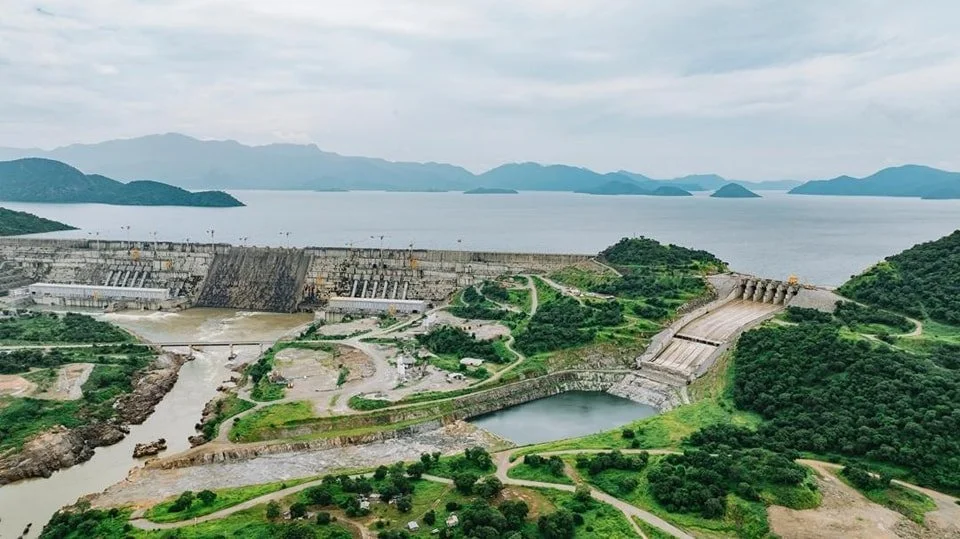
Ethiopia’s Home-Grown Economic Reform Agenda embeds climate considerations into national development planning (FDRE, 2020). The reform places emphasis on the diversification of renewable energy, enhancement of climate-resilient agriculture and advancing green infrastructure. One of the flagship projects developed is the Grand Ethiopian Renaissance Dam (GERD), Africa’s largest hydropower project and a cornerstone of Ethiopia’s green energy transition. The GERD, beyond domestic benefits, enables regional economic integration through energy diplomacy allowing cross-border electricity trade and enhancing regional energy security. Presently, Ethiopia exports electricity to Djibouti, Kenya, Sudan, and Tanzania, while an agreement with South Sudan is in the planning phase, thereby strengthening regional cooperation and low-carbon development. In such a context, Ethiopia promotes renewable energy not only as a solution to climate change, but also as a catalyst for regional cooperation and sustainable economic growth.
Source: Wikipedia
