

Geoeconomic risks cloud Southeast Asia’s energy future
Read the full article here.
For Southeast Asia itself, addressing climate concerns is an existential necessity rather than a luxury, a point that policymakers understand even as they confront trade-offs in their decisions. If the global average temperature rises to 3 degrees Celsius by 2070 without urgent action, it could severely disrupt Southeast Asia’s future prosperity, with damages estimated at about $28 trillion over 50 years. Annual gross domestic product (GDP) growth could decline by an average of 7.5 percent during the same period.
The public in Southeast Asia recognizes the need for action beyond governments. One survey found that fewer than a quarter of respondents believed their government treated climate change as an urgent priority and allocated sufficient resources to address the threat.
Public skepticism persists despite efforts in regional dialogues focused on renewable integration, workforce readiness and cross-border power trade through initiatives such as the ASEAN Power Grid. Significant barriers remain, including outdated grids, regulatory challenges, financing gaps and geopolitical risks. While renewables could create millions of jobs by mid-century, dependence on fossil fuels and investment shortfalls slow the transition to a just and inclusive energy landscape.
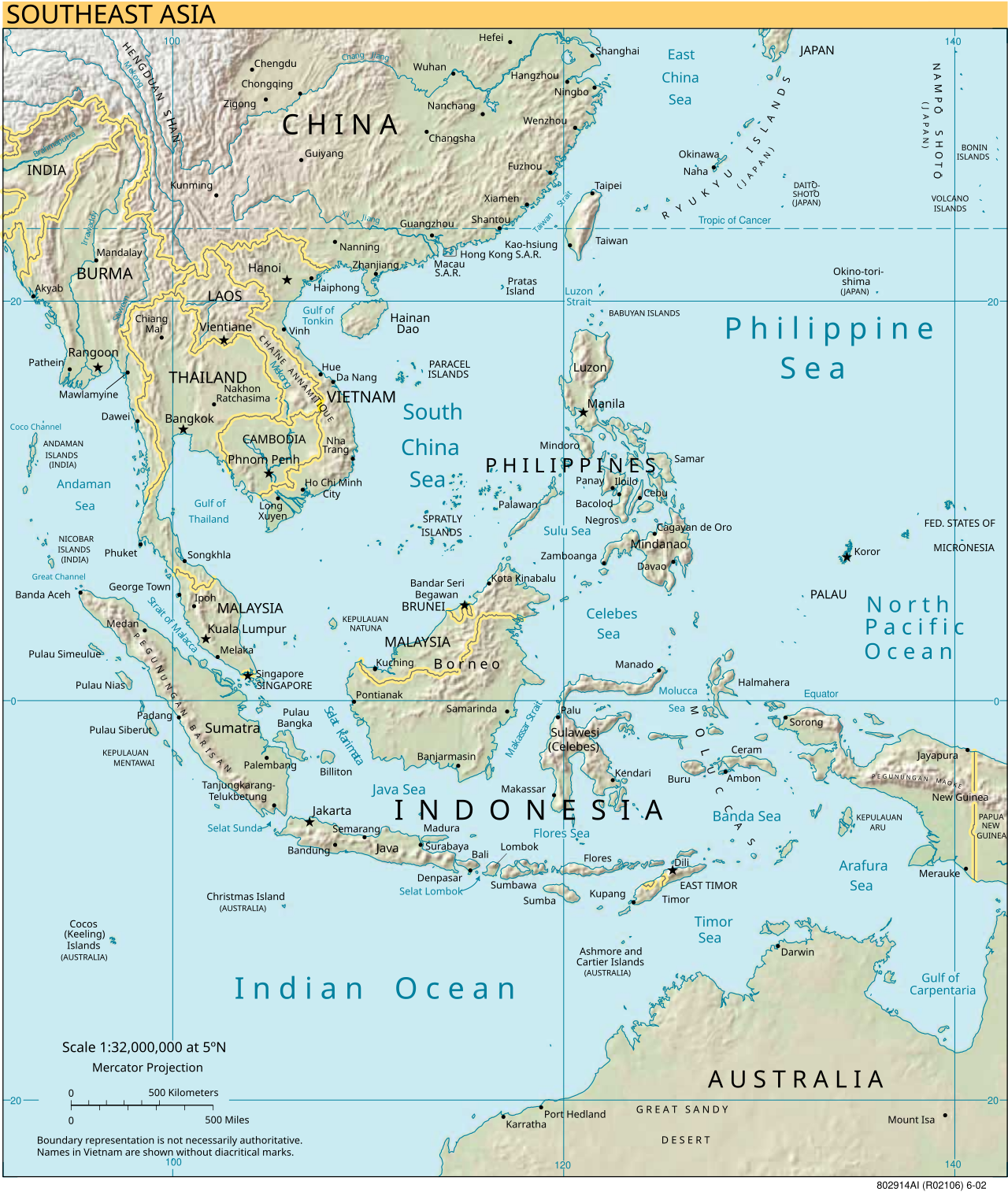
Source: Wikipedia
