Introducing the minerals-energy-food (MEF) complex
Read the full article here.
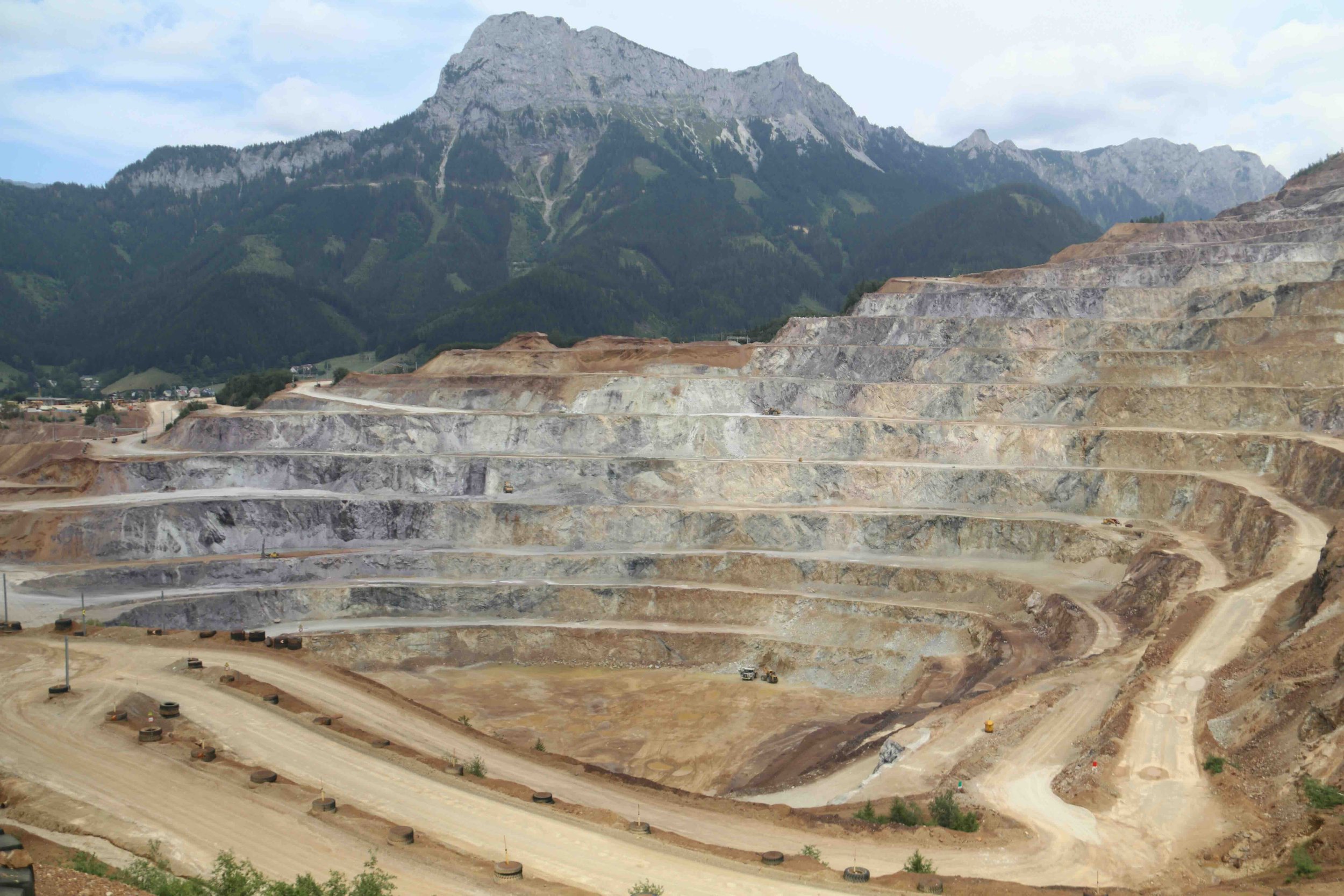
The minerals-energy-food (MEF) complex reveals critical power asymmetries in resource flows. To satisfy increasing demand, extraction predominantly occurs in the resource-rich low-income countries, while benefits from consumption and processing concentrate in wealthy countries and emerging economies. For instance, 60% of cobalt mining occurs in the Democratic Republic of Congo, yet the benefits of the value-chain primarily go to high-income countries and emerging economies. These patterns perpetuate unequal exchange and exacerbate vulnerabilities, and are likely to be exacerbated by intensifying climate impacts and rising geopolitical tensions between major powers like the US and China.
The MEF complex enables more comprehensive analysis of cross-scale dynamics, informing governance approaches that can address both local impacts and global effects. It highlights how current fragmented governance systems, from trade regimes to climate negotiations, operate in silos that fail to address interconnected challenges coherently. Increasingly complex global supply chains transmit risks across borders: climate impacts at extraction sites can cascade through entire economic systems, heightening risks and undermining efforts to tackle climate impacts and pressing social and environmental issues.