

Read the full article here.
As nation-states increasingly use malicious software to target and disable our centralized power system, the macro-realities of global conflict are directly affecting average homeowners. When the public electricity grid becomes an active theater of war, personal vulnerability ceases to be a distant concept discussed at think-tank panels, and it becomes an immediate domestic reality.
For 50 years, the clean energy movement operated under the assumption that it had to win the public’s hearts and minds. But the true catalyst for widespread energy decentralization—largely centered on rooftop solar panels and batteries—is turning out to be global conflict and grid vulnerability. Faced with a world where digital warfare, hostile foreign actors, and domestic political shifts compromise energy security, individuals are taking matters into their own hands.
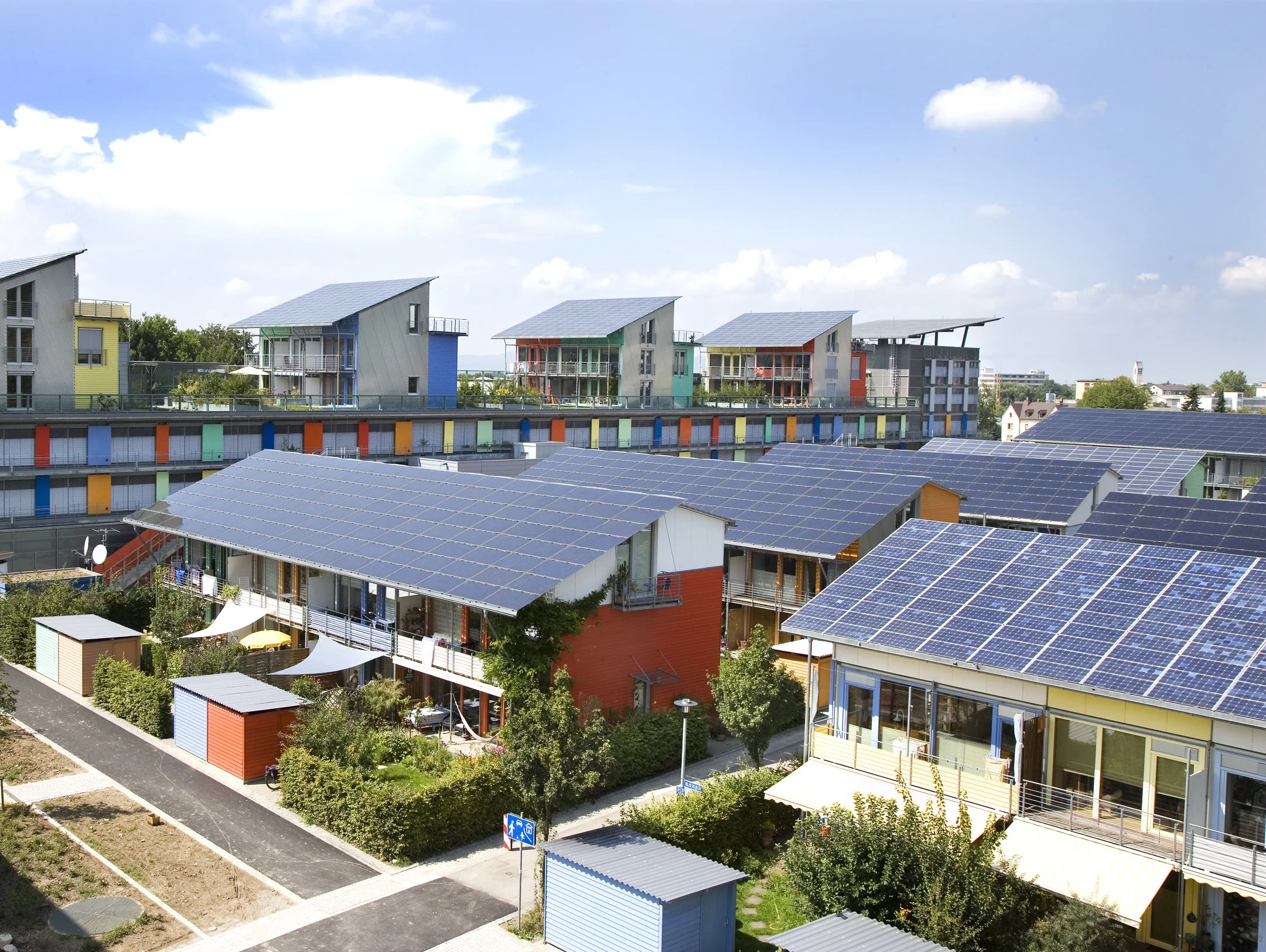
Geopolitical tension and infrastructure warfare have pushed environmentalism squarely into a new realm. Rooftop solar panels and home battery storage have transcended their origins as moral statements or simple cost-saving measures. In an increasingly volatile world, distributed clean energy has become a strategy for self-defense—a way for individuals to claw back certainty and self-determination when external forces threaten their basic stability.
“My premise is that many people don’t care at all about solar-plus-batteries being clean, or aren’t concerned at all about climate change. To them, it’s about having control and taking care of themselves and their families,” Alexis Abramson, dean of the Climate School at Columbia University, told me in an interview.
Source: Wikipedia