

Read the full article here.
South Asia has been one of the least integrated regions in the world for decades . Political struggles have often overridden the economic rationale. Trade is constrained, regional institutions are static and borders remain obstacles rather than bridges. The quiet revolution doesn’t take place on highways or shipping lanes, but through transmission towers that crisscross the Himalayas and Gangetic plains. Electricity is beginning to cross borders more freely than politics.
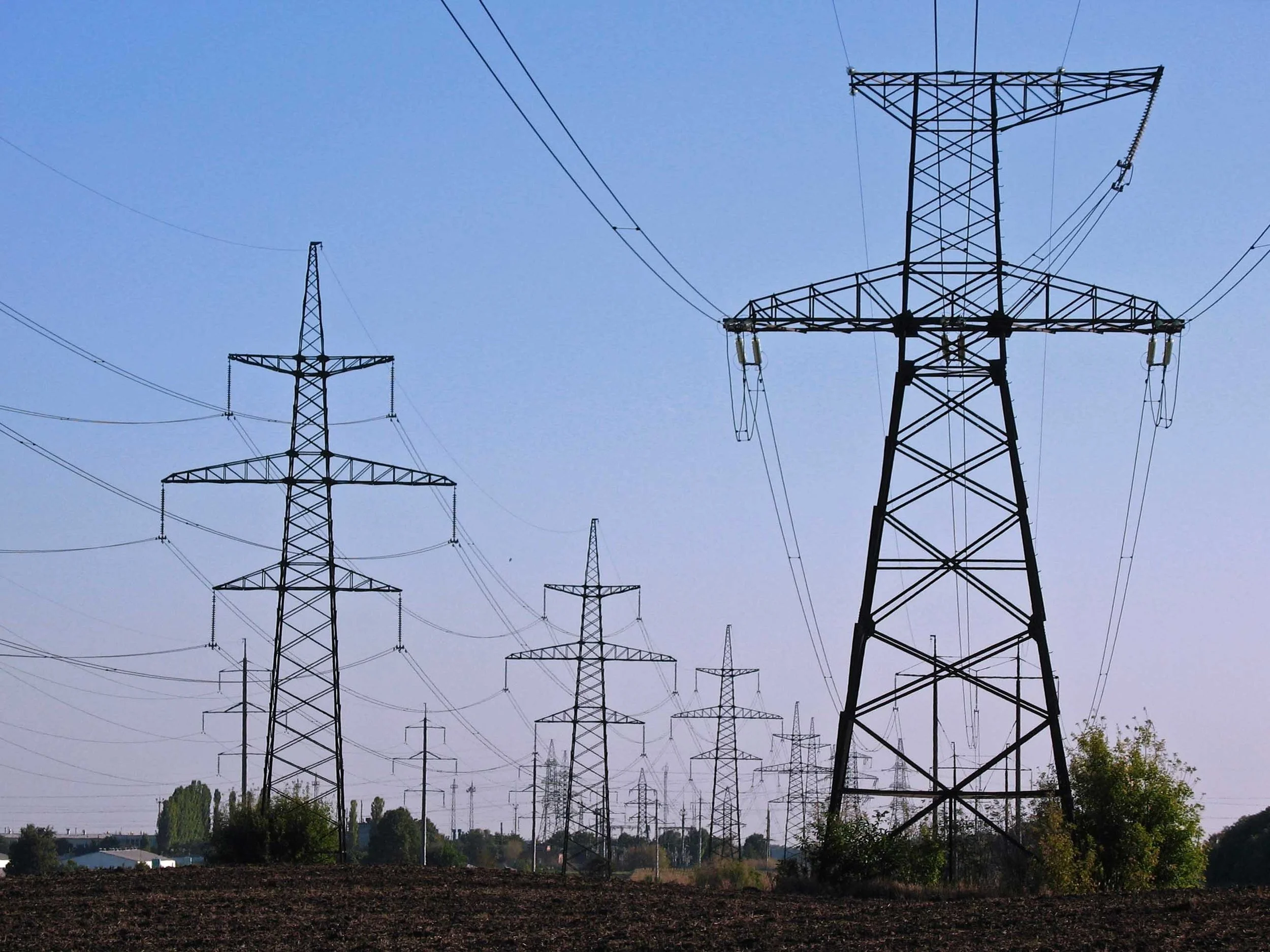
India now imports hydro power from Bhutan, buys surplus power from Nepal, exports power to Bangladesh and is considering further energy cooperation in the BIMSTEC area. New transmission corridors promise to link countries that have previously disagreed on almost everything else. This growing electrical market is not just an energy story. This is geopolitics of a new kind. In the 21st century, power lines may be the new pipelines for influence.
For most of the twentieth century the dominant theme of energy geopolitics was scarcity. Countries were fighting over oil reserves, shipping lanes and pipelines. Renewable energy changes the equation. Sunlight can’t be monopolised. Rivers cross borders. Electricity does not travel in tankers but in transmission networks. The strategic advantage is now more about the control of connectivity than fuel. The countries capable of integrating regional power markets will be more resilient, cheaper and geopolitically impactful. India appears to grasp this transition. Its investment in cross-border transmission facilities are no longer limited to electricity exports. They think about the stability of exports.
Source: Wikipedia