Access the full report here.
In summer 2024, Southeast Europe experienced a sustained period of electricity price spikes. In response, the European Commission requested ACER to assess the feasibility of measures that could help prevent or mitigate similar episodes across the region in the future.
Today, ACER publishes its report to the Energy Union Task Force, setting out recommendations to increase cross-zonal capacity and system flexibility across Southeast Europe.
The 2024 price spikes in Southeast Europe were driven primarily by a lack of flexible resources to quickly replace solar generation in the evening hours, during periods of high demand.
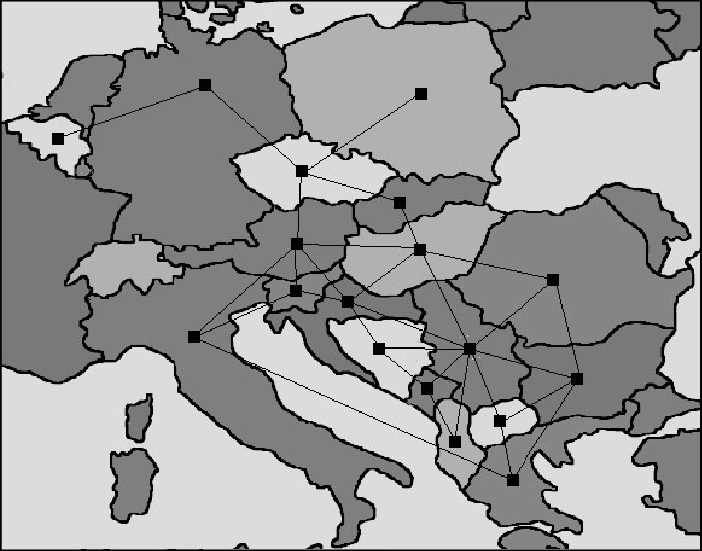
Limited cross-border capacity, including due to planned network maintenance, constrained the region’s ability to import lower-priced electricity from the rest of the EU, reducing the extent to which market integration could mitigate higher prices.
ACER found that a more efficient use of the available network capacity between Southeast Europe and the rest of the EU could have helped further ease the regional system stress in 2024.
While increasing interconnection capacity would have lowered prices, unlocking system flexibility in the region is also key, given its current generation mix and market structure. Greater participation of demand response, storage and other flexible generation assets can play an important role in enabling the system to respond to sharp changes in demand and supply.